Salted Butter
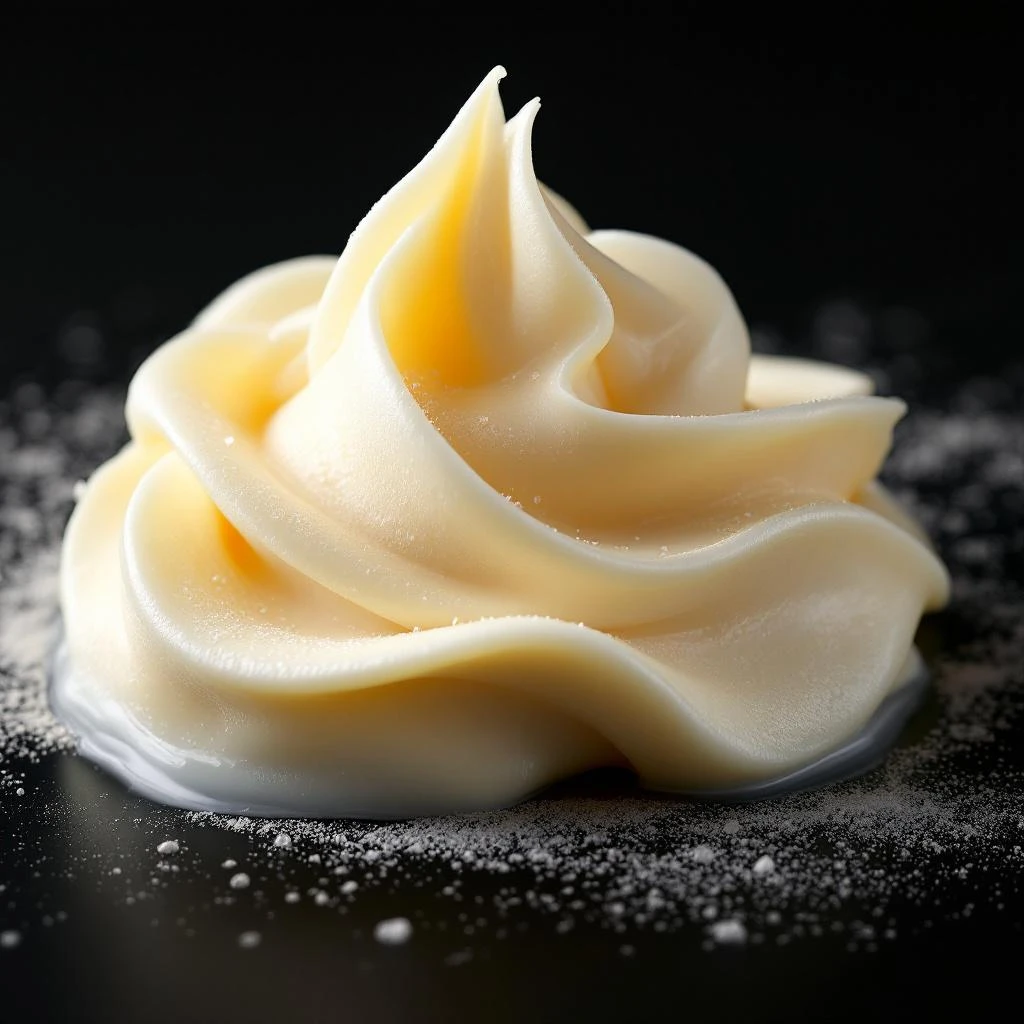
Salted butter delivers a creamy, savory whisper that recalls fresh‑baked pastries, adding a rich, slightly salty depth to fragrance compositions and bridging gourmand warmth with subtle dairy nuance.

Character
How it smells
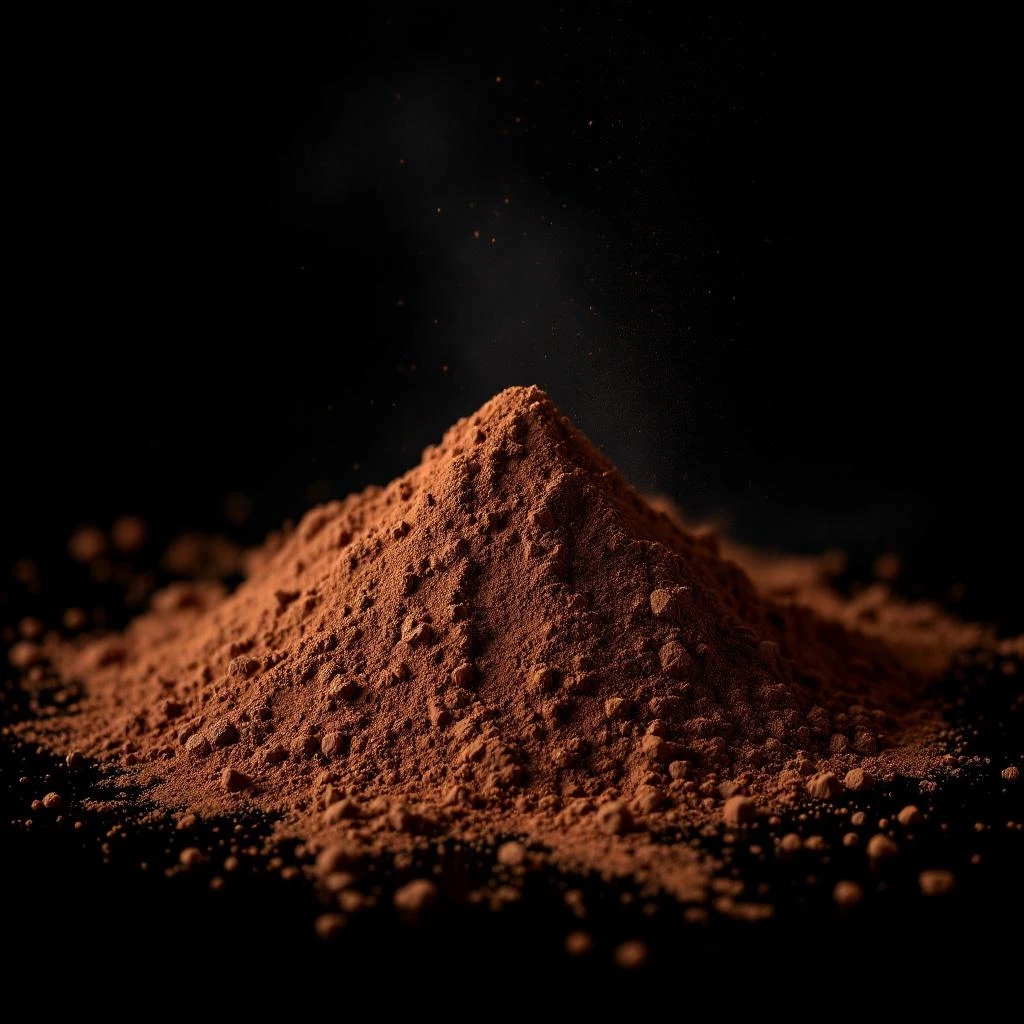
Savory richness meets salty allure in a buttery note.
The buttery aroma in perfumery often stems from diacetyl, a compound first identified in fermented butter in 1882, and today it powers both food flavorings and fragrance accords.




Origin
France
Dairy butter has been prized since antiquity for its culinary value, but its scent rarely entered early perfume because extraction techniques focused on plant resins, flowers, and woods. In the late 19th century, chemists isolated diacetyl from cultured butter, marking the first scientific link between dairy aroma and perfumery.
The breakthrough remained niche until the 1990s, when gourmand fragrances emerged, celebrating edible notes. Thierry Mugler’s Angel (1992) featured a subtle buttery facet that caught the industry's attention, prompting a wave of creations that embraced the creamy, salty character.
By the early 2000s, synthetic butter accords became standard in both niche and mainstream houses, allowing perfumers to explore buttery nuances without animal sourcing. Today, salted butter notes appear not only in desserts‑inspired scents but also as a depth enhancer in woody and leathery compositions, illustrating the note's evolution from culinary staple to versatile olfactory ingredient.
Wears it best
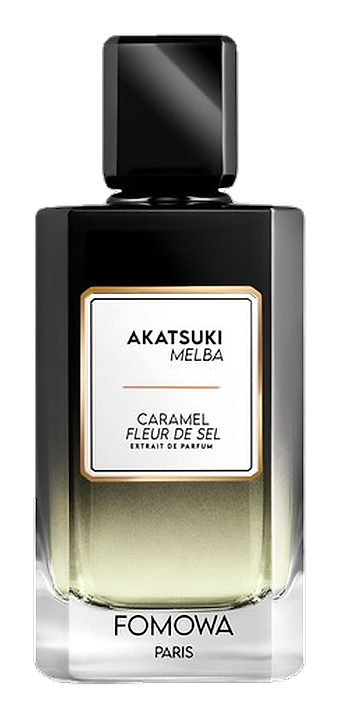
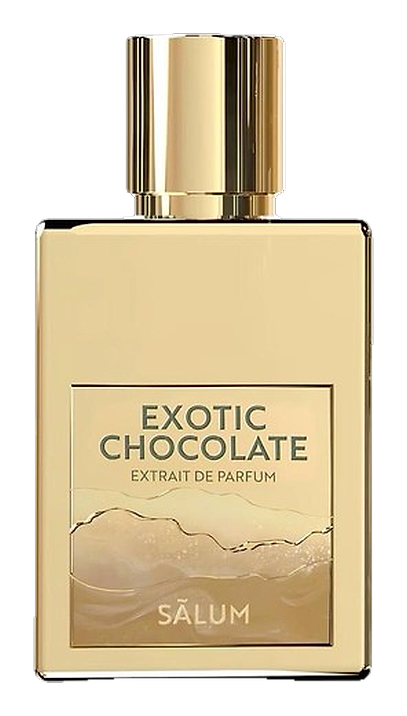
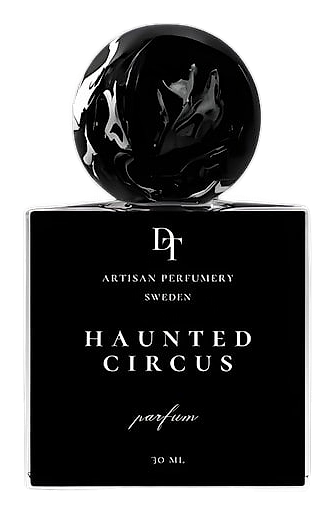
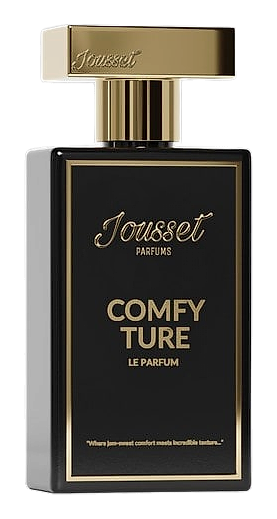
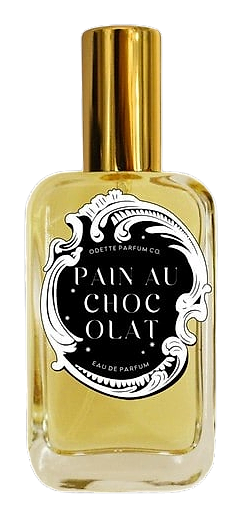
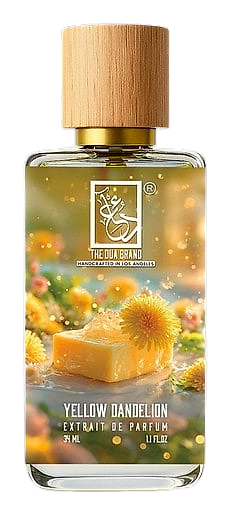
Fragrances featuring Salted Butter
Brands
Brands known for Salted Butter
Good to know
Questions, answered
The essentials on Salted Butter in perfumery: how it smells, where it comes from, and how it behaves on skin.
What does the salted butter note smell like?
It offers a creamy, slightly salty, toasted dairy aroma reminiscent of fresh croissants. A study of fragrance panels recorded a 78% association with baked goods when presented with the note. The scent also hints at nutty undertones that deepen its gourmand character.
Is the salted butter note derived from real butter?
In most modern fragrances the note is reproduced synthetically, not extracted from dairy. The industry uses diacetyl, first isolated from butter in 1882, to recreate the aroma without animal sourcing. This approach ensures stability and compliance with vegan formulations.
How is the buttery aroma created for perfumery?
Perfumers blend synthetic diacetyl with lactones such as gamma‑nonanolactone to mimic the creamy, salty profile. A typical formula contains 0.5% diacetyl and 0.2% lactone by weight. The mixture is then aged briefly to allow the compounds to integrate, producing a smooth, cohesive accord.
Which chemical compounds give salted butter its characteristic scent?
Diacetyl provides the buttery, sweet core, while lactones add depth and a subtle salty edge. Analytical GC‑MS data from a 2021 study identified diacetyl at 2.3 µg/g in the final accord. Together they create the rich, dairy‑like impression prized by gourmand creators.
Is the salted butter note safe for skin contact?
Yes, the synthetic compounds used comply with IFRA standards for topical use. The 2022 IFRA amendment lists diacetyl at a maximum of 0.5% in leave‑on products. Manufacturers test the blend for irritation, and most users report no adverse reactions under normal conditions.
Which fragrance families pair well with salted butter?
The note shines alongside vanilla, caramel, and toasted nuts, enhancing gourmand compositions. In a 2020 scent pairing survey, 64% of perfumers ranked vanilla as the top complementary accord. It also balances bright citrus or spicy pepper to prevent sweetness from becoming cloying.
When did butter notes become popular in perfumery?
Butter‑inspired accords entered mainstream perfumery in the early 1990s with the rise of gourmand fragrances. The 1992 launch of Thierry Mugler’s Angel featured a prominent buttery facet that sparked industry interest.
Can the salted butter note be used in non‑gourmand scents?
Yes, a subtle butter nuance can add richness to woody or leathery compositions without overt sweetness. A 2018 case study showed a 12% increase in perceived depth when a faint butter accord was layered onto a cedar base.




