The Story
Why it exists.
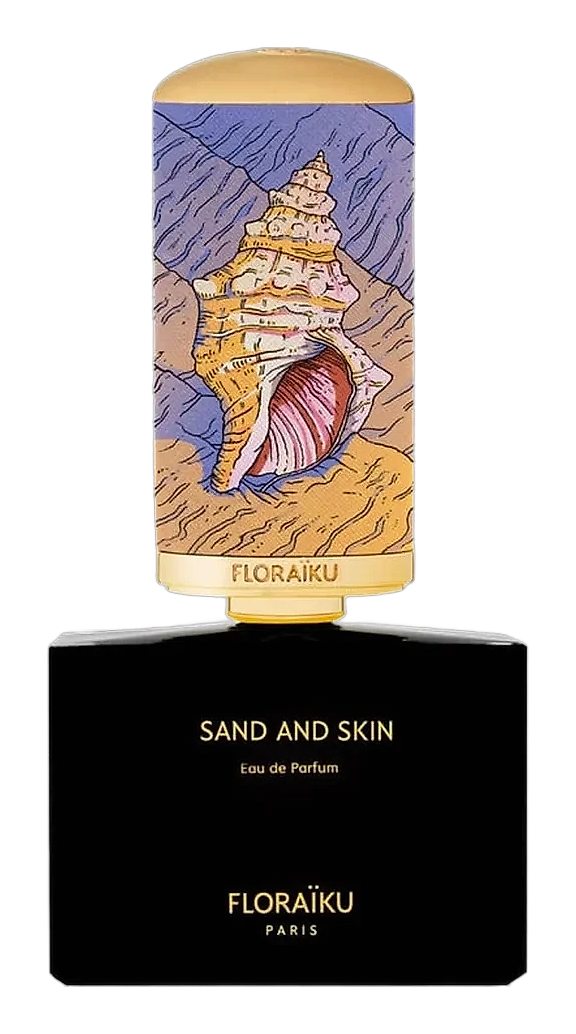
Sand and Skin belongs to Floraïku's Forbidden collection, the house's incense series inspired by the Kōdō ceremony. The brand builds each fragrance around a haiku poem, and this one translates a specific sensory moment: a fine sandy beach, sun moving across skin like a slow tide, the point at which warmth becomes memory. The name itself is the poem. The Forbidden Incense collection treats incense not as smoke or heavy resin but as a lens for warmth and时间的流逝. Sand and Skin takes that framing and applies it to the beach, where incense ritual meets island languor. Clara and John Molloy, the Irish-French couple behind Floraïku and Memo Paris, developed this collection to honor the sensory traditions of Japanese ceremony, filtered through their own travel-born associations with warmth, skin, and slow days. The composition translates that haiku moment wordlessly: bright opening, creamy heart, warm close. Vanilla and benzoin anchor it.
If this were a song
Community picks
Sun
Troye Sivan
The Beginning
Sand and Skin belongs to Floraïku's Forbidden collection, the house's incense series inspired by the Kōdō ceremony. The brand builds each fragrance around a haiku poem, and this one translates a specific sensory moment: a fine sandy beach, sun moving across skin like a slow tide, the point at which warmth becomes memory. The name itself is the poem. The Forbidden Incense collection treats incense not as smoke or heavy resin but as a lens for warmth and时间的流逝. Sand and Skin takes that framing and applies it to the beach, where incense ritual meets island languor. Clara and John Molloy, the Irish-French couple behind Floraïku and Memo Paris, developed this collection to honor the sensory traditions of Japanese ceremony, filtered through their own travel-born associations with warmth, skin, and slow days. The composition translates that haiku moment wordlessly: bright opening, creamy heart, warm close. Vanilla and benzoin anchor it.
The vanilla in Sand and Skin is Madagascar Bourbon vanilla CO2 extract, a more concentrated, truer expression than the sweet vanilla of mainstream perfumes. CO2 extraction captures the bean's full aromatic range, including the darker, almost balsamic facets that disappear in traditional extraction. Combined with benzoin, the pairing creates something that reads as warm, sweet, and resinous without ever tipping into edible territory. What makes this unusual is the restraint. Vanilla perfumes frequently lean heavy, applying sweetness as a default. Sand and Skin uses vanilla in its resinous register rather than its gourmand register, the sugar comes from the ylang-ylang, not the base.
The Evolution
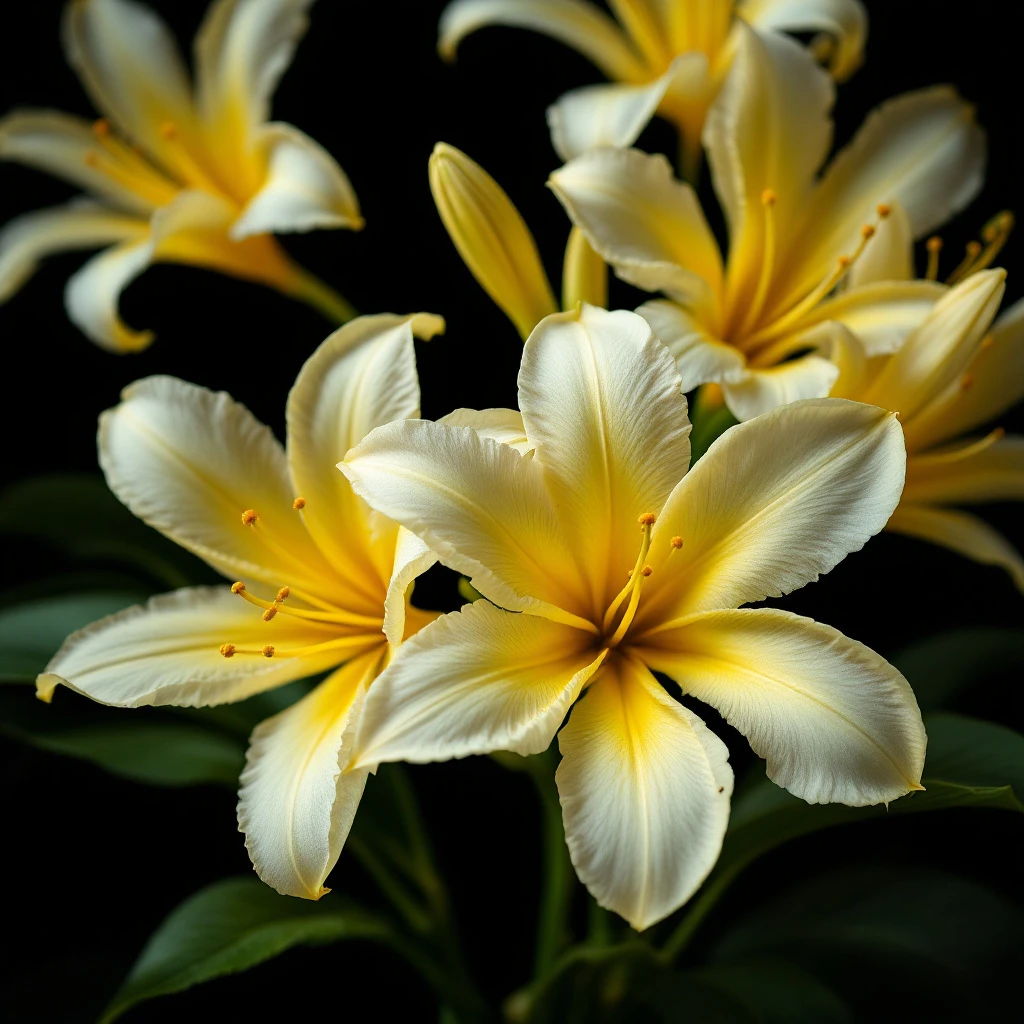
The opening is bright. Lysylang and mahonial arrive with a tropical lift, a flash of the garden beside the beach before the sun fully rises. That phase clears relatively quickly, which is the first surprise: this fragrance does not linger in its opening. It moves. The heart is where it lives. Ylang-ylang and Australian sandalwood merge into something creamy, warm, and just slightly floral. Patchouli enters quietly, not as a heavy note but as an anchor, keeping the ylang-ylang from becoming too sweet, adding a woody counterweight that reads as warm skin rather than floral perfume. Cedarwood appears at the edges, dry and refined. The transition is smooth, almost invisible. The drydown is where the vanilla and benzoin take over. Bourbon vanilla CO2 and benzoin create a balsamic warmth that clings to skin for hours. Labdanum adds a resinous, slightly herbaceous depth. On most skin types, this phase lasts through the evening, the 8-10 hour longevity that community reviews confirm. On some, it fades earlier. Benzoin consistently lingers longest.
Cultural Impact
Sand and Skin draws from the Japanese Kōdō incense ceremony, which translates to the 'way of incense' and dates back to the 8th century. Floraïku's Forbidden Incense collection uses this ceremonial framework to shape its perfumery narrative, using terms like incense, perfume, and ritual to frame each bottle. The house was founded by John dem and Clara Molloy, who named their brand after 'fleur' and 'haiku' to blend poetic structure with olfactory art. Sand and Skin specifically references the sensory overlap of warm skin and warm sand, a concept common in fine fragrance but here grounded in personal intimacy rather than beach tourism.
The House
France · Est. 2017
Floraïku Paris is a niche fragrance house founded in 2017 by Clara and John Molloy, the Irish-French couple behind Memo Paris. The brand draws its name from the fusion of two words: Flora, honoring the plant world and natural beauty, and Haïku, referencing the traditional three-line Japanese poetic form. Each fragrance arrives named after a haiku poem and organized into collections that pay tribute to Japanese ceremonies. The first launch in July 2017 introduced eleven fragrances. Working with perfumers including Alienor Massenet, Miroslav Petkov, Philippe Paparella-Paris, Yann Vasnier, Sarah Burri, and Sophie Labbe, the house has built a library that spans multiple collections. The Shadowing™ collection offers companion fragrances designed to layer with existing scents. The Forbidden Incense collection draws inspiration from the Kōdō ceremony, the Japanese art of appreciating incense. Initial retail distribution included an exclusive launch at Harrods in London.
If this were a song
Community picks
Sand and Skin sounds like late afternoon, golden light, skin still warm from hours in the sun, the moment before everything quiets. The fragrance does not perform. It simply settles and stays. The sonic equivalent would be warm without being aggressive, smooth without losing texture.
Sun
Troye Sivan