The Story
Why it exists.
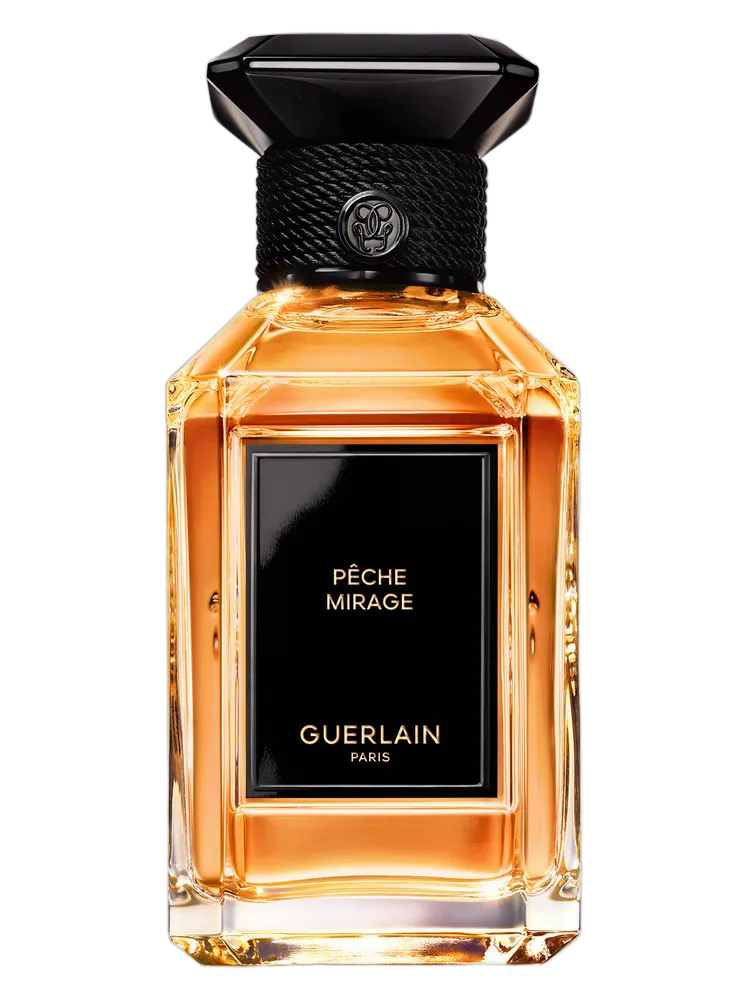
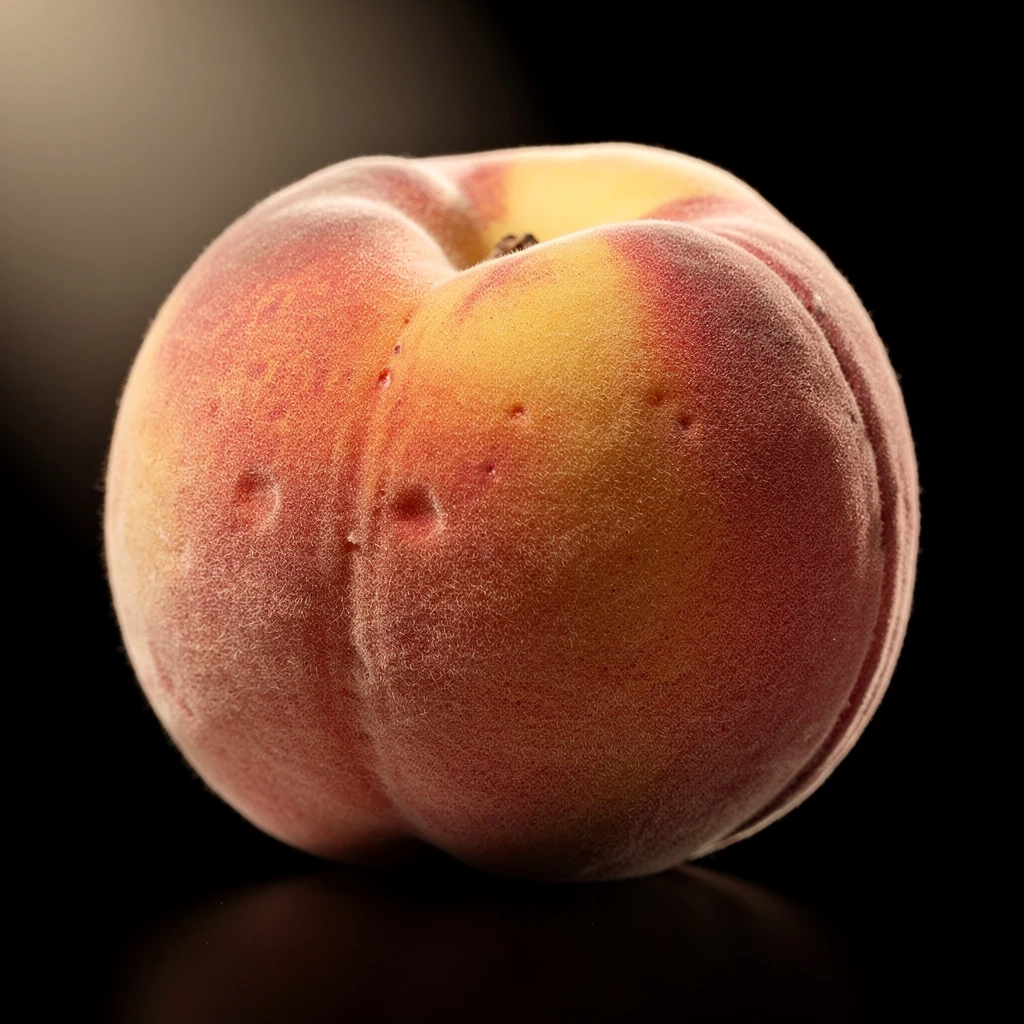
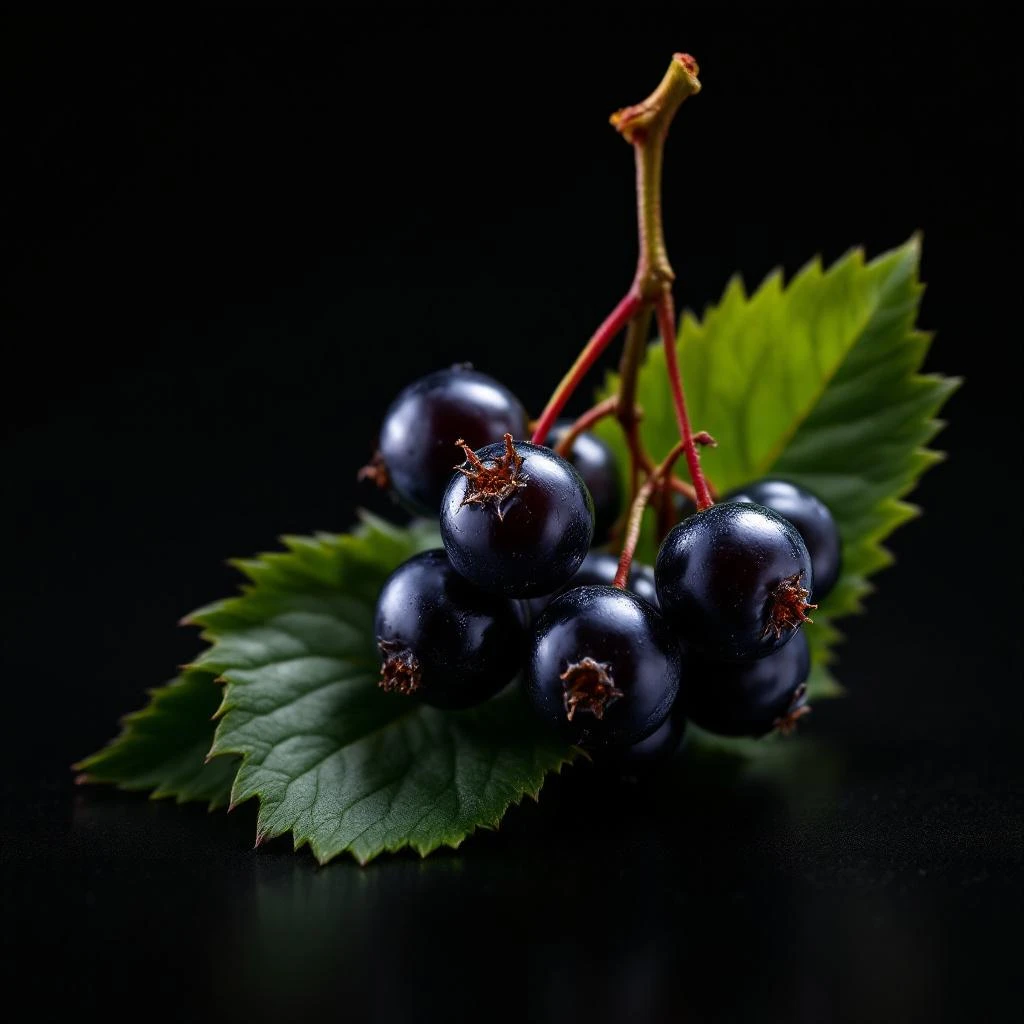
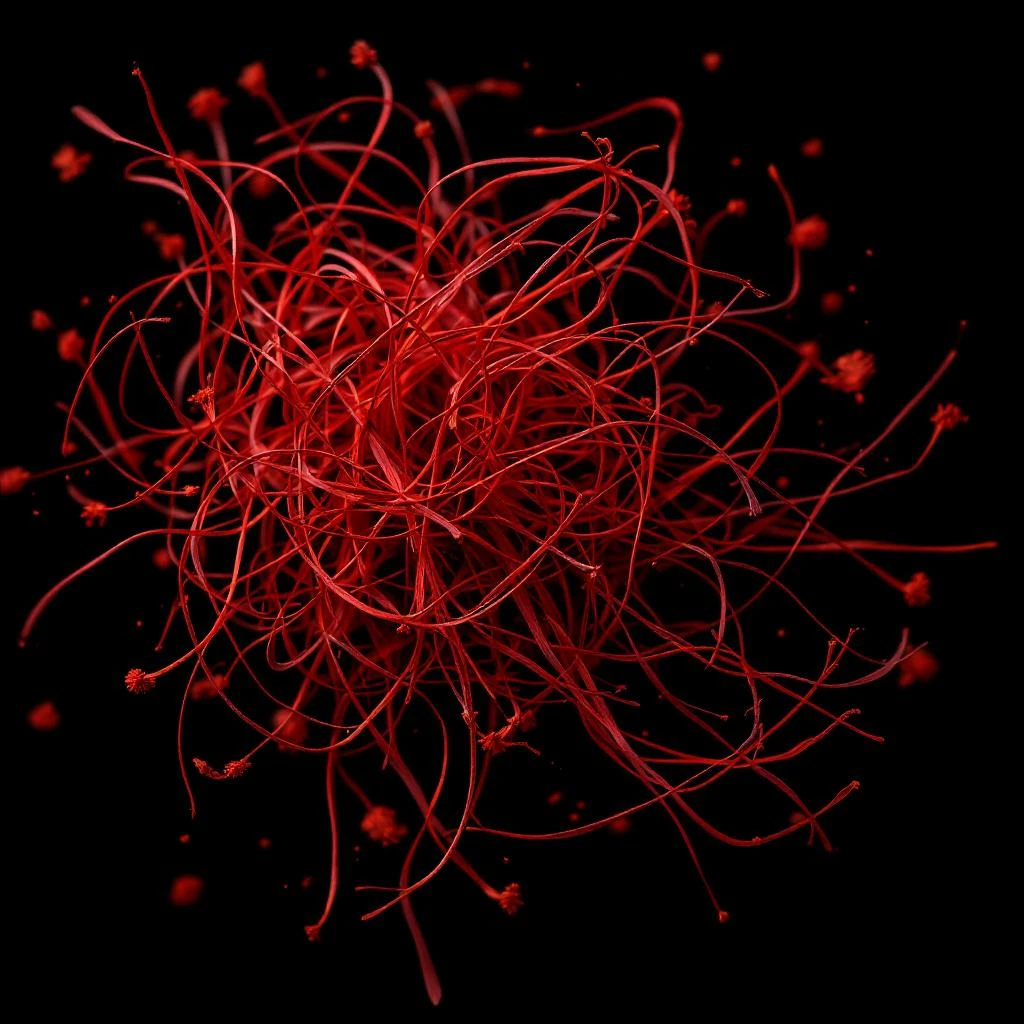
Pêche Mirage arrived in 2025, created by Guerlain perfumer Delphine Jelk. It continues a conversation the house has been having since 1919, when Jacques Guerlain first captured peach in Mitsouko using synthetic molecules to reproduce the impossible sensation of a fruit that isn't quite ripe, sweet, fleeting, not quite there. Jelk didn't want a literal peach. She wanted the mirage. The way a fruit can feel present one moment and strange the next, shimmering at the edge of perception. The opening deploys saffron and blackcurrant to make the peach feel unstable, a halo of effect rather than a clean note. Blackcurrant adds darkness. Saffron adds heat. Together they create the crack where reality shifts. Then leather anchors everything. Guerlain's leather heritage runs through the house like a seam. Here, it gives the sweetness room to evolve without ever becoming simple.
If this were a song
Community picks
No Ordinary Love
Sade
The Beginning
Pêche Mirage arrived in 2025, created by Guerlain perfumer Delphine Jelk. It continues a conversation the house has been having since 1919, when Jacques Guerlain first captured peach in Mitsouko using synthetic molecules to reproduce the impossible sensation of a fruit that isn't quite ripe, sweet, fleeting, not quite there. Jelk didn't want a literal peach. She wanted the mirage. The way a fruit can feel present one moment and strange the next, shimmering at the edge of perception. The opening deploys saffron and blackcurrant to make the peach feel unstable, a halo of effect rather than a clean note. Blackcurrant adds darkness. Saffron adds heat. Together they create the crack where reality shifts. Then leather anchors everything. Guerlain's leather heritage runs through the house like a seam. Here, it gives the sweetness room to evolve without ever becoming simple.
Osmanthus is the most interesting choice in Pêche Mirage, and the reason the fragrance earns its name. Osmanthus is a small flower that blooms in autumn, carrying a scent that defies easy categorization: apricot blossom, leather, a warm almost-tea quality. It's sweet and animalic simultaneously, which makes it difficult to place in a pyramid. Many perfumers treat it as a supporting character. In Pêche Mirage, Jelk lets it carry the heart entire. The effect is a peach that doesn't stay on the surface. The fruit arrives first, bright, almost too luminous, but as the fragrance breathes, osmanthus takes over. The sweetness deepens, takes on body, becomes something more substantial than gourmand.
The Evolution
The opening doesn't wait. Saffron and blackcurrant hit the skin first, the saffron is immediate, sharp, almost medicinal before the peach arrives. When it does, it doesn't arrive quietly. The peach is bright, almost aggressively present, that mirage quality: present but not quite solid. Blackcurrant adds a dark, tart edge that keeps the sweetness from floating away. For about thirty minutes, the top is a negotiation, saffron's metallic brightness against fruit that keeps insisting on its own reality. It's odd. It's compelling. Then osmanthus takes over. The shift isn't dramatic, more like a door closing softly. The peach doesn't disappear, but it changes register, becomes less effervescent, more interior. The apricot-blossom and tea facets of osmanthus take over, and with them comes a warmth that isn't just sweetness. It's the body heat of something real. The leather arrives as osmanthus fades, wrapping around what remains. It doesn't storm the stage. It settles in, warm and close, supported by sandalwood and amber.
Cultural Impact
Guerlain isn't about being noticed. Pêche Mirage doesn't chase trends, it threads sweetness and leather through osmanthus with real sophistication. This is what happens when a heritage house goes back to its own archive rather than chasing what's popular. Peach and leather is a known combination. But the osmanthus heart makes Pêche Mirage something less obvious.
The House
France · Est. 1828
Guerlain stands as one of the oldest and most revered perfume houses in the world, founded in Paris in 1828 by Pierre-François-Pascal Guerlain. What began as a boutique on rue de Rivoli quickly became the preferred destination for Parisian society, attracting dandies and elegant women who sought custom-crafted fragrances. The house's influence grew to such heights that Guerlain earned the title of Official Perfumer to Napoleon III after presenting Eau de Cologne Impériale to Empress Eugénie as a wedding gift in 1853. This royal patronage marked the beginning of Guerlain's enduring association with European aristocracy, as the house went on to create fragrances for Queen Victoria and Queen Isabella II of Spain. Today, under the creative direction of Thierry Wasser, the fifth-generation perfumer, Guerlain continues to shape the landscape of fine fragrance with a portfolio spanning over 1,100 olfactory creations. The house remains headquartered at its legendary Champs-Élysées mansion, a historic monument that anchors Guerlain's position at the intersection of heritage and contemporary luxury.
If this were a song
Community picks
Music that feels tender without being soft. Peach and leather in conversation, osmanthus as the quiet mediator. The mood is slightly melancholic, intimate, like the moment before something is said. Think Sade, Morricone, something that captures that Guerlain register of timeless elegance without trying.
No Ordinary Love
Sade