
The Story
Why it exists.
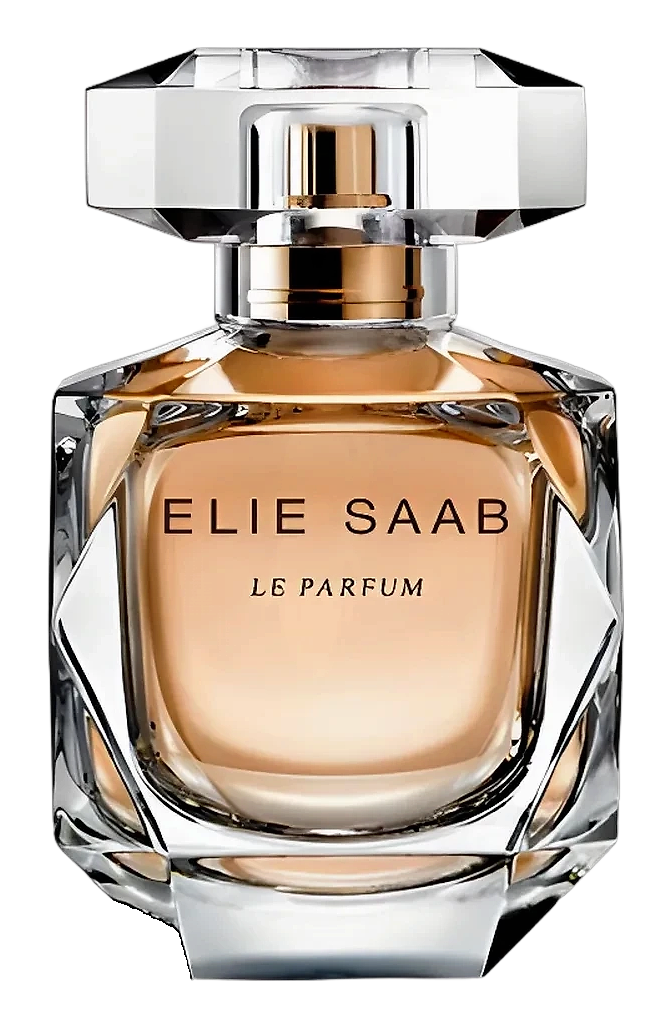
Elie Saab built its name in Beirut starting in 1982, earning recognition as a haute couture house known for intricate, flowing gowns that captured light in extraordinary ways. The fashion house eventually turned its attention to fragrance, bringing in Francis Kurkdjian as perfumer to translate the aesthetic of the atelier into scent. After creating two hundred and seventy-nine versions, one was selected. Ultra-feminine. Flowery-woody. Unmistakable.
If this were a song
Community picks
Golden Brown
The Stranglers
The Beginning
Elie Saab built its name in Beirut starting in 1982, earning recognition as a haute couture house known for intricate, flowing gowns that captured light in extraordinary ways. The fashion house eventually turned its attention to fragrance, bringing in Francis Kurkdjian as perfumer to translate the aesthetic of the atelier into scent. After creating two hundred and seventy-nine versions, one was selected. Ultra-feminine. Flowery-woody. Unmistakable.
The architecture looks simple on paper: orange blossom opening, jasmine heart, cedar and patchouli base. But simplicity is the hardest thing to hold together. Kurkdjian used jasmine sambac alongside grandiflorum, the jasmine used in fine perfumery for centuries. Together they form a heart that smells like warmth with depth, not sweetness without purpose. The rose honey accord in the base doesn't sweeten the fragrance, it grounds it. Cedar and patchouli create a foundation that holds the florals without overpowering them, offering a quiet resinous quality that evolves as the top notes soften.
The Evolution
The orange blossom opens fast, not bright in the sharp way, but bright in the way sunlight fills a room before anyone notices who is there. Two hours in, jasmine does what jasmine does: it thickens the air without heavyining it. This is where most florals plateau. Le Parfum does not. Patchouli arrives quietly, cedar more so, and suddenly the drydown is not a fade, it is a shift. The honey accord rises instead of dissipating. Eight hours later, on fabric, the cedar is still holding. The orange blossom ghost remains. On skin, longevity is substantial, lasting through a full day of wear. The sillage is noticeable without being intrusive, present enough to leave an impression without announcing itself.
Cultural Impact
Le Parfum earned industry recognition from launch, winning the Fragrance Foundation's FiFi Award in two regions simultaneously, a rare achievement for a debut. The fashion house entry into fragrance brought a distinct point of view to the market, with Kurkdjian creating a scent that balanced richness with wearability. The result was a fragrance that felt both luxurious and approachable, establishing the house's presence in the beauty sector with a signature that resonated beyond its initial audience.
The House
Lebanon · Est. 1982
Elie Saab translates the Lebanese designer's reputation for couture into a fragrance portfolio that balances opulent floral structures with modern sensibility. Since the launch of Le Parfum in 2011, the house has expanded into a curated collection of Eau de Parfums, each anchored by a distinct note palette and presented in sculptural glass. The line appeals to collectors who value a narrative that links scent to the brand’s celebrated aesthetic of refined elegance.
If this were a song
Community picks
The scent moves like late afternoon, honeyed light, jasmine heat, cedar shade. White florals with a woody spine. Play something that doesn't apologize for being beautiful. Piano over synth. Strings over brass. The kind of music that knows it will be remembered.
Golden Brown
The Stranglers