
The Story
Why it exists.
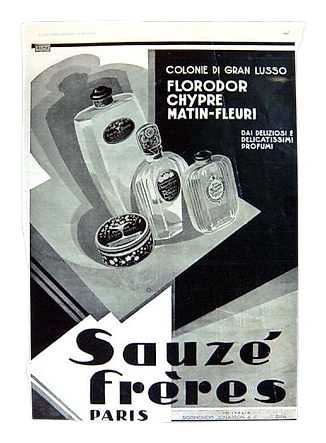
Matin Fleuri emerged from Sauzé’s 1920 catalogue, a time when the Parisian house was cementing its reputation for structured, timeless scents. Inspired by the fresh light of a French morning, the perfume was crafted to capture the crispness of early‑day air, blending aromatic herbs with a bright aldehydic shimmer. Its name, “Matin Fleuri,” literally translates to “flowered morning,” echoing the house’s devotion to floral bouquets while hinting at a subtle earthiness that would later define its base.
If this were a song
Community picks
Clair de Lune
Claude Debussy
The Beginning
Matin Fleuri emerged from Sauzé’s 1920 catalogue, a time when the Parisian house was cementing its reputation for structured, timeless scents. Inspired by the fresh light of a French morning, the perfume was crafted to capture the crispness of early‑day air, blending aromatic herbs with a bright aldehydic shimmer. Its name, “Matin Fleuri,” literally translates to “flowered morning,” echoing the house’s devotion to floral bouquets while hinting at a subtle earthiness that would later define its base.
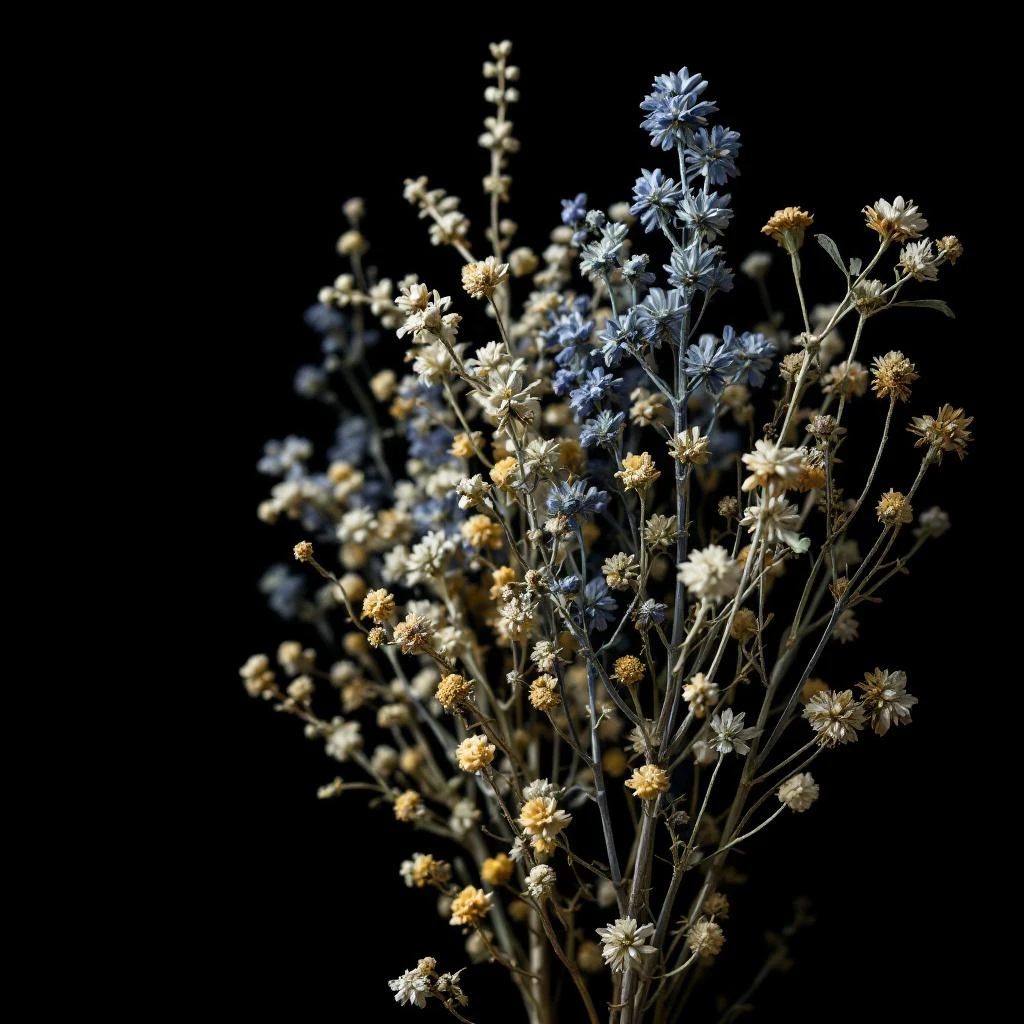
While many contemporaries leaned toward overt sweetness, Sauzé chose a restrained palette: aromatic notes that evoke rosemary and thyme, aldehydes that add a sparkling clarity, and a heart of geranium and lily‑of‑the‑valley that feels like a garden just after sunrise. The base of patchouli and moss grounds the composition, offering a quiet, woody finish that mirrors the lingering scent of dew‑kissed foliage.
The Evolution
At first spray, the fragrance announces itself with a brisk, almost metallic aldehydic flash that instantly awakens the senses, while aromatic herbs whisper a green, slightly peppery breeze. Within ten minutes, the sharpness mellows, giving way to a floral core where geranium’s rosy spice intertwines with the delicate, watery lily‑of‑the‑valley, creating a bouquet that feels both fresh and slightly powdery. As the perfume settles after half an hour, the base emerges: earthy patchouli adds depth, while moss contributes a soft, damp forest floor nuance. This drydown lingers for roughly five hours, maintaining a modest projection that stays close to the skin, leaving a subtle, lingering trace of green‑woody calm that fades gently as the day ends.
Cultural Impact
Among vintage fragrance enthusiasts, Matin Fleuri is prized as a rare 1920s chypre that showcases Sauzé’s restrained elegance. Its modest sillage and balanced drydown have earned it a niche following, often compared to the house’s Fleur de Lys, and it remains a sought‑after piece for collectors of early‑20th‑century French perfume.
The House
France
Sauzé is a Paris‑based perfume house that has quietly cultivated a catalogue of classic scents since the early twentieth century. Its early releases such as Chypre de Sauzé (1910) and Ambre et Cuir (1920) demonstrate a commitment to structured, timeless compositions that still find admirers among collectors. Today the brand offers a modest line that includes floral bouquets like Floraison de Lilas and aromatic colognes such as Cologne pour Homme à la Verveine. While it does not command the spotlight of larger houses, Sauzé’s steady presence reflects a dedication to the craft of perfumery that spans more than a century.
If this were a song
Community picks
A delicate, sunrise‑lit piano piece followed by a classic French chanson and a soft 70s rock ballad captures the perfume’s fresh start, gentle floral heart, and lingering earthy finish.
Clair de Lune
Claude Debussy









