
The Story
Why it exists.
The beginning
Tempting Rose arrived in 2018 as part of Zara's ongoing fragrance collection, a time when the brand had already spent two decades refining its approach to accessible scent. The brief was simple: take the rose, make it interesting. Not another powdery floral. Something with weight, with a hook. The answer was coffee, a base note that most rose fragrances sidestep entirely, preferring to end soft and sweet. Zara leaned into the contrast instead. Red fruits for the opener, rose for the middle, and coffee to pull the whole thing into darker territory. It's the kind of structure that makes you lean in instead of leaning back.
The rose-and-coffee pairing isn't common, and there's a reason. Roses want to smell like roses, soft, romantic, familiar. Coffee wants to smell like coffee, bitter, warm, grounded. Putting them together requires one to yield, and in Tempting Rose, it's the rose that compromises. The floral doesn't disappear, but it loses its innocence. By the drydown, you're not smelling a rose garden. You're smelling what happens after, the warmth left behind, the cups still on the table. That's the trick. The coffee doesn't compete with the rose. It contextualizes it.
The evolution
The opening announces itself with red fruits, bright, jammy, immediate. This isn't subtle. Within a few minutes, the rose arrives and the sweetness settles into something more complex. The transition isn't dramatic; it's more like watching the light change in late afternoon. By the time you hit the base notes, the rose has deepened, taken on weight. And then there's the coffee. It doesn't rush. It builds quietly beneath the florals, adding warmth that accumulates rather than arrives. Four to six hours in, the drydown reads as a soft warmth, close to the skin, intimate, the kind of scent that someone notices only when they're close enough to matter. On fabric, it lingers longer, occasionally revealing a faint trace the next morning. It's not a fragrance that announces itself at the door. It wants the conversation, not the entrance.
Cultural impact
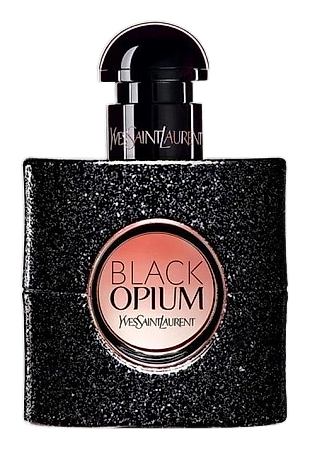
Tempting Rose arrived in 2018 during a pivotal shift in affordable fragrance. Zara had already established itself as a disruptor in the budget perfume market, democratizing access to trend-driven scents. The gourmand rose trend, popularized by Black Opium, created demand for accessible alternatives. Tempting Rose met that demand at a fraction of the cost, bringing coffee-rose combinations to a wider audience. Its success reinforced a broader shift where mainstream consumers began treating fragrance as a seasonal wardrobe staple rather than a luxury investment. This accessibility model influenced how larger retailers approached their own fragrance lines.