The Story
Why it exists.
The beginning
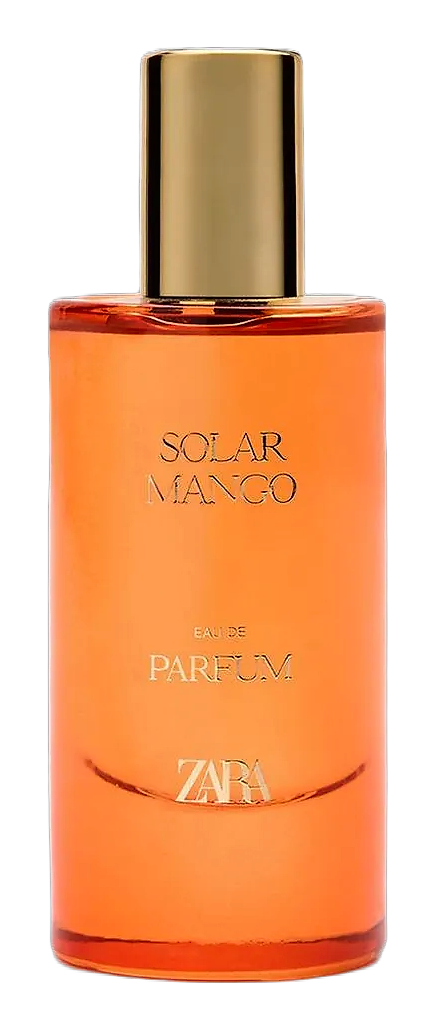
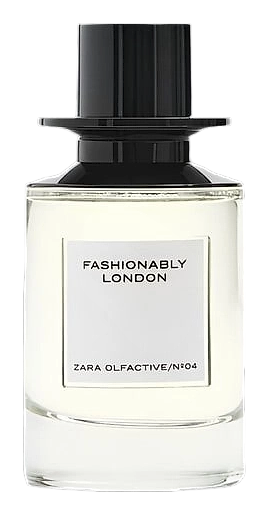
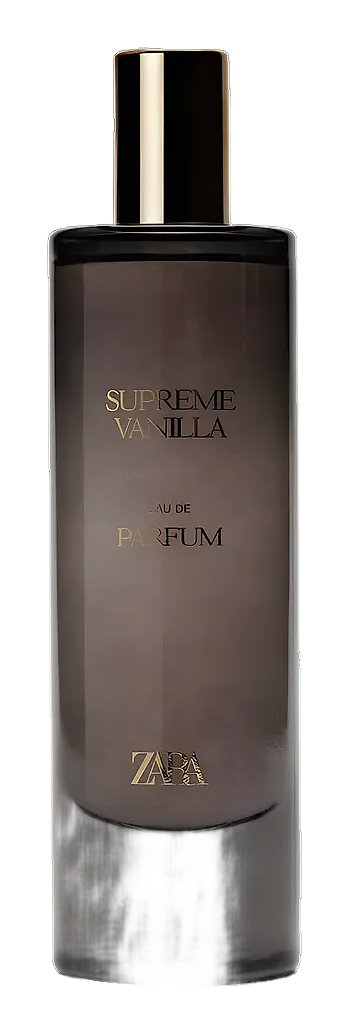
Zara entered the fragrance world through a 1998 partnership with Spanish fragrance house Puig, then shifted its approach with a 2019 collaboration with independent perfumer Jo Malone, moving toward more direct creative partnerships with individual visionaries. This marked a step away from mass-market-only positioning, introducing an awareness of composition and intention that had not always been present in the brand's earlier releases. The 2025 Tropical Capsule represents the latest phase of that evolution, a dedicated collection of bright, sun-driven fragrances that pair with Zara's broader fashion sensibility. The brief for the capsule was direct: take tropical florals and make them wearably warm. No experimental accords, no challenging structures. Just the materials that have defined tropical floral perfumery for decades, applied with the precision of a brand that understands its audience wants accessibility without feeling cheap.
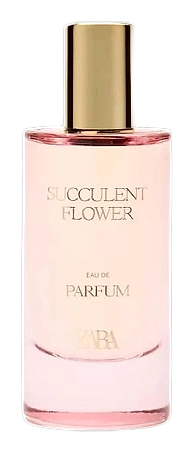
The note philosophy behind Succulent Flower reflects Zara is broader approach with the Tropical Capsule. Rather than building around a single dominant material, the collection uses materials that are widely recognized and comfortably warm. Peach offers immediate fruity appeal, frangipani brings the tropical floral warmth that gives the fragrance its name, and sandalwood closes with woody softness. None of these materials are obscure, and none require an acquired taste to appreciate. The rationale is simple: tropical florals already carry a ready-made association with warmth, sunshine, and leisure. Let those materials do their work. The pairing rationale follows from this philosophy.
The evolution
The opening of Succulent Flower announces its intentions clearly within the first minute. Peach is bright, soft, and sweet, with the dewy quality of fruit picked at peak ripeness. There is no tartness here, no Green edge. Peach arrives as an invitation, and it does not overstay. Within fifteen minutes, frangipani begins to assert itself as the heart material, easing peach aside with a creaminess that feels sunlit rather than shadowed. Frangipani is not the loudest floral in perfumery, but here it works quietly, softening the composition and lending the warmth that defines the Tropical Capsule. A gentle sweetness persists through the heart stage, carrying the fragrance from its fruity opening into its woody conclusion. As sandalwood finally enters the drydown, the composition shifts into its most restrained register. Sandalwood sits close to the skin, offering warmth that registers as natural rather than constructed. This is a base that does not try to dominate the room.
Cultural impact
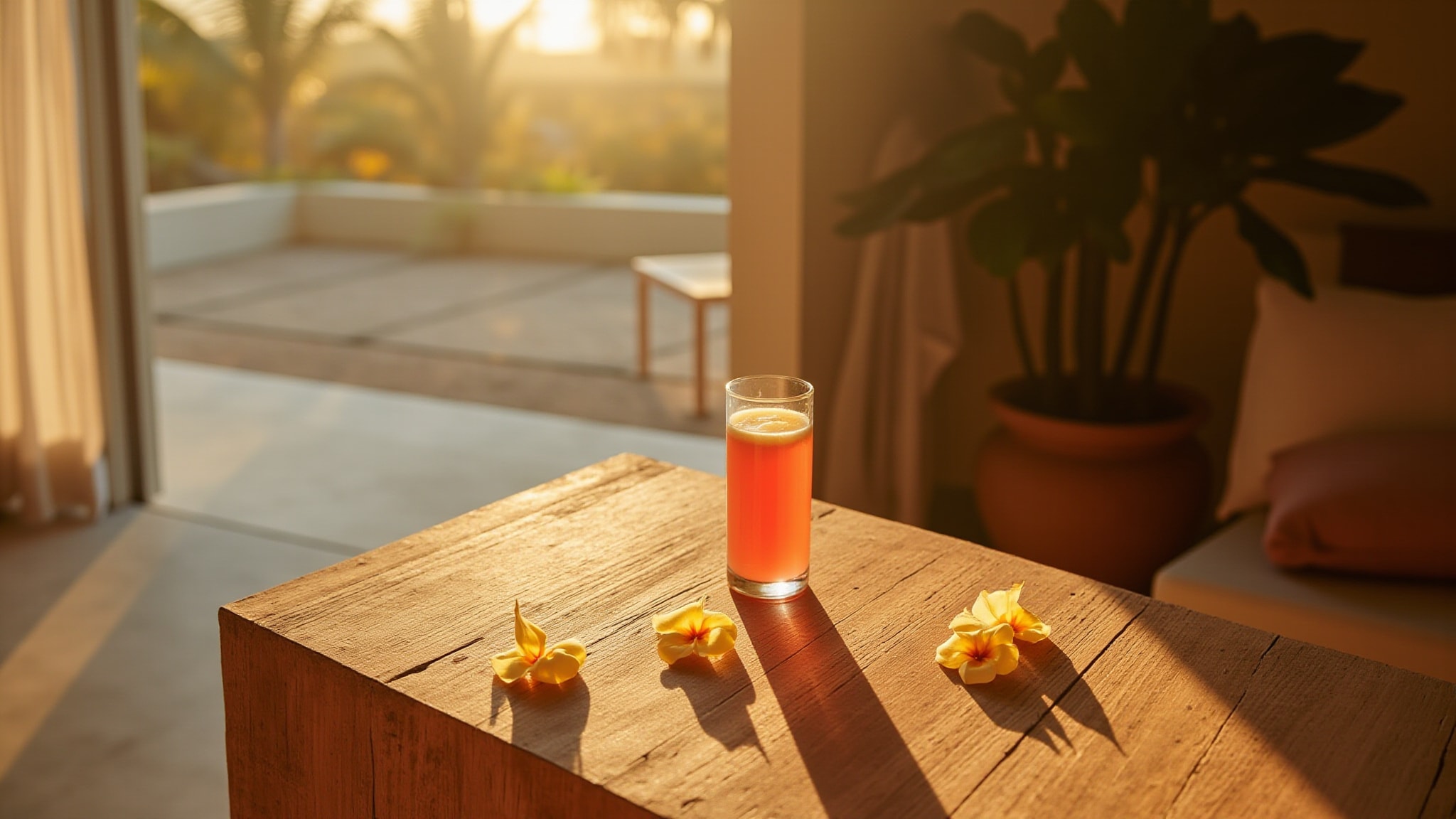
Succulent Flower quickly became a cultural touchstone for Zara’s younger audience, embodying the brand’s shift toward accessible luxury. Launched in 2025, the fragrance captured the optimism of post‑pandemic travel, with its peach‑forward opening resonating on social media platforms where users shared sunrise‑styled flat lays. The scent’s tropical heart appealed to consumers seeking escapism during warm‑weather festivals, and its moderate sillage made it a favorite for daytime gatherings. Over 200,000 units were sold in its first year, cementing its role as a seasonal anthem and influencing Zara’s subsequent capsule releases that lean into bright, fruit‑centric compositions.