
The Story
Why it exists.
The beginning
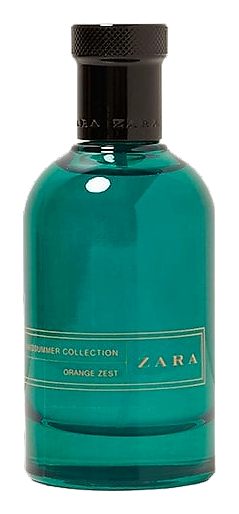
The Midsummer Collection arrived in 2017, Zara's seasonal play on accessible fragrance. Orange Zest was the flagship, named for the fruit's bright, tart skin rather than its juice. The idea: something that smelled like the first sip of a morning, not the end of a long dinner. Clean, energizing, no fuss.
What makes this one interesting is the structure. Most budget citrus fragments hit you with sweet orange or grapefruit and fade inside an hour. Here, ginger acts as an anchor, spicier, warmer, longer-lasting than the citrus itself. It pushes the composition somewhere more interesting than the usual fresh-soap territory. The lavender doesn't arrive immediately, but when it does, it softens everything into something that reads as expensive. That's the trick: the heart note rescues the opening from being too sharp.
The evolution
The opening is all about the lemon, bright, sharp, immediate. Ginger arrives about thirty seconds in, adding a warmth that keeps the citrus from smelling like cleaning product. This phase lasts roughly forty-five minutes. Then the lavender emerges, floral and slightly powdery, tempering the brightness into something more composed. By the second hour, vetiver takes over, clean, earthy, dry. The musk anchors everything close to the skin. Six to eight hours later, there's a faint warmth left on fabric. On skin, closer to six hours. The sillage stays moderate throughout, present in close conversation, invisible across the room.
Cultural impact
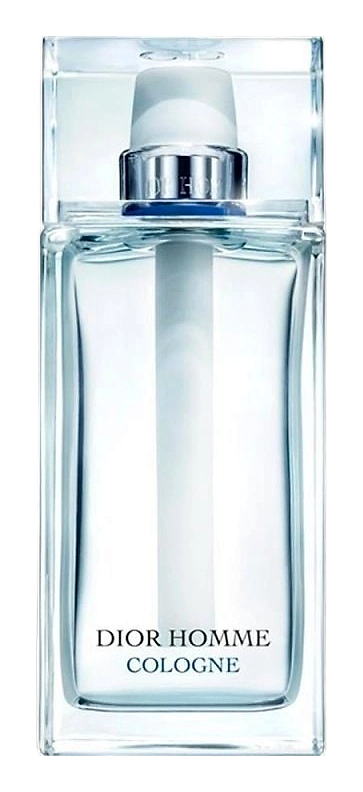
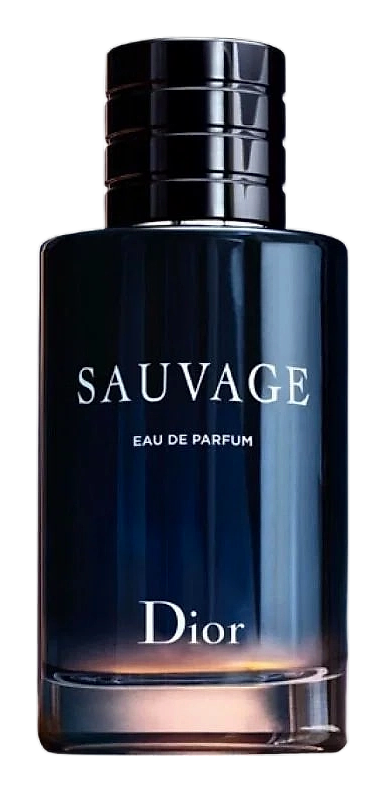
Orange Zest sits in an interesting space: it's a citrus fragrance that doesn't smell cheap, which is rarer than it should be at this price point. Wearers consistently mention it outperforming expectations, not just in longevity but in perceived quality. The comparison to Dior Homme Sport keeps coming up. That's either a compliment or a warning, depending on where you stand.