The Story
Why it exists.
The beginning
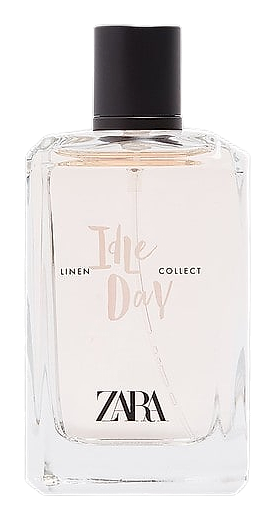
Idle Day takes its name from the rarest modern luxury, an unscheduled day. Released in 2019 as part of Zara's Linen Collect line, the fragrance captures something specific: the feeling of time stretching without obligation. Not a grand gesture, not a statement scent. Just the quiet luxury of a day that owes you nothing. The name came first, then the brief for something that embodied that particular calm.
What makes Idle Day interesting is its restraint. Three notes, no flourish. The rose doesn't bloom so much as exist within the composition, supported by cedar rather than announced by it. Most floral-green fragrances lead with the flower and let the supporting elements fade. Here, the green tea and cedar do the structural work, which makes the rose feel earned rather than delivered. It's a quiet confidence in a bottle, understated by design, and better for it.
The evolution
Green tea opens first, bright, mineral, the scent of wet leaves before any sweetness arrives. It hangs sharp for the first twenty minutes, cool and awake. Then the rose begins to surface, not a burst but a slow integration, petals settling into the composition rather than launching from it. The cedar is patient. It arrives around the thirty-minute mark, dry and clean, taking over as the green tea fades and the rose finds its footing. By hour two, the cedar has become the structure, everything else lives within it. The drydown is clean wood and the ghost of rose, intimate and close. It doesn't announce itself. It just stays.
Cultural impact
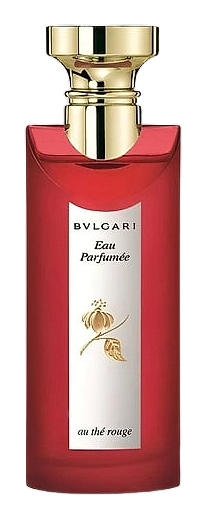
Idle Day belongs to a category of fragrances that prioritize wearability over impact. It sits comfortably alongside other accessible florals like Elizabeth Arden Green Tea and Bvlgari Omnia Crystalline, scents that don't demand attention but reward those who notice. The green tea note has become something of a shorthand for 'fresh but not aggressive' in modern perfumery, and Idle Day leans into that positioning without apology.