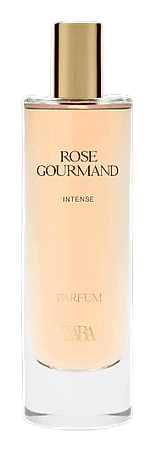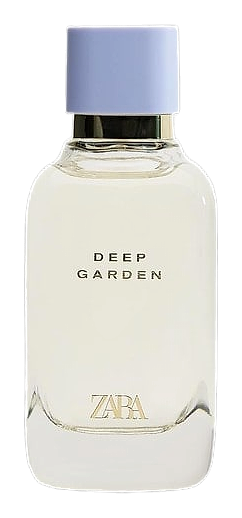
The Story
Why it exists.
The beginning
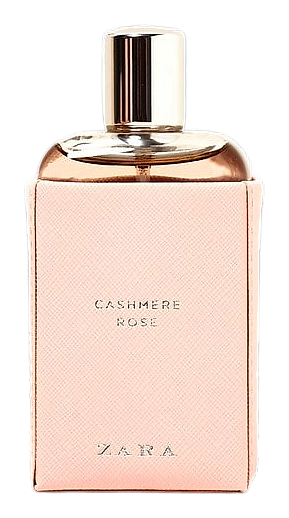
Zara launched Cashmere Rose in 2017 as part of their accessible fragrance collection, a brand built on the idea that style shouldn't require a heritage tax. The name itself is a promise: softness, warmth, something worn close to skin. Cherry, peony, and vanilla form the core, a fruity-floral-gourmand trio that feels modern without trying too hard. This was Zara doing what Zara does best: offering contemporary sensibility at a price that doesn't require a second mortgage.
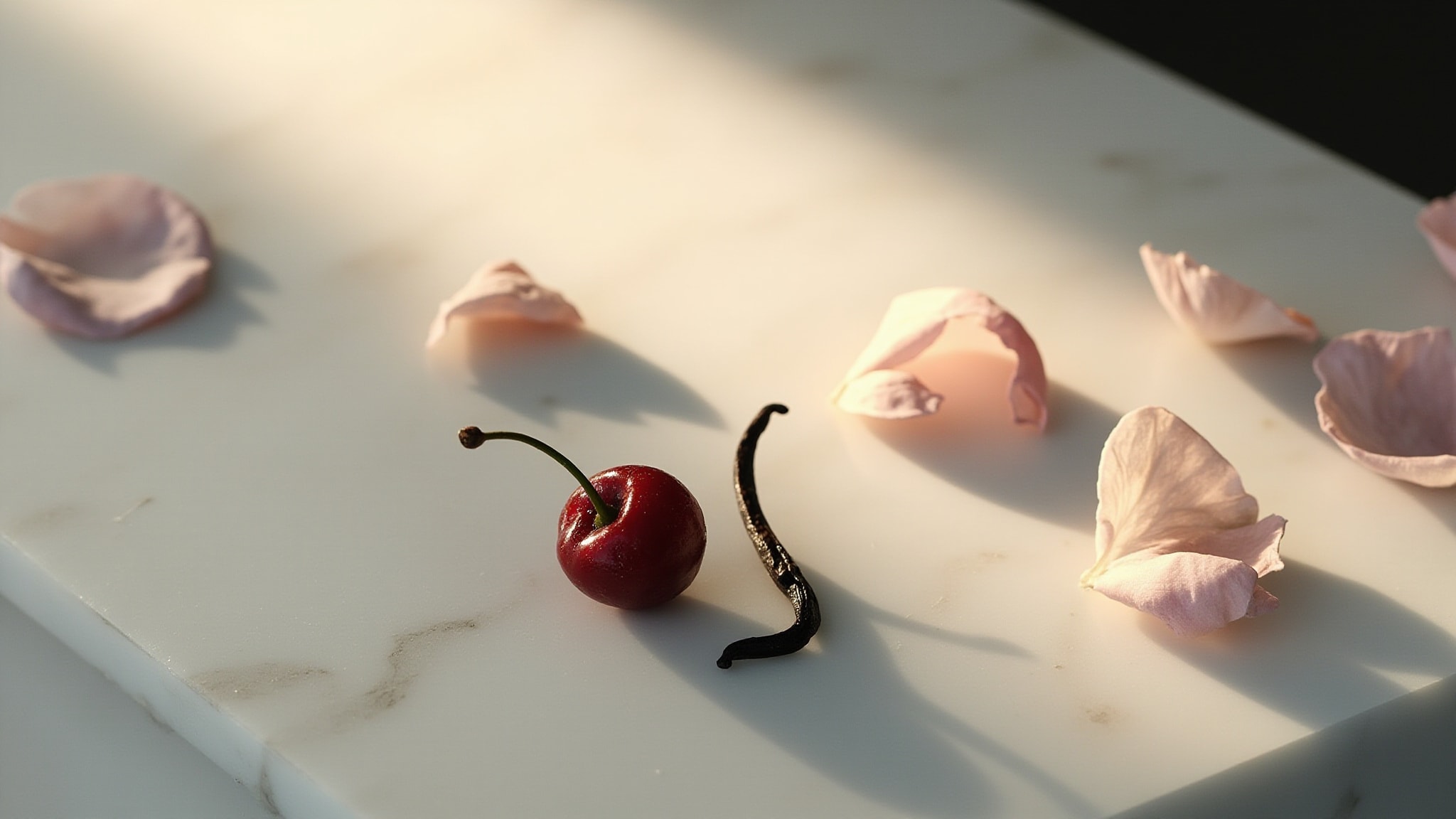
Here's the thing about Cashmere Rose: there is no rose in it. Not a single petal. But peony and vanilla create such a convincing impression of powdery softness that the name stops feeling like a lie. The cherry adds just enough fruit to keep it from being just another sweet floral. It's a composition built on smart layering rather than expensive materials, and that honesty is part of its charm. Three notes doing exactly what they need to do.
The evolution
The opening is synthetic, a bright, almost chemical lift that hits the nostrils first. Some find this jarring. Others barely notice it. Within minutes, the cherry and peony arrive, fleshing out into a fruity-floral heart that feels feminine without being childish. The peony keeps things soft while the cherry adds juiciness. Then the vanilla takes over. It doesn't rush. It settles in slowly, wrapping around the other notes like a warm base layer. The drydown is intimate, powdery, cashmere-soft, close to the skin. It lasts 6-8 hours on most skin types, fading to a quiet warmth by evening.
Cultural impact
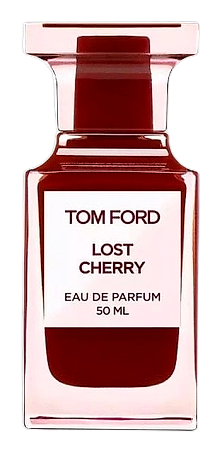
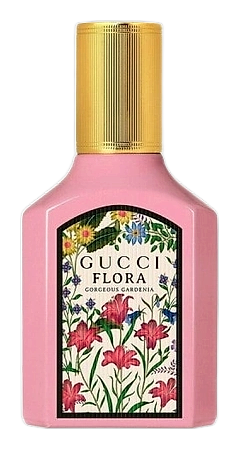
Cashmere Rose was discontinued, which has only increased its appeal among those who managed to get a bottle. Comparisons to Tom Ford Lost Cherry and Gucci Flora Gorgeous Gardenia suggest it occupied similar territory, sweet, fruity-floral, approachable, at a fraction of the price. Those who remember it speak of it as an underrated gem, the kind of fragrance that proved Zara could do more than expected.