
The Story
Why it exists.
The beginning
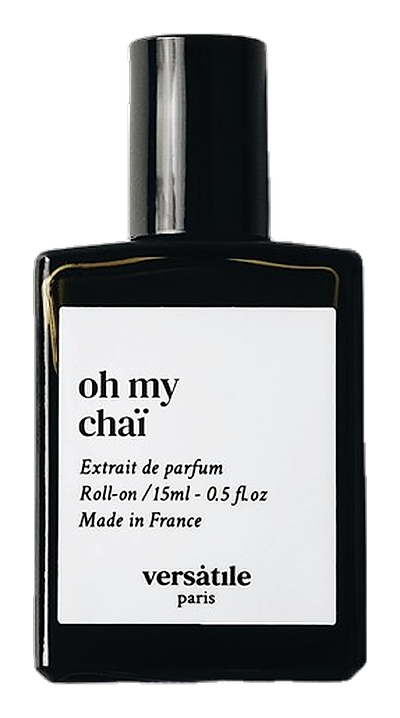
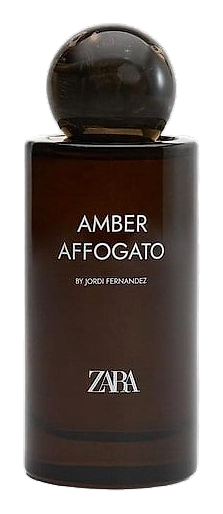
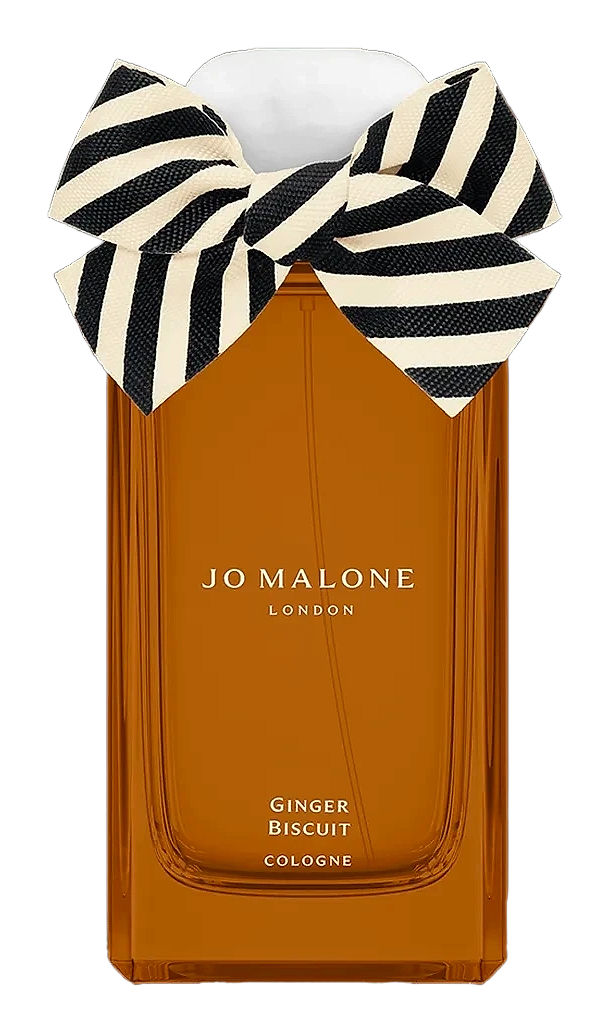
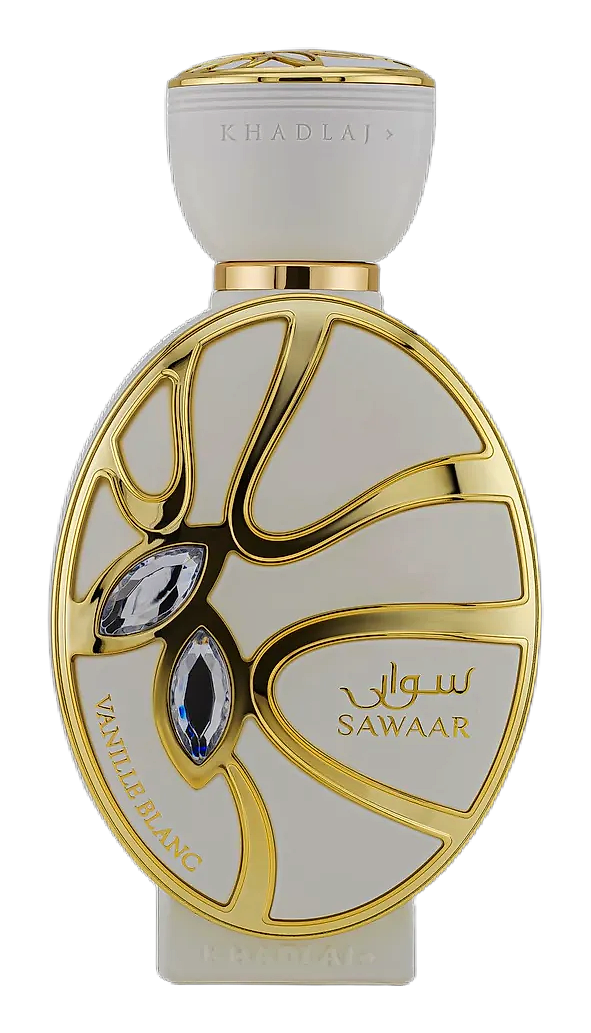
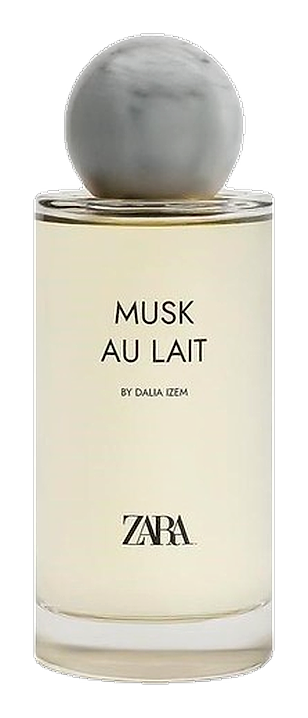
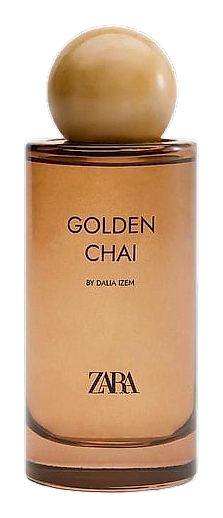
The Scents of the Desert collection draws from a vast, aromatic geography, incense-heavy souks, spice markets with bags split open for inspection, the slow ritual of tea. Golden Chai takes that idea and narrows it to something specific: the chai tradition. Not just any chai. The kind built on cardamom and cinnamon, sweetened with honey, anchored by amber. It smells like the warmth of a shared cup, the conversation that happens around it, not the caffeine. Perfumer Dalia Izem built this with an interesting constraint: the opening had to carry weight. Cardamom and cinnamon together create a dual warmth that doesn't just brighten, it asserts. The honey was meant to intervene without diluting. Softening the spice, not competing with it. And amber was the foundation: the reason the drydown feels like something that belongs to you, not something you sprayed on.
What makes Golden Chai work is how the notes reinforce each other instead of taking turns. Cardamom's green, camphorated edge meets cinnamon's generous heat and they build something together, not two separate smells but one sensation. The honey doesn't arrive later as a relief. It's present from the start, creating the context for the spice to be understood as warmth rather than aggression. And amber at the base is the reason the whole thing settles into skin instead of sitting on top of it. The composition has four notes. That's unusual in a market where more often means more impressive. But here, fewer notes means each one carries more weight. The pyramid isn't layered, it's stacked.
The evolution
The first thirty minutes belong to cardamom and cinnamon. Cardamom arrives first, green, slightly medicinal, a warmth that sits in the back of the throat. Then cinnamon, more generous, and the two of them together feel like the first sip of something hot. Not metaphorical. Actual heat. By the second hour, the honey has become impossible to ignore. Not the sharp sweetness of the opening, something rounder, warmer, the kind of sweetness that sits close to skin rather than reaching for a room. The spice doesn't disappear. It becomes the frame rather than the painting. Cardamom and cinnamon still present but softened by what's around them. The drydown is where amber takes over. This is where the fragrance becomes its own thing, not sweet anymore, not spicy exactly, but warm in a way that feels like it's coming from you. The honey and spice are still there, embedded, but amber is what you smell. This is the part that justifies the name. The warmth of it. The way it settles into skin and stays. On fabric, it becomes almost gourmand. The honey amplified by the material.
Cultural impact
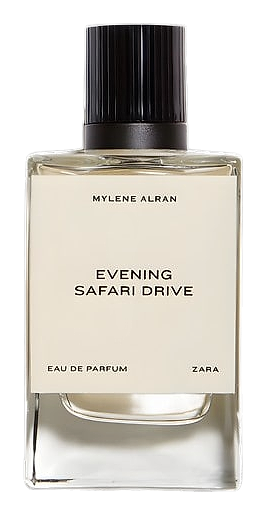
Golden Chai is part of the Scents of the Desert collection, Zara's ongoing project to translate aromatic geographies into wearable compositions. The chai reference puts it in conversation with a growing trend toward comfort scents, but Zara's version keeps the price accessible and the execution straightforward. User ratings are solid across scent, longevity, and sillage, with the value score notably high, suggesting the composition delivers against its positioning.