
The Story
Why it exists.
The beginning
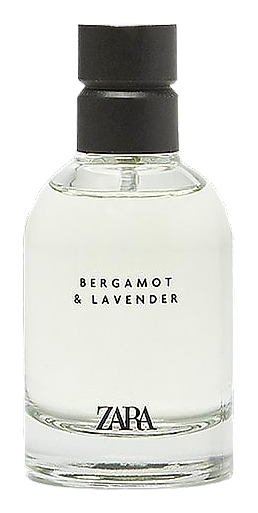
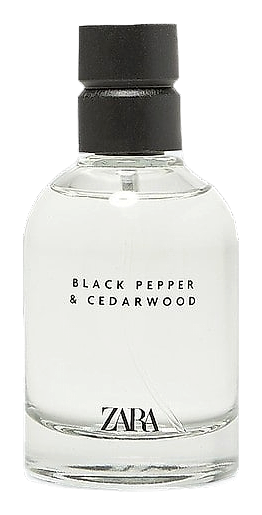
The 2020 Naturals collection stripped things back. Fewer materials, bolder choices. Black pepper, sharp, immediate, the kind that hits before you expect it. Paired with cedarwood, the slow-burning backbone that takes its time. The rose sits quietly in the middle, not the florist's rose, but something powdery and grounded. This is the story of that tension: the crack of pepper against the warmth of wood.
What makes this work is the restraint. Black pepper doesn't dominate, it arrives, asserts itself, then yields. The rose doesn't fight for space, it softens the cedar, makes it feel less raw, more considered. Cedar itself carries the longest arc, not just as a base note but as the fragrance's defining texture. Zara's brief was apparently simple: woody, honest, with enough spice to keep things interesting. The Naturals collection delivered that, note by note.
The evolution
The opening is all black pepper, sharp, crackling, the kind that hits the back of the throat before it reaches the nose. Within minutes, that bite softens. The rose arrives quietly, not the heady kind but a powdery warmth that threads through the cedar rather than competing with it. The drydown is cedar in waves, each one deeper, resinous, until the sawmill character takes over and that's all that remains. Cedar. On skin, on clothes, for hours. The kind of note that still whispers the next morning.
Cultural impact
Black Pepper & Cedarwood entered a fragrance landscape already shaped by the success of accessible luxury lines like Hedi Slimane's Dior Homme and Byredo's rise from niche to cult. Zara's approach differs in its mass-market ambition, releasing at a price point that puts the scent within reach of anyone browsing the Zara app. The fragrance arrived during a broader cultural moment where authenticity matters more than heritage, and where a 12-euro bottle of quality materials challenges assumptions about what a luxury fragrance experience requires.