
The Story
Why it exists.
The beginning
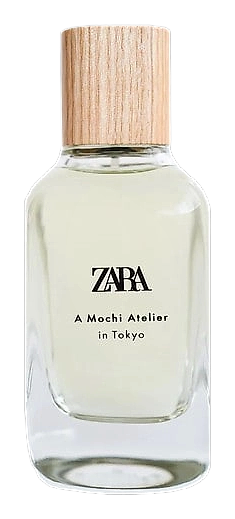
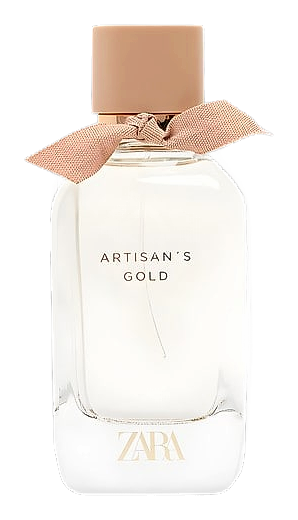
Zara's 2019 entry into crafted accessibility arrived alongside a notable collaboration, bringing perfume-forward sensibilities to a mass audience. Artisan's Gold lives in that intersection, the idea that a composed, intentional fragrance doesn't require a heritage tax. The name itself is a statement: gold suggests something worth seeking, artisan implies something worth making. The brief seemed to be this: three notes, done right.
What makes a three-note composition work is restraint, and the willingness to let each material do something specific. Gardenia brings that lush, heady white floral quality usually reserved for more expensive fragrances. Honey adds warmth without resorting to vanilla or caramel shorthand. Jasmine threads through as the aromatic backbone, the note that keeps the whole thing from reading as surface-level sweetness. Together, these three create a structure where nothing fights and everything carries weight.
The evolution
The opening is all gardenia, bright, creamy, with that slightly tart edge that makes white florals feel alive rather than perfumey. Within minutes, the honey arrives and shifts everything. The gardenia deepens, becomes more voluptuous. Jasmine begins its slow entrance, not announcing itself but present in the aromatic warmth building underneath. By hour two, jasmine owns the composition. The honey settles close, becoming a skin-warm sweetness rather than a pronounced note. The drydown is powdery in the best sense, soft, intimate, lasting four to six hours depending on skin chemistry.
Cultural impact
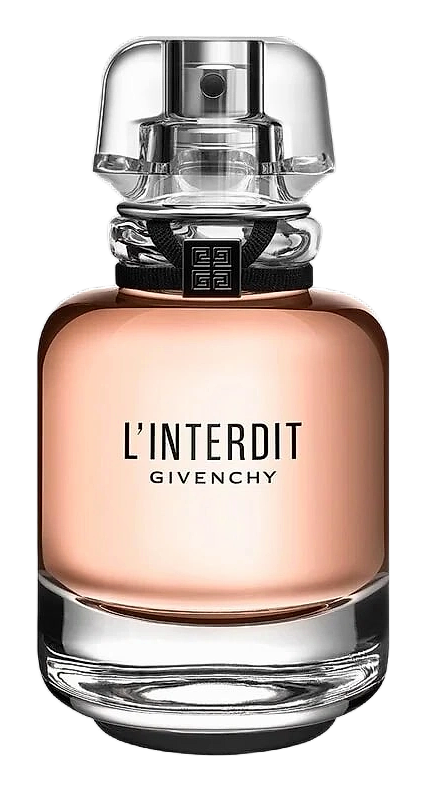
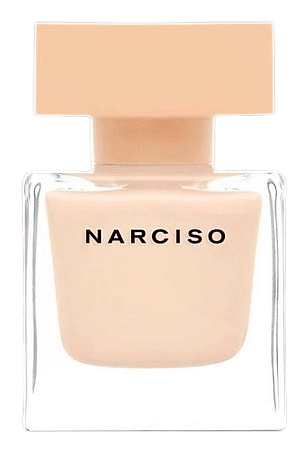
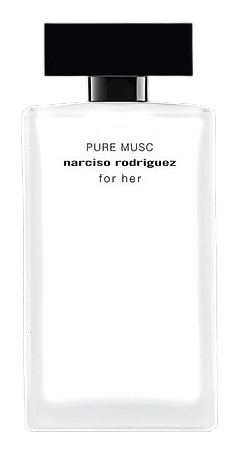
Artisan's Gold occupies the same emotional territory as Narciso Rodriguez Narciso Poudree and Givenchy L'Interdit, white florals with warmth and powder. The difference is accessibility. Where those sit in the $80-120 range, Zara's entry delivers the same sensibility at a fraction of the cost. Wearers who gravitate to it tend to value presence over projection, someone who wants to be discovered rather than announced.