
The Story
Why it exists.
The beginning
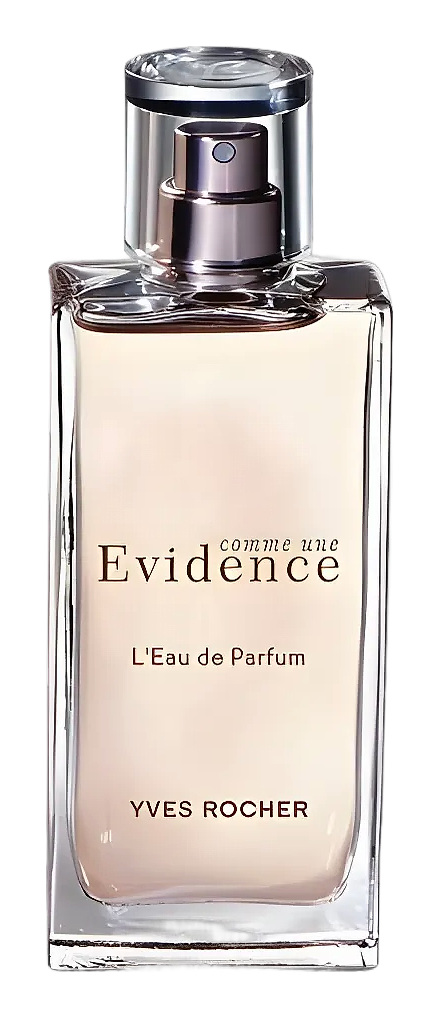
The name arrives already explaining itself. Retropical, a return to warmth, to sun, to wherever winter doesn't reach. Yves Rocher released this limited spring-summer edition in 2013, designed for the weeks when the body remembers what it's been missing. Perfumer Juliette Karagueuzoglou built the composition around a single tension: bright citrus and the mineral warmth of sand. Not coconut, not mango. Sand. The beach as a place, not a stereotype. The idea was to capture that exhale, the moment the temperature finally turns and the day stretches toward evening without apology.
The four-note structure is sparse by design. Bergamot and mandarin orange open, orange forms the heart, sand anchors everything below. Sparse, but the sand is doing real work here. In perfumery, mineral notes like sand are rare outside niche compositions, they require actual material, not just an accord. Including sand in a mass-market fragrance from 2013 was an unusual choice. It kept the sweetness of the citrus honest, grounded, mineral rather than tropical. The result reads less like a beach holiday and more like the warmth of beach stones in afternoon sun, a subtler, more atmospheric effect than the name might suggest.
The evolution
The opening announces itself clearly. Bergamot and mandarin orange, bright, present, no apology. Then, within minutes, the sand surfaces. The mineral warmth arrives as a counterweight, tempering the citrus sweetness before it can become generic. The citrus doesn't disappear. It recedes, becomes an undertone rather than the main event. The drydown is where this fragrance earns its keep. The sand lingers, and what stays is the smell of warm skin, not the sun, but the memory of it. Fades quietly. Three to four hours on most skin, moderate sillage. Leaves softly. That's the whole arc: bright start, mineral settle, warm fade.
Cultural impact
The 2013 spring-summer limited release sits within Yves Rocher's broader seasonal strategy. What separates it from the usual tropical sweetness: the mineral warmth of sand. At this price point, sand as a named note is unusual, it's more often a mood than a material in mass-market compositions. The mineral character creates an interesting tension against the citrus, suggesting warm stones rather than beach cocktails. Community reception has been quietly positive, described as pleasant, solid, better than the average seasonal release. Not revolutionary, but the sand note gives it something distinctive. Those who click with mineral warmth and beach atmospherics tend to keep reaching for it.