The Story
Why it exists.
The beginning
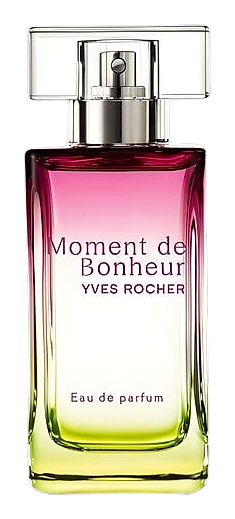
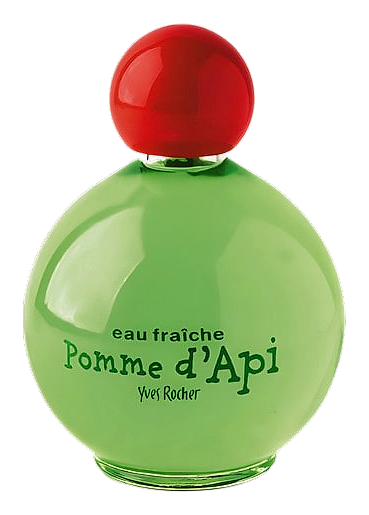
Pomme d'Api arrived in 1990 as a study in botanical restraint. Where other houses were building elaborate fruity chypres, Yves Rocher stripped the idea down to a single note, green apple, the kind that crunches when you bite it, skin bright and slightly waxy. The name itself says it all: api is the small, sharp French apple, the kind that grows in Breton gardens. Rather than compound the fruit with florals or woods, the perfumer let the apple speak alone, a soliflore decades before the trend, made for someone who wanted the thing, not the story around it. Launched as an Eau Fraîche, it sat squarely in the brand's philosophy: botanical ingredients, straightforward composition, no pretense.
What makes Pomme d'Api unusual isn't the note, green apple appears in dozens of fragrances, it's the decision to let nothing else in. This is a soliflore in the truest sense: one material, one idea, executed without apology. The freshness reads almost transparent, which is exactly the point. It doesn't try to project or compete. Instead, it occupies a specific register, the kind of scent that sits close to the skin and disappears into it, becoming part of the wearer's own smell rather than a statement they make. For a botanical house rooted in the gardens of La Gacilly, there's something quietly appropriate about a fragrance that smells like a single ingredient taken directly from the source.
The evolution
Pomme d'Api opens bright and immediate, the green apple arrives without ceremony, crisp and clean, that slightly waxy skin note that makes it read like the real thing rather than a synthetic approximation. There's a brief aquatic freshness underneath, a hint of cool air that extends the top without adding complexity. Within an hour the composition has already simplified. The heart doesn't introduce new material, it lightens. The apple becomes quieter, almost transparent, like the scent of fruit left on a plate in a cool room. By the second hour on skin, most wearers report it has faded entirely. On fabric, the trace can linger longer, a faint green sweetness that doesn't demand attention. The story Pomme d'Api tells is short. But it's honest about its length.
Cultural impact
Pomme d'Api belongs to a generation of fragrances that made scent accessible and unintimidating. The 1990s opened a door to lighter, more casual perfumes for daily wear, and this one walked through it without looking back. A green apple soliflore from a botanical house is an unusual specificity, not trying to be complex or impressive, just present and honest. It's the kind of fragrance that someone wears not because it announces them, but because it smells like a version of themselves they like.