
The Story
Why it exists.
The beginning
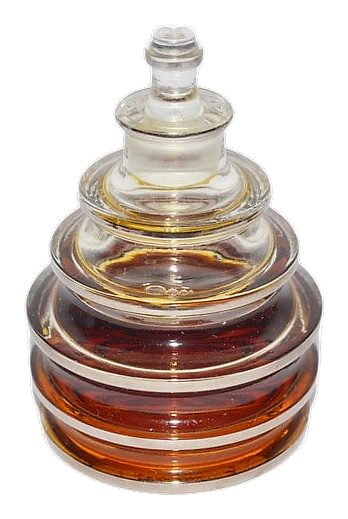
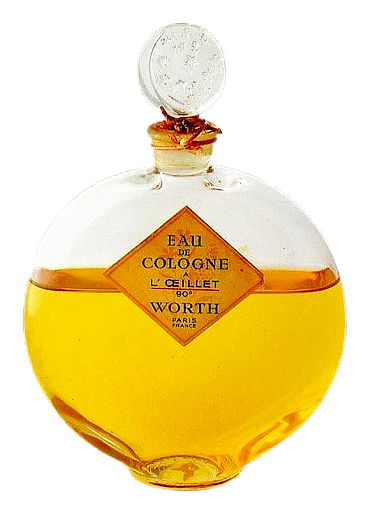
In 1929, the House of Worth turned its eye toward a flower that had been quietly holding court in European perfumery for generations. Carnation, or œillet in French, was less a novelty than a declaration of taste, a bloom whose complex chemistry had long fascinated perfumers but rarely taken center stage. Worth made a deliberate choice: a single, confident floral, executed with the precision of a couture atelier. The cologne format kept it light, a scented gesture rather than a statement, intended to be worn casually, refreshed throughout the day, lived in like a favorite accessory. The bottle was treated with the same reverence Worth brought to its presentation, the vessel itself becoming part of the composition.
Carnation is one of perfumery's most complex soliflores, which is likely why Worth built the entire composition around it rather than burying it in a bouquet. The flower's natural chemistry delivers a remarkable range: the bright, almost peppery bite of its clove-like facets, a green stem quality, and a powdery softness that reads as comfort rather than age. Concentrating those qualities in a cologne structure keeps the carnation front and center, letting the spice lead and the softness trail behind, the way a couture detail leads an eye across a garment.
The evolution
The first fifteen minutes are carnation at its most assertive, bright with that clove-green sting, almost spicy enough to read as a seasoning rather than a flower. Then it quiets. The pepper edge softens, the green stem recedes, and what remains is a warm, slightly powdery sweetness, intimate rather than declarative. On skin, the drydown clings close, never broadcasting, more a memory than a statement. A cologne in concentration, it wears with the gentility such a format implies, fading gradually into a soft, almost suede-like warmth that settles into the warmth of the skin itself. The carnation never truly disappears. It just learns manners, stepping back from the spotlight and allowing its quieter qualities, the powdery softness, the faint sweetness, to take over.
Cultural impact
Eau de Cologne à L'Œillet sits within Worth's early fragrance portfolio, released in 1929 during a period when the house was extending its reputation into bottled composition. As a fragrance built around carnation, it occupied a distinctive position, one of a handful of soliflores in a category that more often featured blended bouquets. Worth's choice to build an entire composition around a single flower treated the cologne format with care, treating fragrance as worthy of attention in its own right.