The Story
Why it exists.
The beginning
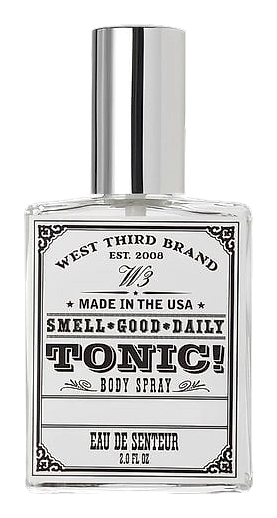
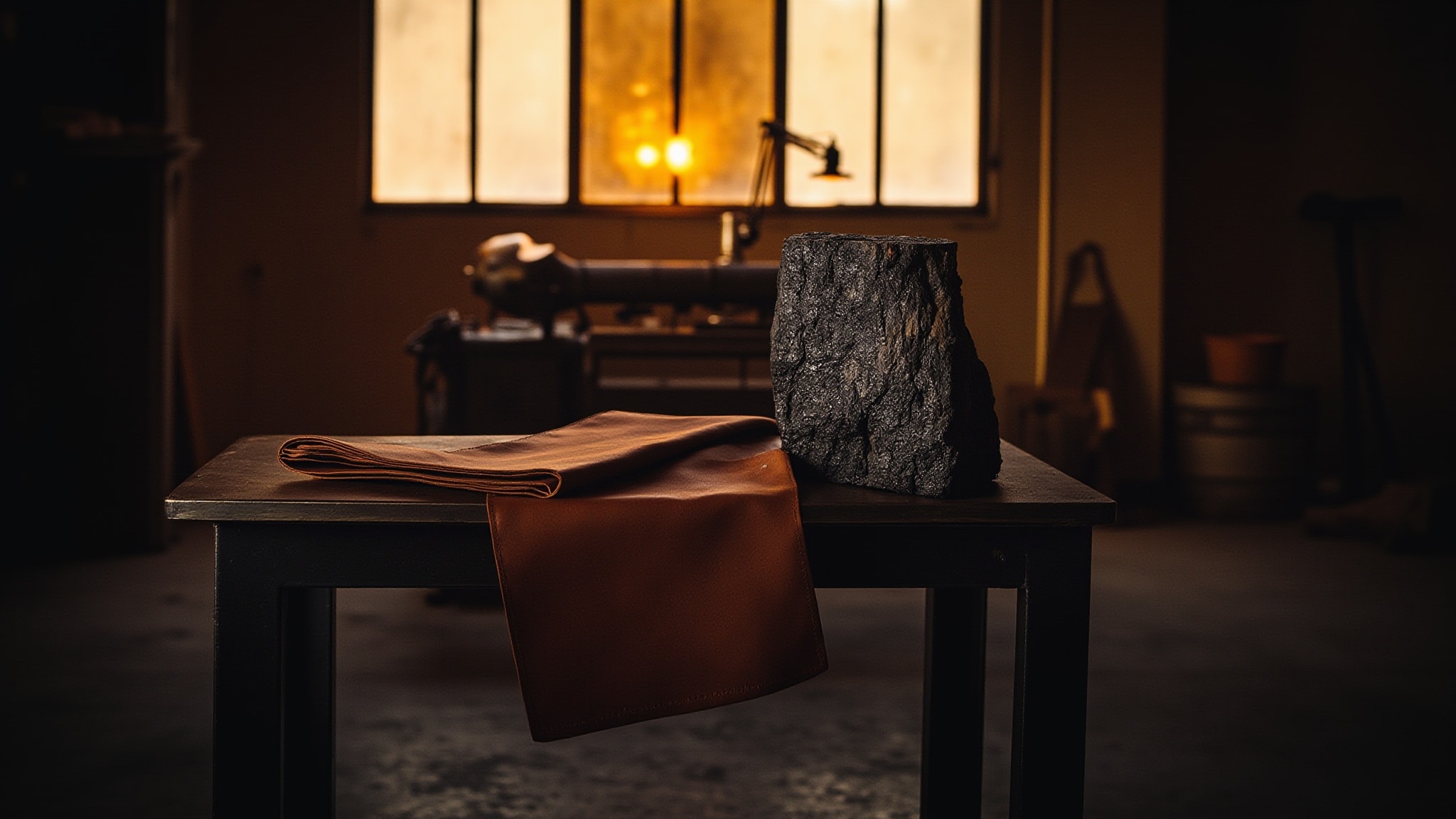
Tobacco Leather arrived in 2016, the work of perfumer Michael Loring Probst for West Third Brand. The official description calls it "classic sweet tobacco enriched with the musky nature of worn leather," and that phrase carries the entire intent: a fragrance that skips the polish and reaches for something already broken in, already lived in, already yours. The notes were kept tight on purpose. Sweet tobacco, worn leather, charred sandalwood, and cedarwood do most of the talking, and each one earns its place through how it lands on the skin rather than through sheer volume. There is a sense of compression to this composition, a refusal to pad the formula with anything that does not serve the core idea.
What makes this composition worth a second look is the tension between sweet and scorched. The tobacco carries a vanilla-leaning softness, the kind found in cured leaf rather than raw plant. The cedar and sandalwood arrive charred, which means they bring smoke without fire, carbon without ash. Leather and musky notes anchor everything to skin. It is a narrow palette, but every note pulls weight, and none of them float free from the rest.
The evolution
The opening arrives with a brief sweetness, the tobacco's cured-leaf warmth meeting a flash of charred wood. It feels immediate, slightly singed, almost edible for the first ten minutes before the leather steps forward. The heart is where the composition settles into its real character: worn leather, dry and close, layered over musky warmth. The charr on the cedar reads more like the inside of a saddle shop than a campfire. Sweetness fades into the background, replaced by something drier and more deliberate. By the second hour, the tobacco has mellowed into a quiet hum, and the sandalwood's creaminess starts to surface beneath the smoke. The drydown stretches longer than you'd expect from a composition this stripped-down. The musky base lingers through the evening, warm and close to skin, the kind of scent you catch on your own collar the next morning. On fabric, traces of the charred wood can survive past a full day. It doesn't project aggressively at any stage, but what it gives, it gives steadily.
Cultural impact
Tobacco Leather wears like an artifact, the kind of composition that finds its audience through the way it sits on skin rather than through any particular retail strategy. It belongs to a catalog that treats scent as part of a longer personal wardrobe, and the wearers who gravitate toward it tend to be people who already own a leather jacket with a story, who treat scent as part of a longer personal uniform rather than a seasonal trend.