The Story
Why it exists.
The beginning
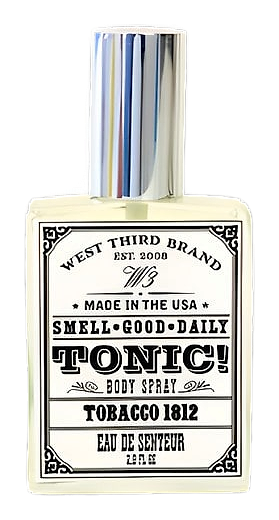
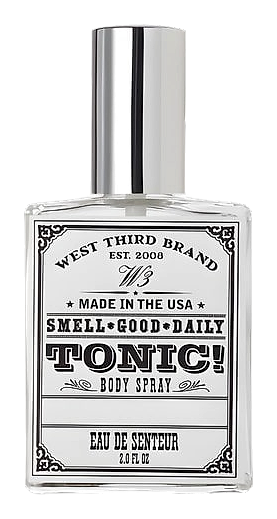
Arabesque arrived in 2016 from the West Third Brand studio in the Texas Hill Country, a house that pours every bottle by hand and keeps its catalog intentionally small. The scent came from perfumer Michael Loring Probst, who built it around an unlikely pairing: birch tar, the black, tarry material that smells like a just-extinguished campfire, set against the bright lift of Moroccan lemon zest and the resinous hush of frankincense. The result isn't a typical oriental, it's something stranger, smoky and sweet at once, the kind of composition that feels more like a sketch in charcoal than a finished painting. The name suits it. Arabesque, an ornamental pattern built from continuous, looping motion. The fragrance does the same thing, folding back on itself, smoke into sweetness, earth into air.
What makes the note list interesting is the tension at its center. Birch tar is one of the oldest materials in perfumery, used in leather compositions and church incense for centuries, but it rarely shares space with lemon zest. That pairing is the bold move. The citrus cuts through the tar's weight before the jasmine and ylang-ylang arrive to soften the edges, and patchouli grounds everything before it floats away. Most orientals of this style lean either smoky or sweet. Arabesque refuses to choose, which is why it reads as a single continuous gesture rather than a pyramid with neat floors.
The evolution
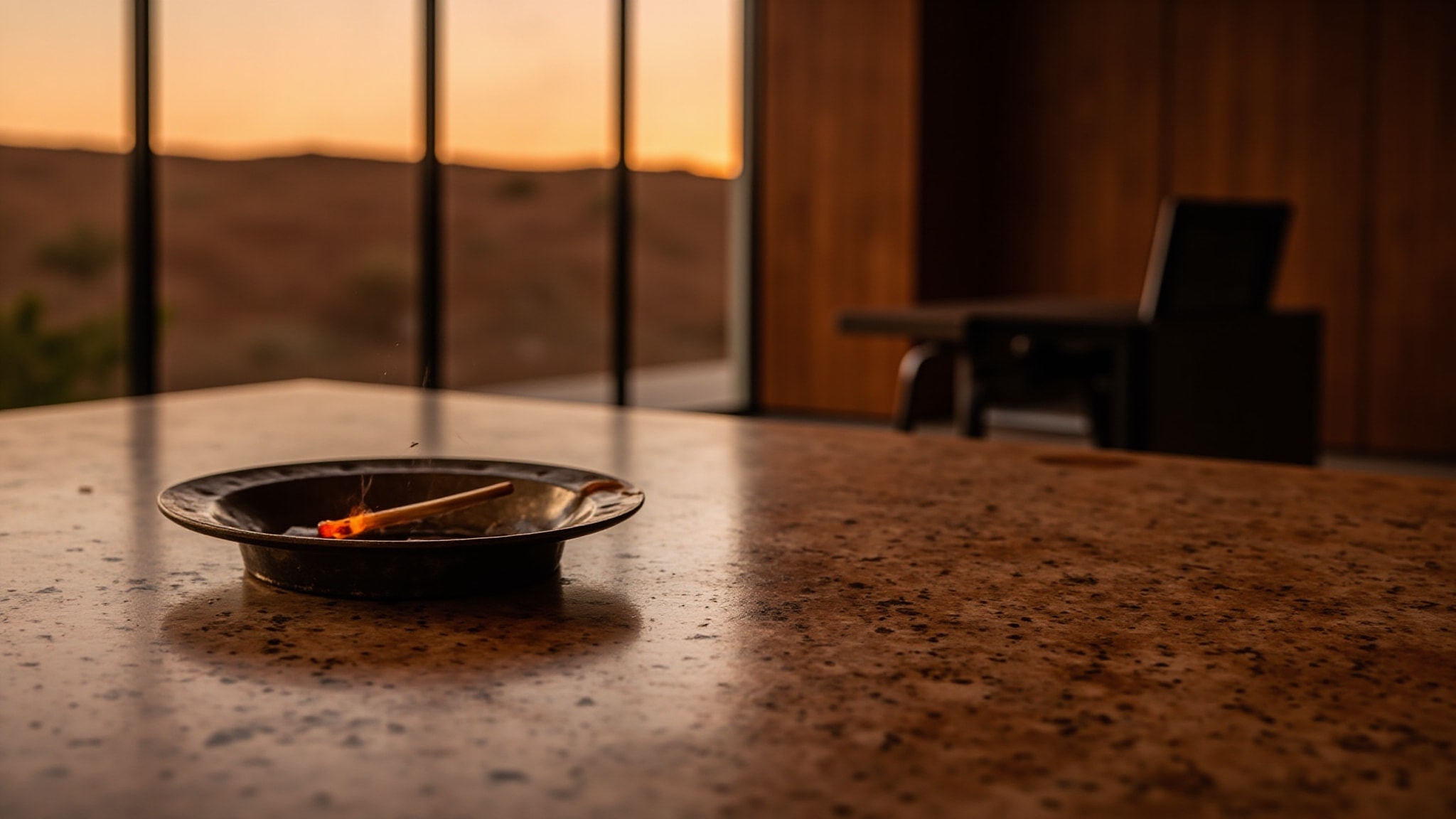
The first thirty minutes belong to the birch tar and frankincense. They're loud, almost confrontational, the smell of a just-blown-out match held close to the nose, with a thin curl of lemon zest trying to keep things bright. Don't mistake that opening for the whole picture. As the smoke thins, jasmine and ylang-ylang step forward, not as flowers exactly, but as warmth, a golden, almost honeyed quality that coats the tar and makes it behave. The patchouli arrives somewhere around the two-hour mark, deepening everything, pulling the composition toward earth. By hour four, what remains is vanilla and the ghost of sandalwood, a low, amber warmth that sits close to skin and refuses to project much further. On fabric the next morning, you'll catch the vanilla and a faint trace of that original smoke. It doesn't shout. It just doesn't leave.
Cultural impact
Arabesque occupies an unusual corner of the indie fragrance world: a smoke-and-sweet composition that refuses to be either a campfire scent or a vanilla gourmand. Among collectors of West Third Brand's catalog, it tends to surface in conversations about the house's more atmospheric work, sitting alongside releases like Band of Outlaws and Smoky Fig as evidence that the studio leans toward character over comfort. The poured-to-order model means each bottle is made when ordered, which has kept Arabesque scarce on the secondary market and tied its reputation to the people who already know the house rather than to broader mainstream discovery.