The Story
Why it exists.
The beginning
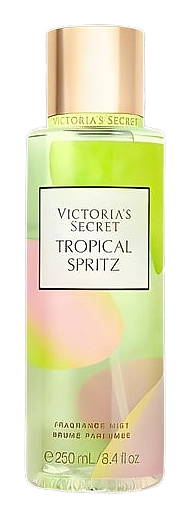
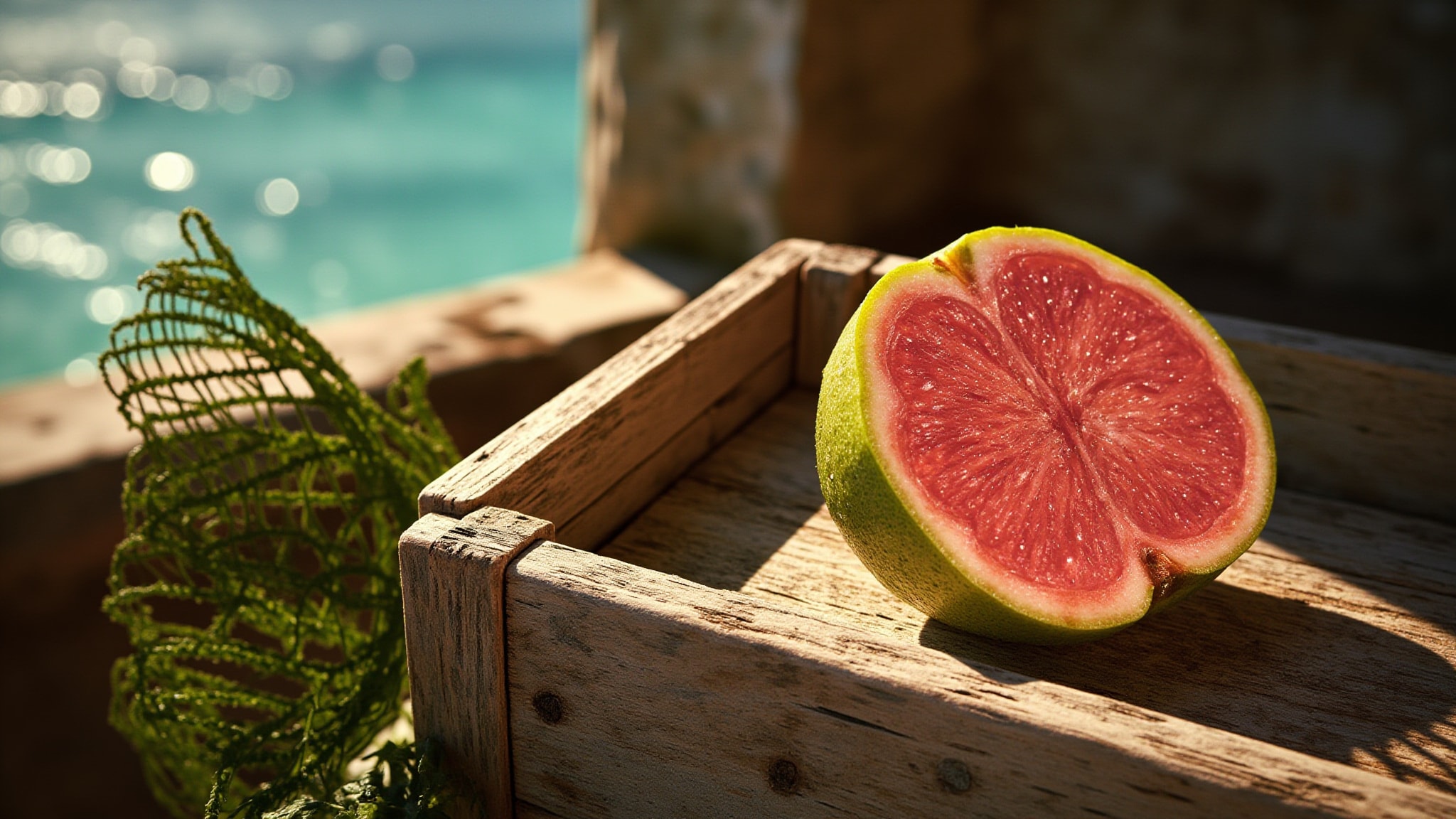
Summer Spritzers arrived in 2020 as Victoria's Secret's answer to the season everyone needed most, a vacation you could wear. The brief was simple: translate tropical escape into a scent you could reach for any Tuesday. Tropical Spritz means exactly what it says. Guava leads, bright and unmistakable, backed by a freshness that feels less like a poolside drink and more like open air moving through a warm room. No subtlety. No apology. The collection included Melon Sorbet, Coconut Granita, and Citrus Chill, each a different route to the same beach.
What makes this work is the ice. Not a mint note exactly, more of an aldehydic brightness that lifts the guava and keeps it from cloying. Tropical fragrances live or die on that edge between fruit basket and fruit punch. The ice accord is what separates Tropical Spritz from the field. Herbs and solar florals provide the body so the scent doesn't just flash and disappear, but the foundation is always that initial burst of cool, sunlit fruit.
The evolution
It opens loud. Guava hits immediately, sharp and sweet, but the ice note arrives within seconds, that cold aldehydic flash that makes the room feel refreshed. Thirty minutes in, the green herbs take over. The sweetness retreats, the florals begin to surface, and what you're left with is something cleaner, greener, warmer than the start. Two hours in, you're in the drydown: solar florals close to the skin, barely there, intimate. The projection is moderate, you're aware of it, people near you might catch a hint, but it never announces itself. By hour four, it whispers. By hour five, it lives on your skin.
Cultural impact
Victoria's Secret launched the Summer Spritzers line in 2020 as the brand pivoted toward accessible, mass-market tropical fragrances. Tropical Spritz arrived during a period when consumers increasingly sought lighter, fresher scents for everyday wear, moving away from heavy Oriental fragrances. The use of ice and aldehydic notes reflects broader industry trends from the late 2010s and early 2020s, where perfumers borrowed from skincare and beverage industries to create fragrance experiences that felt novel and Instagram-ready.