The Story
Why it exists.
The beginning
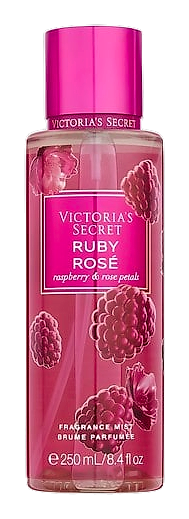
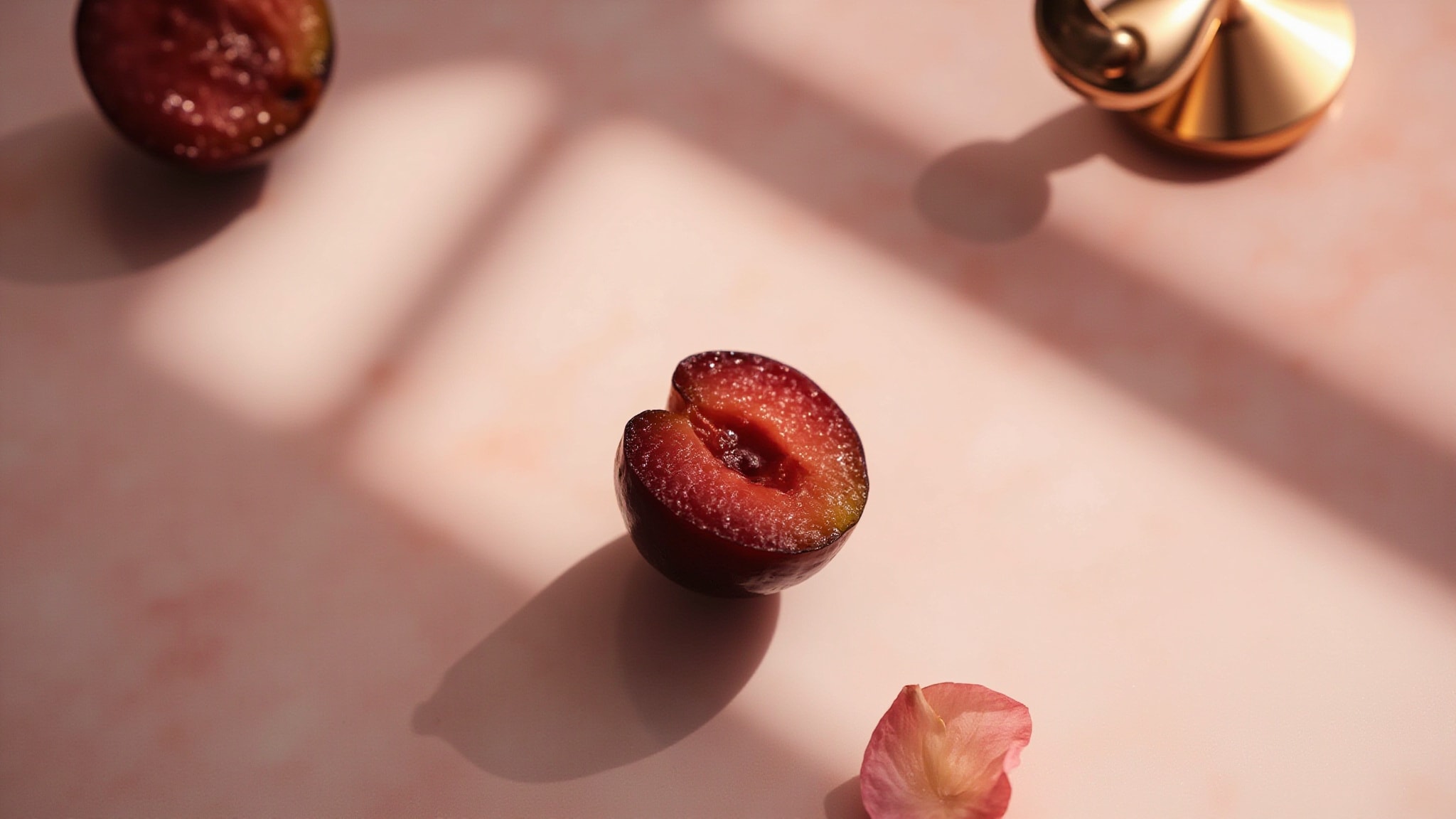
Ruby Rosé is the Victoria's Secret answer to a very specific craving: the berry-fruit fragrance that doesn't play it safe. Raspberry and red plum arrive together, bright, tart, unapologetically sweet. Rose joins as the counterweight, tempering the juiciness just enough to feel composed rather than reckless. The name says it all. Ruby for the plum's wine-dark depth. Rosé for the rose that keeps everything in balance. It's a two-note name for a three-note truth, bold fruit, softened by bloom.
What makes Ruby Rosé interesting is the way the three notes interact rather than layer. Raspberry and plum are both fruit, they share a register, a brightness, but raspberry brings acidity while plum brings depth. They reinforce each other rather than compete. Rose sits between them, neither dominating nor disappearing. The result is a fruity-floral that doesn't feel like a compromise. It's not sweet AND floral, it's sweet florally, all the way through, with no awkward handoff between phases.
The evolution
The opening announces itself immediately. Bright raspberry, the kind that stains fingertips. This is the first hour's argument, fruity, tart, attention-grabbing. The rose doesn't rush. It arrives around the 30-minute mark, not replacing the raspberry but settling beside it, adding a warmth that makes the fruit feel less sharp and more lush. Red plum anchors both. The drydown is where this fragrance earns its name. Raspberry fades first, it always does, but rose and plum settle into something close, something skin-adjacent, something that lingers past midnight on warm skin.
Cultural impact
Ruby Rosé launched in 2022 into a VS lineup known for fruity-floral signatures. Where classics like Bombshell leaned tropical and floral, Ruby Rosé went darker, plum and rose instead of citrus and gardenia. It's the brand's take on the modern fruity rose, and it arrived at a moment when that register was already crowded. What sets it apart is commitment to the berry rather than the citrus. The sweetness doesn't pretend to be anything other than what it is.