
The Story
Why it exists.
The beginning
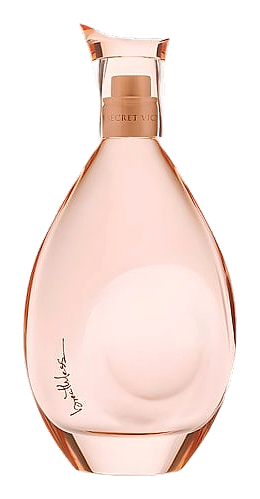
Annie Buzantian built Breathless around a single tension: the cool brightness of citrus against the warmth of white florals and wood. She had the materials, neroli, orange blossom, mandarin, and she wasn't subtle about using them. What she delivered was something smarter: a fragrance that smelled expensive without trying too hard, that could hold a room without filling it. The citrus opens crisp and immediate, a burst of tart sunshine that feels both refreshing and sophisticated. The white florals follow with a richness that borders on opulent, while the woody base grounds everything in warmth that lingers close to the skin. Not every fragrance survives its era. This one did.
The note structure is deceptively simple, three materials in the pyramid, four accords listed, but the ratio matters. Neroli and orange blossom share the same molecule family (the same thing that makes jasmine smell like jasmine), and when you stack them together, the effect isn't additive. It's multiplicative. The orange blossom doesn't just add sweetness, it amplifies the bitter, green undertone of the neroli into something that reads as both heady and clean. Sandalwood at the base doesn't ground the composition so much as extend it, giving the florals somewhere to linger that isn't skin. It's the difference between a fragrance that arrives and one that stays.
The evolution
The opening hits fast, mandarin orange's bright tartness, then neroli's bitter floral kick arrives within thirty seconds. The citrus doesn't fade so much as fold into the heart, where orange blossom takes over and the whole thing gets richer, more enveloping, almost opulent. By hour two, the neroli has softened but not disappeared, and sandalwood begins its slow emergence, warm, creamy, close to the skin rather than projecting outward. On fabric, it lingers overnight. That's the tell: wake up the next day and something clean is still there, not quite gone.
Cultural impact
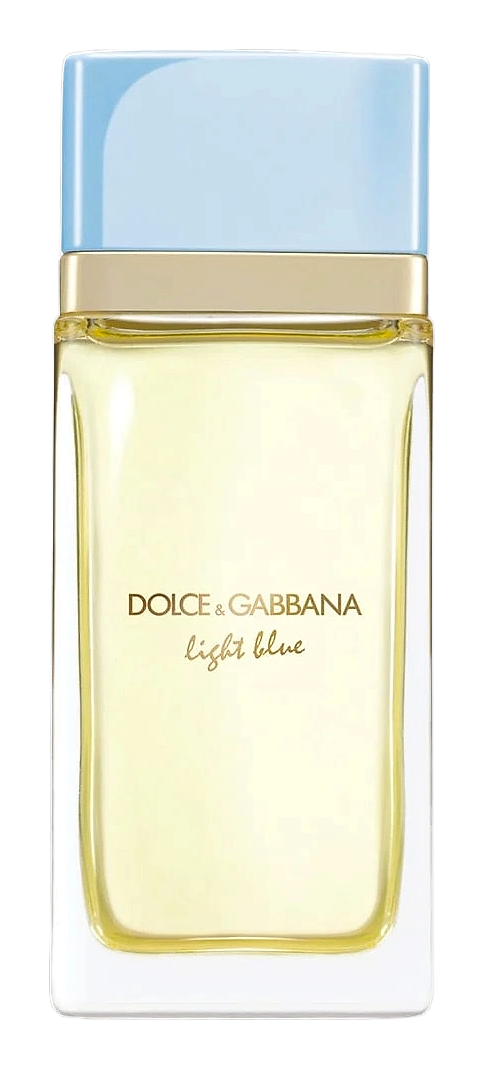
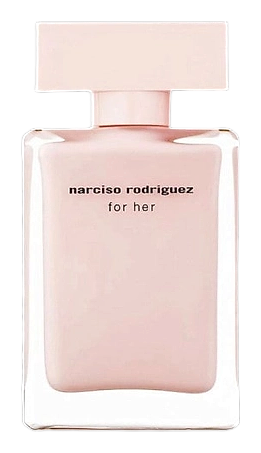
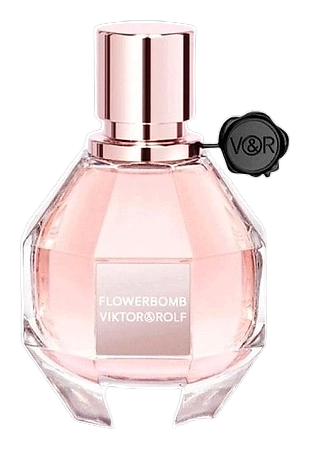
Breathless developed a cult following that outlasted its availability. Discontinued yet still sought after, it continues to surface in fragrance communities as a recommendation for anyone seeking the orange blossom and neroli combination. Wearers describe it as the fragrance that started their collection, the one they keep returning to, the one they wish they had bought in bulk. Compared to peers like Chanel Coco Mademoiselle and Dolce&Gabbana Light Blue, it occupies a similar citrus-white floral territory but with an almost brazen floral honesty that sets it apart.