
The Story
Why it exists.
The beginning
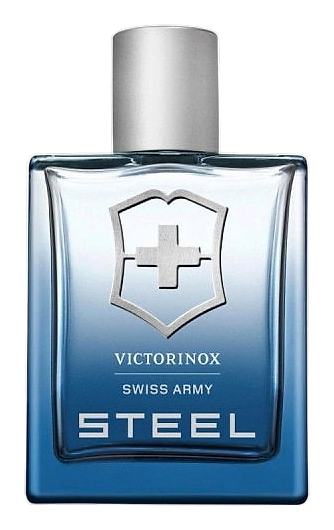
Victorinox built their name on tools that work. The Swiss Army knife is a fixture in pockets worldwide, practical, reliable, unpretentious. Steel extends that philosophy into scent. The 2018 release from perfumer Christophe Raynaud captures the feeling of precision engineering translated into olfactory form. This is a fragrance that earns its place in a dopp kit, not a vanity.
What makes Steel interesting is its refusal to complicate things. Lavender and violet leaf open crisp and herbal. Sea notes carry the middle without turning into a synthetic ocean. Moss keeps the composition grounded, earthy, slightly damp, the smell of something that's been outside. Cedar finishes clean. No sweetness to rescue it. No darkness to hide behind. Just materials doing their job.
The evolution
The opening arrives crisp. Lavender hits first, clean and immediate, with violet leaf lending a green bite that cuts the air. Within minutes, the composition shifts. Sea notes emerge as the herbal sharpness softens, not a wave, more like the mineral smell of wet stone at the waterline. The moss then settles into place, adding an earthy undertone that prevents the aquatic accord from floating away entirely. Cedar takes over in the drydown, holding for hours with moderate projection. On fabric, it lingers longer, the cedar base embedding itself in cotton and wool long after the skin has moved on.
Cultural impact
Steel occupies a specific niche, the man who wants a fragrance to work without announcing itself. It's been discontinued, which adds a certain appeal for those who like their scents with a utilitarian backstory. Not a statement piece. A tool. The Victorinox brand brings its tool-making philosophy to scent, function over flair, reliability over novelty. Steel arrived quietly and departed the same way, earning respect among those who seek fragrance as infrastructure rather than identity.