The Story
Why it exists.
The beginning
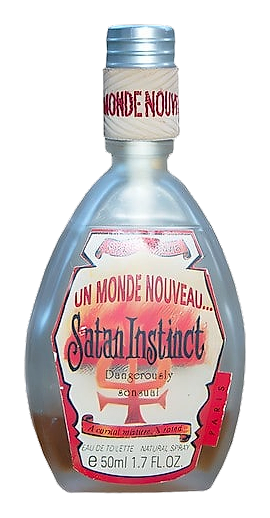
Satan Instinct landed in 1993 alongside a small constellation of provocative siblings, Virgin Spell, Midnight Star, Cherry Cherie. Un Monde Nouveau chose names like dares, and this one, coded in temptation, promised something primal underneath its sweet surface. Maurice Roucel built the composition around that promise. Vanilla was the bait. Ambergris and musk were the tell.
The real move here is the ambergris. In 1993, using it this prominently, letting it lean animalic instead of scrubbing it into a clean marine note, was a statement. Roucel didn't bury it under mountains of sweetness. He let the vanilla and ambergris speak to each other, coumarin smoothing the conversation into something powdery and warm. The result is a vanilla that doesn't behave like vanilla. It behaves like skin, warmed by something underneath.
The evolution
The opening is thick. Warm vanilla, sweet but not syrupy, the kind that smells like warm milk and honey before it smells like perfume. Then the ambergris arrives. Ten minutes in, something shifts. Marine and fecal at once, the kind of note that shouldn't work but does. Your skin, but amplified. Musk rises to meet it, and for the next several hours the scent becomes less a fragrance and more a second layer. By the drydown, it's ambergris and vanilla on warm skin, close, intimate, lasting well past midnight.
Cultural impact
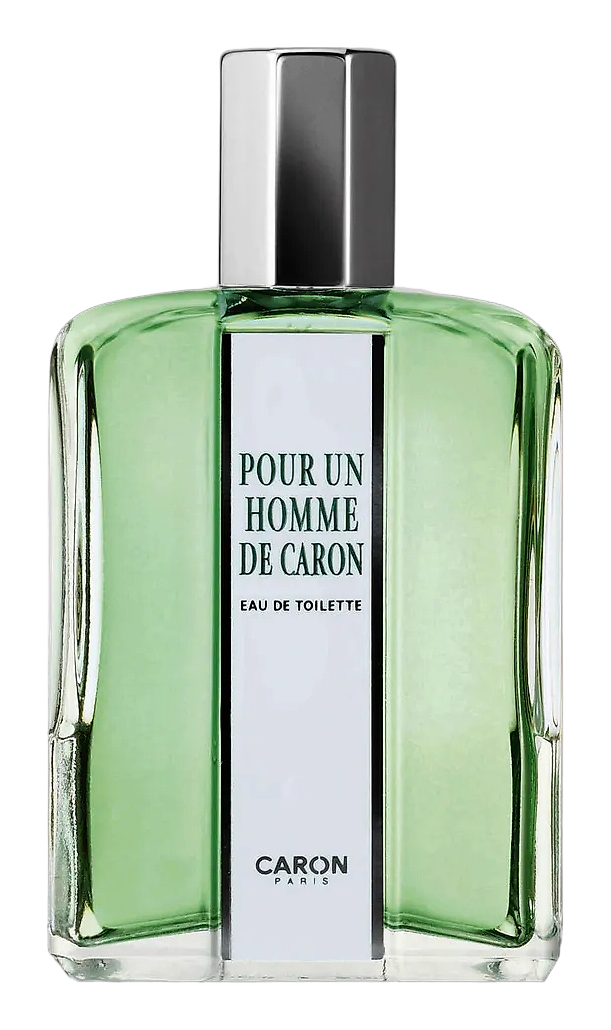
Satan Instinct exists in the lineage of warm, skin-close orientals that emerged from French niche houses in the early 1990s, compositions that favored intimacy over impact. Wearers describe it as the scent of someone who walks into a room and doesn't need to announce themselves. Comparisons to Pour Un Homme de Caron, Mugler A*Men, and Narciso Rodriguez For Her suggest it occupies similar territory, though the ambergris-forward approach gives it a distinct edge. Discontinued now, it has become a quiet collector's piece, the kind you find and feel fortunate.