The Story
Why it exists.
The beginning
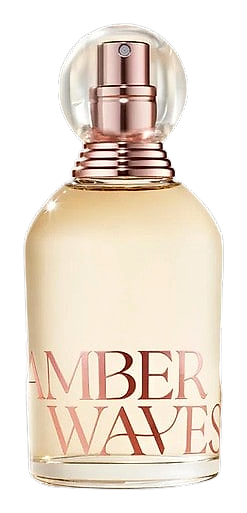
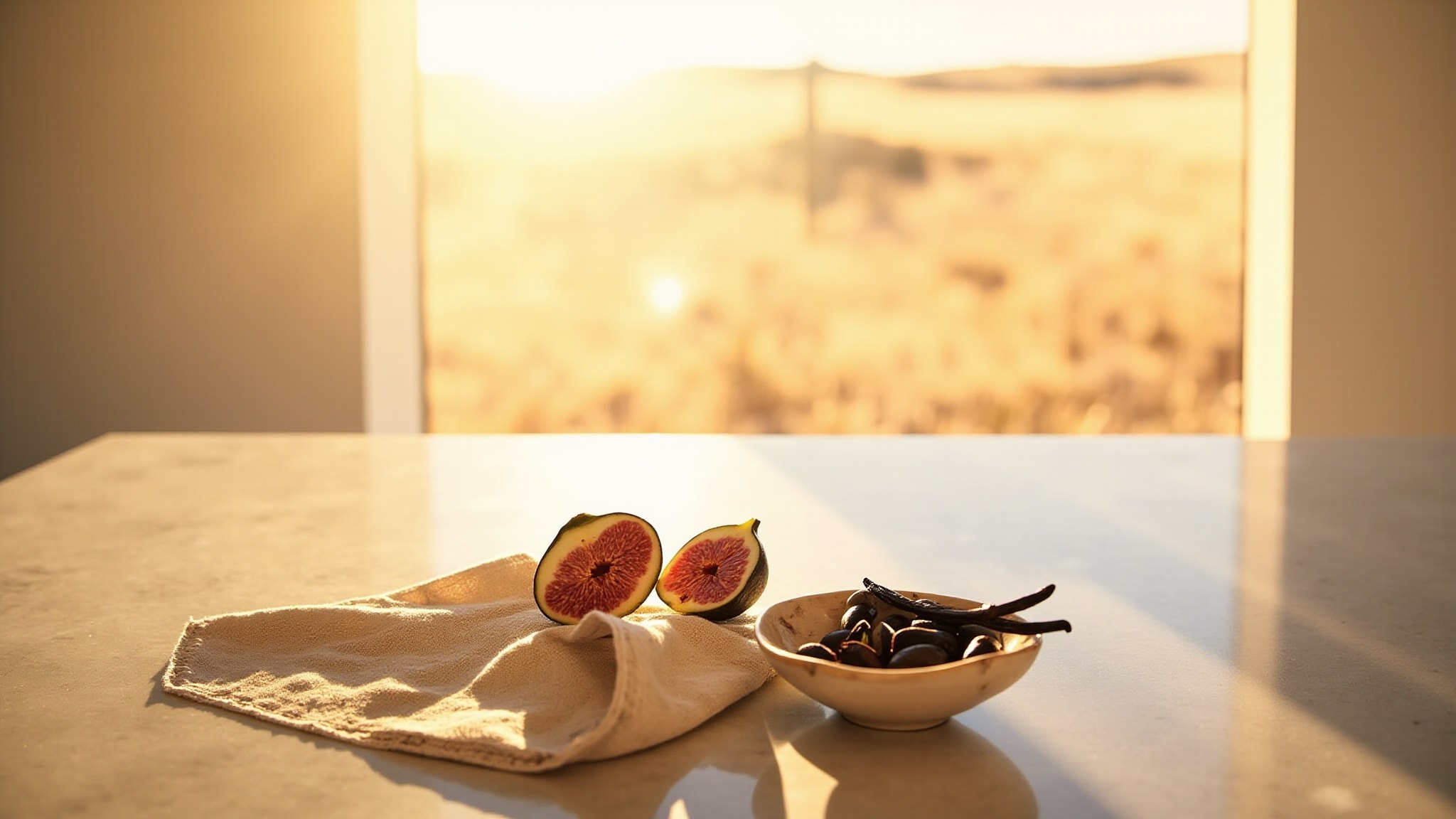
Amber Waves arrived in 2025 from Tru Western, a house with a long-standing fixation on frontier imagery. The name does the heavy lifting before the first spray. There is a quality of late-day light in dry country, that thick gold slant between late afternoon and dusk, the kind that smells like warmth on dry wood even though you can't actually smell light. The brand pulled that moment into a bottle without leaning on a single trope. No cowhide. No campfire smoke. Just a wide, warm hush, the kind that arrives when the day gets long and the land opens up. The composition keeps its feet on the ground, refusing to compete with the louder, sweeter compositions crowding the market. This one is drier, more grounded.
What makes this composition worth noticing is the restraint around the vanilla. Vanilla has become the workhorse note of the last decade, and most releases either overbuild it with sugar and spice or bury it under louder materials. Here the fig and Texas cedar do something interesting. They bracket the vanilla between a green, milky fruit opening and a dry, resinous wood drydown, and the vanilla ends up acting as a bridge rather than a destination.
The evolution
The fig arrives first, a green-creamy rush that reads almost milky, like biting into fruit that's been warming in the sun. In the opening stretch it carries the whole composition, sweet but grounded, and there's already a faint cedar backbone underneath giving it shape. As the early phase softens, the sandalwood and vanilla blossom push the fig aside. The scent rounds out, and what was fruity becomes warm and woody with a gentle sweetness woven through. Once the composition settles into its middle distance, the fig recedes, the cedar becomes fully present, and the vanilla reads as a dry warmth rather than anything gourmand. The Texas cedar is the material that lingers longest on skin and on fabric, a dry, resinous hush that holds well into the later hours of wear.
Cultural impact
Amber Waves sits in an interesting place in the current vanilla conversation. This one charts a quieter path, closer to the wood and atmospheric side, with fig and cedar doing the framing rather than caramel or smoke. It wears like a room-temperature landscape, the kind of warm scent that reads as place rather than flavor. The kind of person who reaches for Amber Waves tends to want their vanilla grounded, less dessert, more daylight. Its restraint is the statement, and that restraint sets it apart from the louder, sweeter compositions that have come to dominate the warm-fragrance category in recent years.