Heritage
A house, in its own words
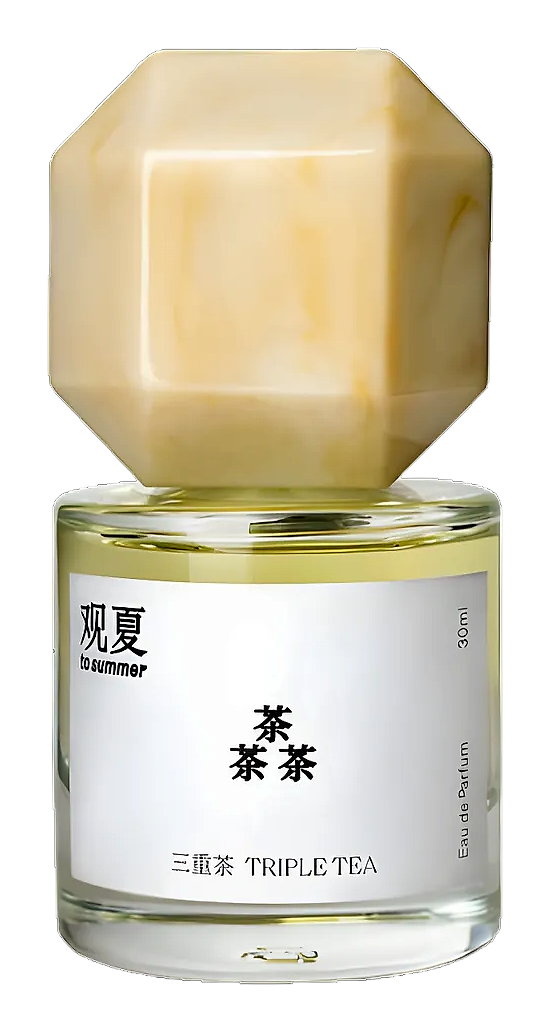
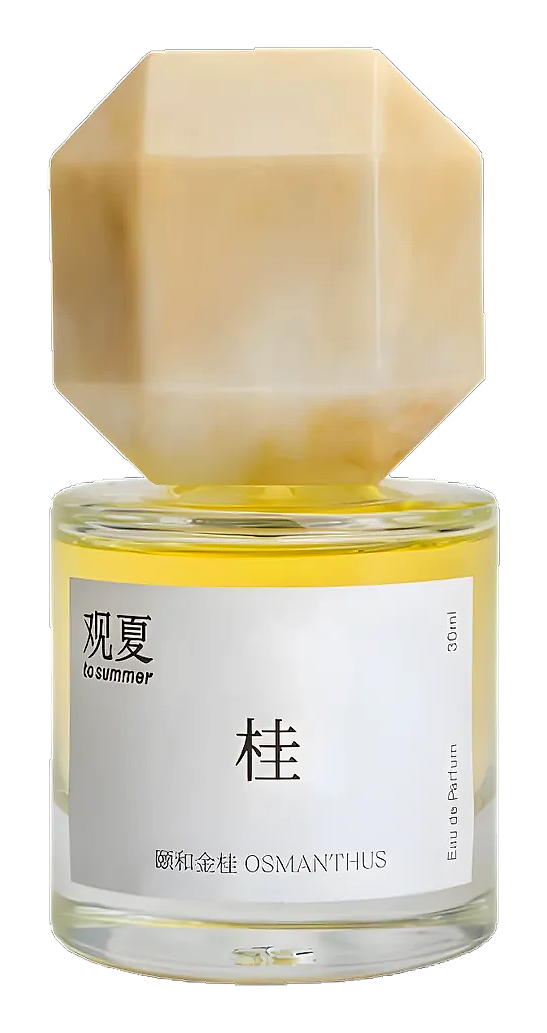
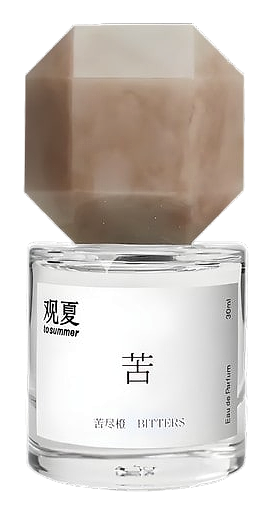
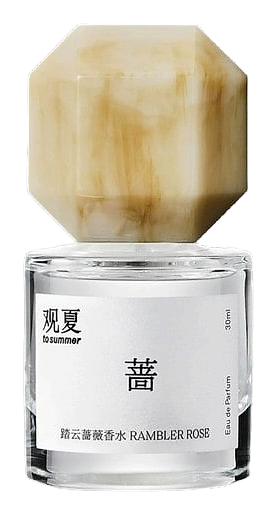
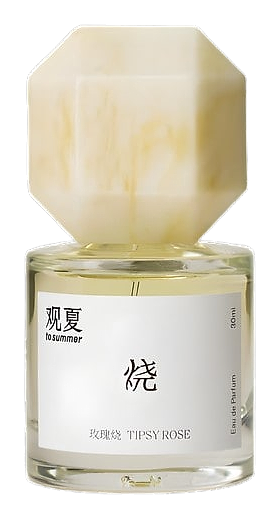
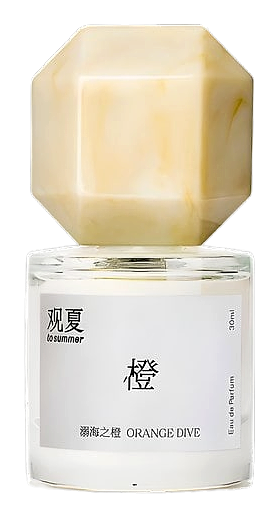
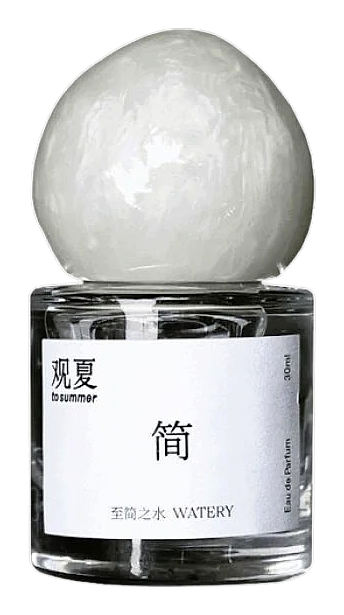
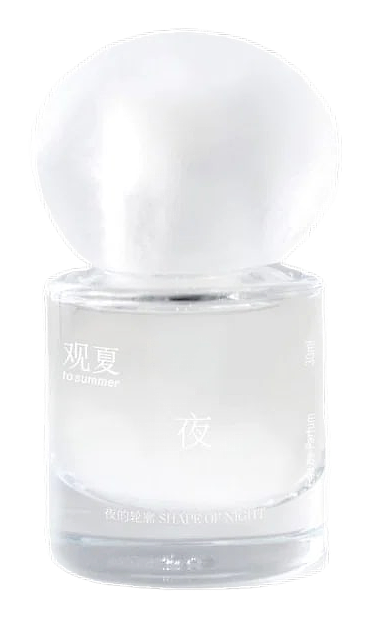
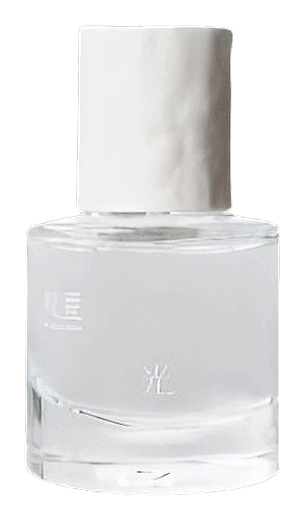
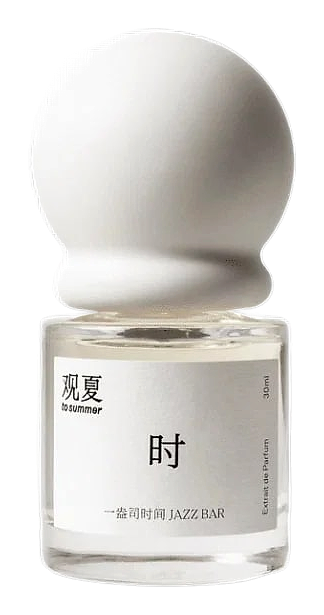
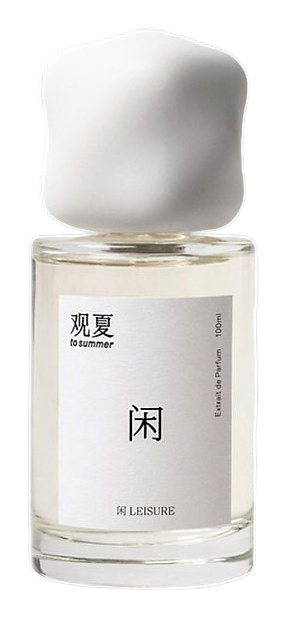
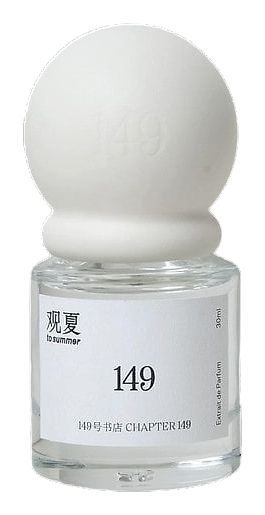
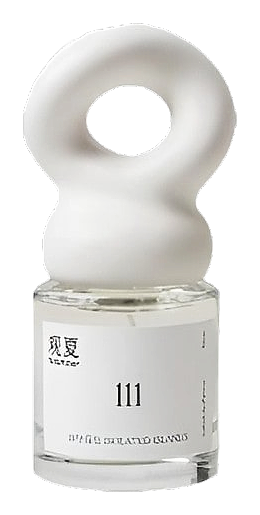
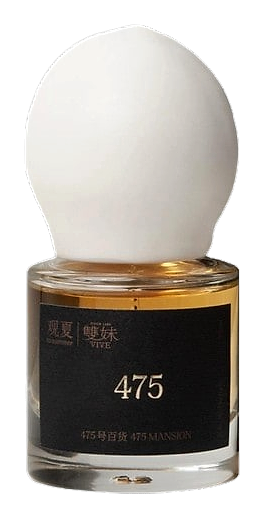
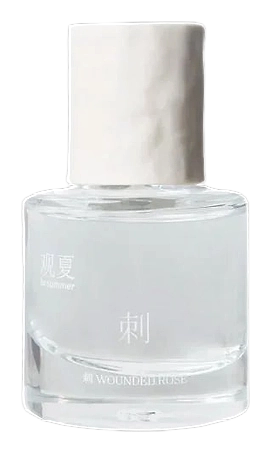
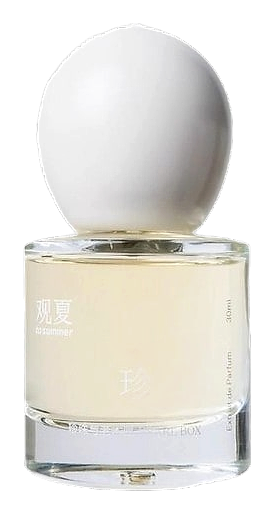
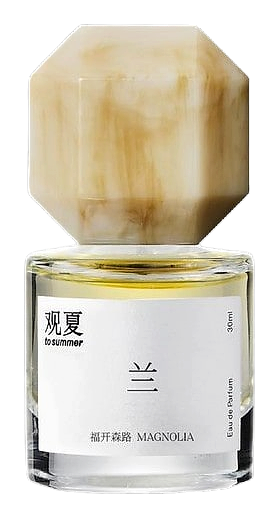
The label was founded in 2018 by Shen Li, who has spoken publicly about viewing fragrance as a bridge between memory and present experience. Early interviews describe a desire to create a distinctly Asian perfume narrative that could stand alongside Western houses while remaining rooted in local sensibilities. Within two years the brand released its first wave of fragrances, including Magnolia and Jazz Bar 一盎司的时间, which were noted in niche fragrance forums for their restrained composition. In 2021 the house expanded its portfolio with a cluster of releases—Triple Tea 三重茶, Bitters 苦尽橙, Nude 裸 and Osmanthus 颐和金桂—demonstrating a commitment to exploring both botanical and gourmand themes. The following year saw the launch of Void 空境研茶, a tea‑infused scent that highlighted the brand’s ongoing interest in traditional Chinese ingredients. A 2022 interview referenced the opening of a physical boutique in Hong Kong’s Causeway Bay, designed as a 1960s‑inspired tribute to the women of the city, though the exact opening date was not disclosed in the source. By 2025 the brand announced Seaside 光予盐, signaling a continued forward trajectory. Throughout its development, To Summer has maintained a low‑profile distribution model, primarily serving the Chinese market while gradually gaining attention from international collectors through curated online platforms. To Summer positions fragrance as a cultural document rather than a mere product. The brand’s statements, as reported in interviews with co‑founder Shen Li, emphasize storytelling rooted in Eastern heritage, with each scent intended to evoke a specific memory or place. This narrative‑driven approach aligns with a broader movement among Chinese perfumers to foreground local identity in a global market. The house values restraint, opting for clean compositions that let single notes—such as magnolia blossom or osmanthus—speak without heavy layering. Sustainability is mentioned in passing, with the brand noting a preference for natural extracts sourced from regional farms, though detailed supply‑chain data are not publicly available. Collaboration with visual artists and architects is also part of the creative process, ensuring that the olfactory and visual elements reinforce each other. The overall vision is to craft perfumes that feel both timeless and immediately relatable to contemporary Chinese life.