The Story
Why it exists.
The beginning
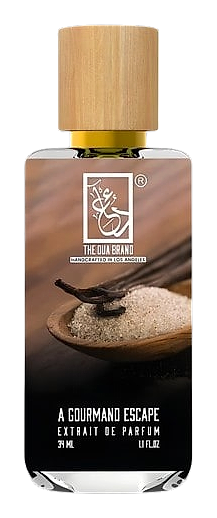
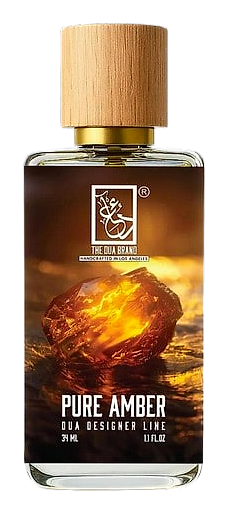
Pure Amber arrived in 2024 as a composition from The Dua Brand, and the note list is almost defiant in its brevity. Ambergris and Ambroxan, listed together, layered and let alone. No florals, no spices, no clever supporting cast. What you get is what the bottle promises, a two-material study where each note carries visible weight in the final composition. The juice itself is dense, almost syrupy in presentation, and the concentration suggests something built to linger once it meets warm skin. There's a particular appeal to wearing something this stripped back, a fragrance that trusts its materials enough to let them speak without accompaniment.
What makes this composition interesting is the character each ingredient brings on its own. Ambergris contributes a saline, almost marine lift, the kind of oceanic facet that traditional ambergris tincture is known for, carrying a cool mineral quality that contrasts with warmer amber constructions. Ambroxan brings the woody-amber smoothness, the dry warmth that modern perfumery recreated in synthetic form after borrowing from ambergris itself. The pairing creates an unusual chemistry.
The evolution
On skin, the opening belongs to ambergris and that saline lift comes through clearly, a cool, mineral edge that reads more like shoreline than perfume. As the hours pass, Ambroxan begins to assert itself and the composition warms, the salt receding into something woodier and denser. The middle hours are where the two materials stop competing and start blending. What remains is a smooth, skin-close amber that hovers just above the wrist, warm without being sweet, dry without being sharp. The drydown thins to a quiet amber trace, barely there but still present, and projection stays close rather than expansive. It doesn't fill rooms. It stays where it belongs.
Cultural impact
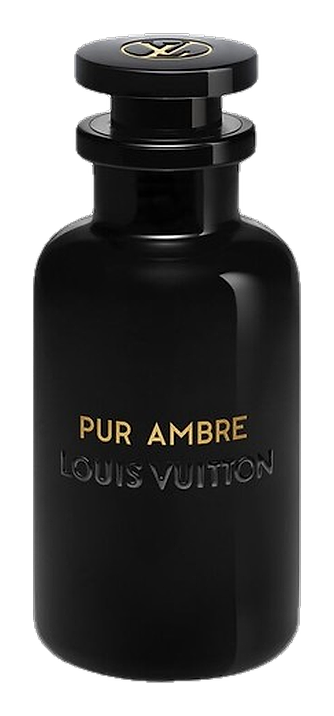
Pure Amber draws direct inspiration from Louis Vuitton's Pur Ambre, a luxury amber composition that has drawn attention in the fragrance community for its approach to amber construction. The Dua Brand's interpretation brings its own materials to that conversation, using ambergris and Ambroxan to reinterpret the amber concept at a different price point and concentration. This kind of cross-pollination between luxury and accessible fragrance has become a notable thread in modern perfumery, where collectors and enthusiasts often explore multiple versions of a single concept across different houses and price tiers.