
The Story
Why it exists.
The beginning
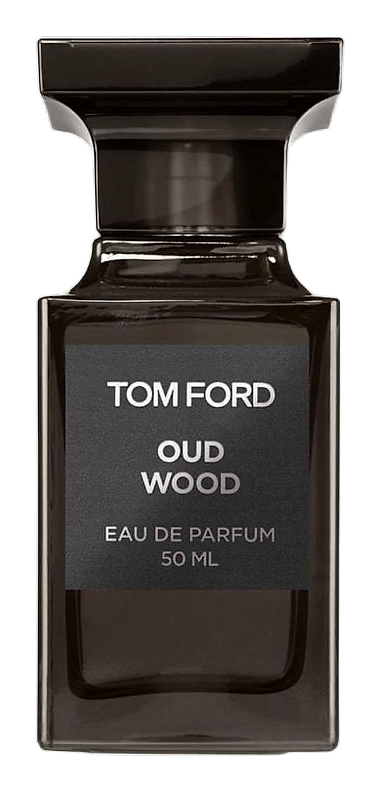
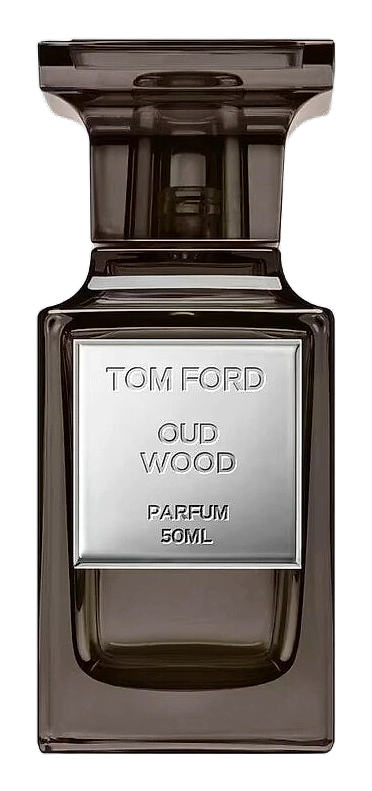
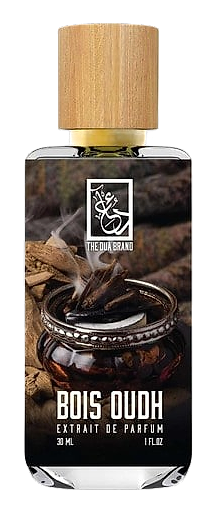
Bois Oudh emerged from The Dua Brand's earliest days in 2016, when there was a clear opportunity to take one of perfumery's most admired woody structures and make it available without the luxury surcharge. The target was Tom Ford's Oud Wood, a fragrance celebrated for making agarwood behave, for being smooth when oud typically isn't. The Dua Brand's first inspired expression didn't try to improve on it. It tried to deliver it faithfully, at a price that didn't require choosing between groceries and scent culture. There was no grand storefront or high-profile launch. The ambition was simply this: access.
The interesting thing about Oud Wood as a target isn't the oud, it's the restraint. Oud can be aggressive, barnyard, polarizing. The original smooths it into something almost honeyed, pairing it with sandalwood and tonka bean to create a warmth that doesn't argue with itself. Getting that same evenness without the original's price point is the actual trick. Bois Oudh doesn't try to reinvent the formula. It tries to match it, note by note, until the difference becomes academic. Whether that's art or arbitrage depends on who you ask. The wearers who keep coming back don't seem to care about the distinction.
The evolution
The opening hits warm and aromatic, cardamom and amber arriving together, the cardamom lifting what might otherwise feel heavy. There's a brief moment where the amber reads almost powdery before the wood arrives to take over. By the mid-stage, sandalwood dominates. Tonka bean softens the edges, adding a creamy sweetness that rounds out the spice. This is where it earns the comparison to the original, that same buttery smoothness, no sharp corners. The drydown is close, warm, resinous. Oud and amber settle into the skin rather than filling the room, the tonka bean lending a faint sweetness that lingers for hours. It's intimate and warm, a memory worth repeating.
Cultural impact
Bois Oudh is one of The Dua Brand's most discussed fragrances, built for those who wanted Tom Ford Oud Wood but couldn't justify the cost. It asks the question every fragrance enthusiast eventually confronts: what are you actually paying for? The answer isn't always what the industry wants you to hear.