The Story
Why it exists.
The beginning
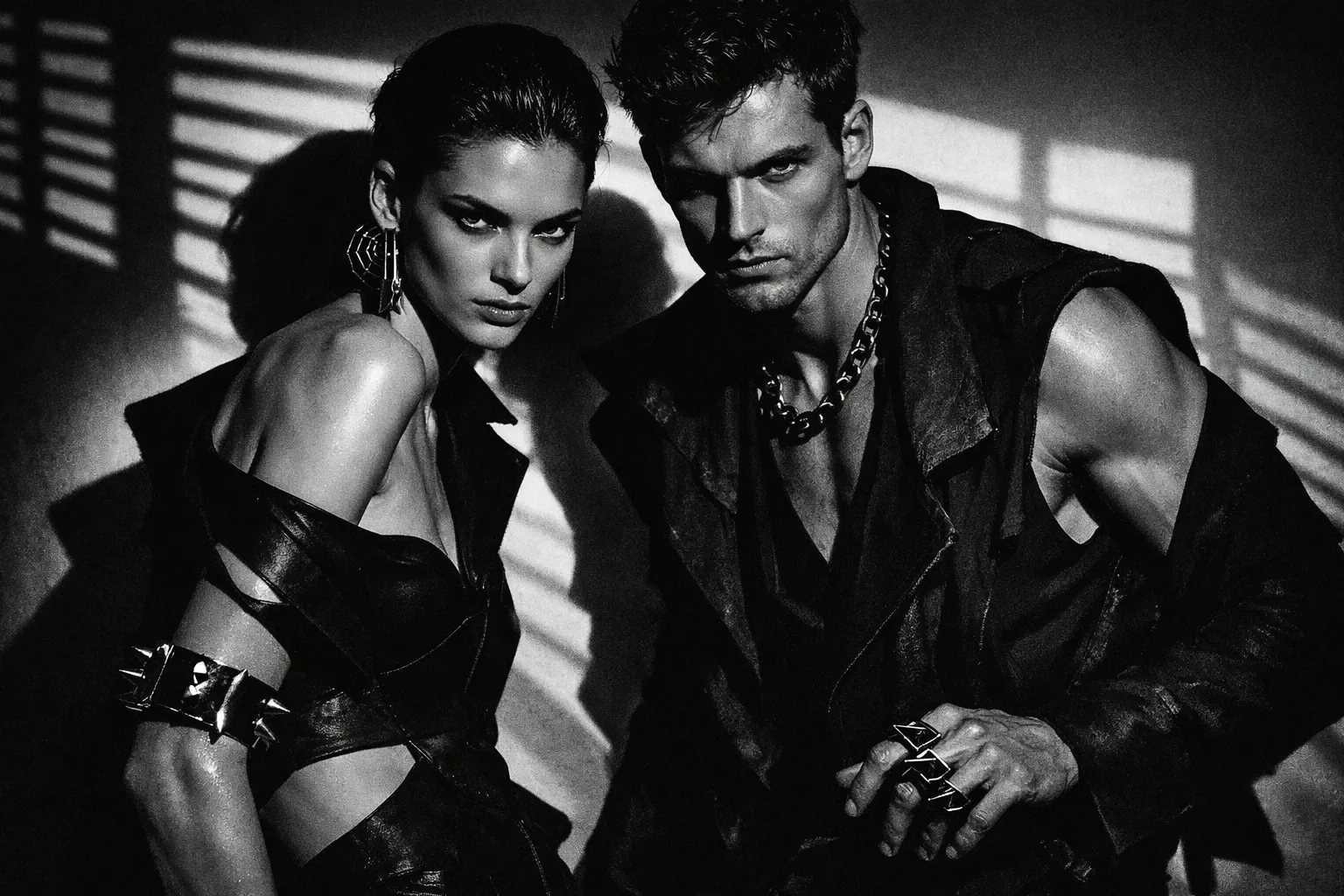
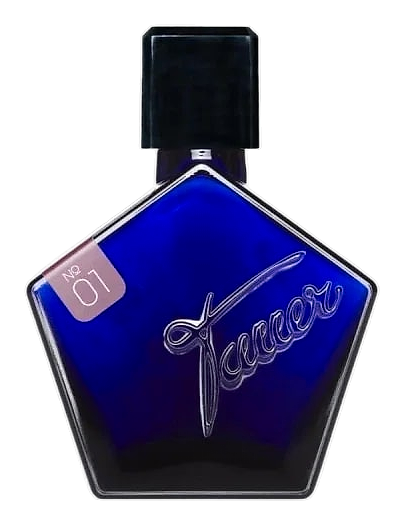
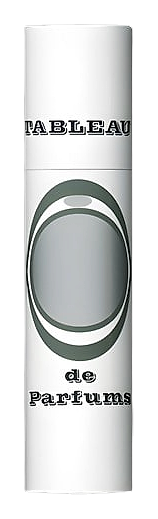
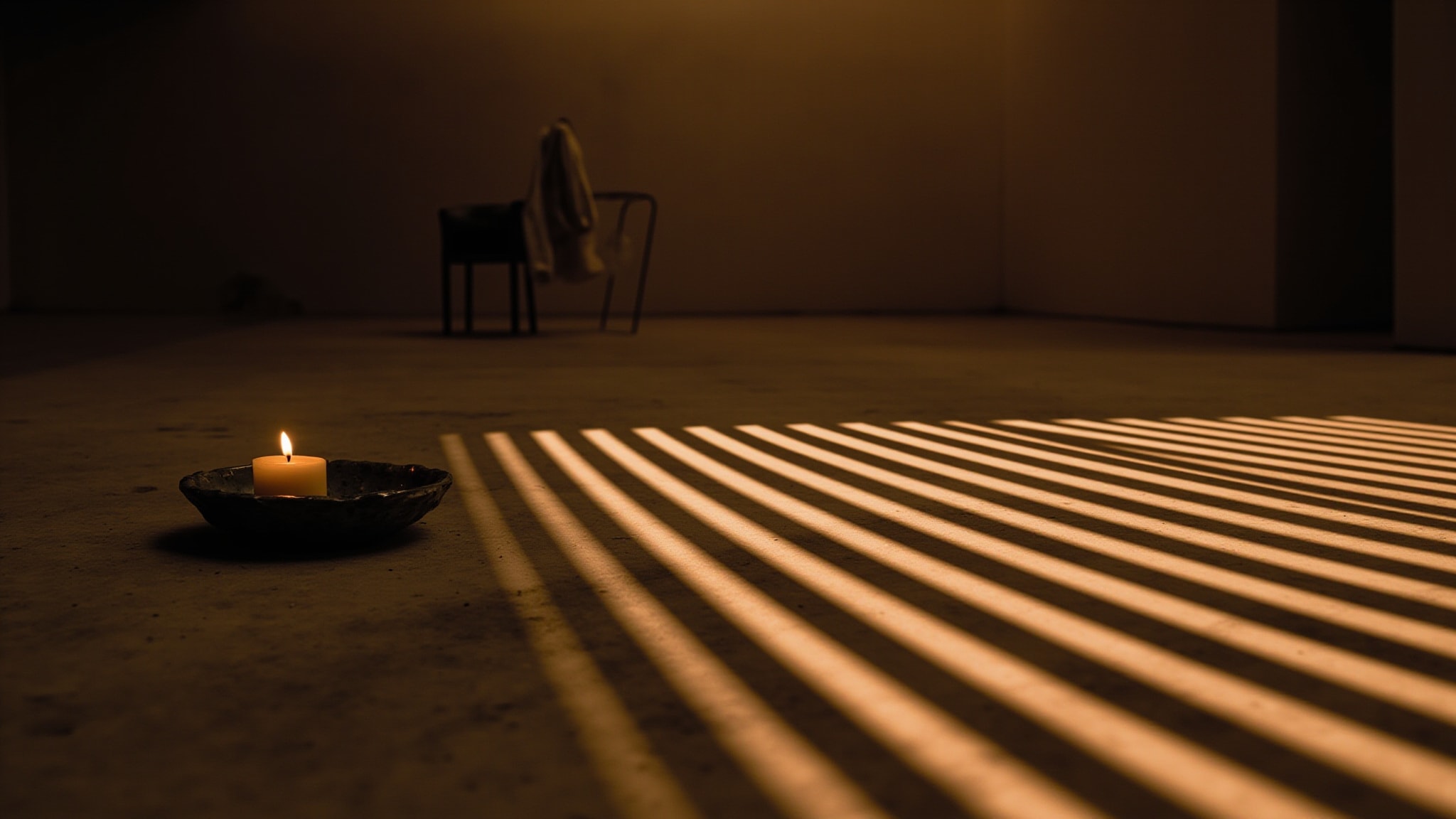
Dark Passage emerged from the Tableau de Parfums collaboration between Swiss perfumer Andy Tauer and his American partner, built around the idea that a fragrance could be a film you wear. Released in 2012 as part of the Snapshots series, smaller format, limited runs, experimental in scope, Dark Passage took its cue from film noir's signature visual grammar: the venetian blind slicing afternoon light into parallel stripes across a dim room. That contrast, sharp and muted, bright and shadowed, became the fragrance's structural logic. Not a scent that unfolds neatly. One that complicates.
The choice of viscous, near-tarry patchouli as the anchor is deliberate. This isn't the cleansed, powdery patchouli that populates most compositions, it's dense, resinous, almost unrefined. Cocoa amplifies the bitterness rather than sweetening it, while birch tar brings a smoky, slightly medicinal edge that films noir often borrowed for atmosphere. The beeswax gives it a vintage amber warmth, like a room where someone's been smoking for hours. Together, these materials create something that doesn't smell like anything adjacent on the market, it smells like a mood, a genre, a specific quality of light.
The evolution
The opening hits heavy. Thick, oily patchouli and bitter cocoa arrive simultaneously, not sequentially, the contrast is immediate, almost confrontational. No gradual warming here. Within twenty minutes, tobacco smoke begins threading through, softening the edge without diluting the darkness. The beeswax emerges around the forty-minute mark, adding a waxy amber warmth that feels vintage, like a hotel room where something happened. The drydown belongs to vetiver and birch tar, earthy, smoky, faintly animal. This is where Dark Passage earns its name. The sillage recedes to something close and personal, but the scent stays. It stays on fabric long after skin has metabolized it. The next morning, there's still a trace on a collar, a sleeve. Smoke and shadow, waiting.
Cultural impact
Dark Passage sits in a curious position: discontinued, limited, and difficult to find, yet remembered. For those who encountered it, the fragrance occupies a specific place in the niche landscape, a film-noir wearable object, experimental in format and uncompromising in character. The Snapshots series that produced it was designed as a counterpoint to the larger Tableau de Parfums portraits: handheld, fleeting, meant to capture moments rather than entire lives. Dark Passage captured something specific and never let go.