
Heritage
A house, in its own words
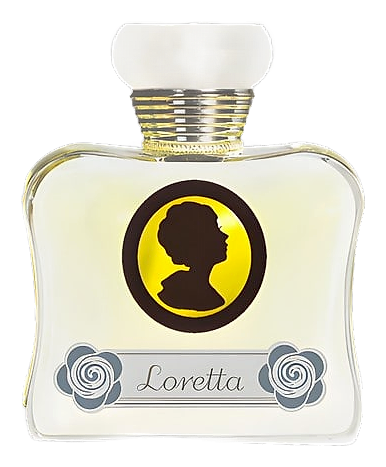
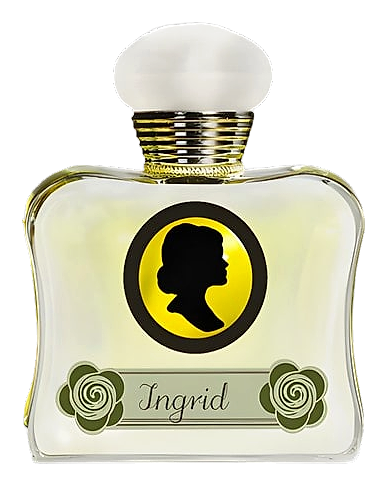
The origins of Tableau de Parfums trace to the meeting of two creative minds from different backgrounds: Andy Tauer, a Swiss perfumer who built his reputation through independent fragrance creation, and an American collaborator based in Memphis. Tauer had already established himself in the niche perfumery world before embarking on this collaborative project. The Tableau de Parfums concept emerged as an experimental approach to fragrance making, one that tied each composition explicitly to a specific film. Rather than creating perfumes with conventional marketing briefs or mass-market appeal, the collaboration pursued artistic expressions where the narrative of a film could translate into olfactory notes. The choice of Memphis as the American collaborator's base introduced a distinctly American Southern sensibility to the partnership, contrasting with Tauer's Swiss precision. Each fragrance release from the collection came with its paired film, suggesting the project was conceived as a unified artistic statement rather than separate commercial products. The collaboration appears to have been active primarily between 2011 and 2013, during which four fragrance-film pairings were released. Documentation of the project is relatively sparse in mainstream fragrance media, suggesting it functioned as a niche artistic endeavor rather than a widely distributed commercial brand. The relationship between the two collaborators, the circumstances of their meeting, and the precise nature of their ongoing involvement remain largely undocumented in available sources. Tableau de Parfums operates on a philosophy that treats fragrance as narrative medium rather than mere aesthetic product. The fundamental premise links each perfume explicitly to a film, creating a cross-disciplinary artistic dialogue between two very different sensory experiences. This approach suggests the collaborators believed scent could convey the emotional landscape, atmosphere, and storytelling elements typically associated with cinema. The pairing concept implies that both the film and the fragrance share thematic or emotional resonance, inviting wearers to experience one through the lens of the other. Andy Tauer, whose independent perfumery work is characterized by bold, unconventional compositions, likely contributed his distinctive approach to fragrance construction within this collaborative framework. The involvement of a Memphis-based collaborator suggests the project may have drawn creative energy from American Southern culture, film traditions, or regional artistic sensibilities. The limited release of four fragrances over a concentrated period indicates a focused, quality-over-quantity approach to creation. Rather than pursuing broad market distribution, Tableau de Parfums appears designed as an artistic statement, appealing to collectors and enthusiasts who appreciate unconventional approaches to perfumery. The project reflects a philosophy where fragrance creation becomes a form of cultural interpretation, translating one artistic medium into another.