
The Story
Why it exists.
The beginning
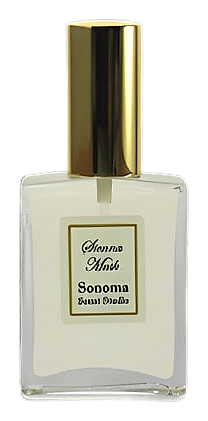
Laurie Erickson has said mandarin and clementine are her favorite citrus oils, not an abstract marketing choice, but a genuine preference that found its way into the work. When she set out to build Sienna Musk in 2008, she brought that affection into the composition deliberately, pairing the fruit's warmth with the spices she wanted to explore. The mandarin does not perform. It simply smells like what the perfumer reaches for first. That kind of honesty runs through the entire structure.
The challenge with spiced woody compositions is sweetness, not the sugar of confection, but the particular warmth that reads as sweet when it doesn't mean to. Erickson identified this as the central design problem: sweetness varies so widely across skin types that what smells balanced on a test strip can tip fast on a warm body. The mandarin solves this structurally, bringing a fruit oil that rounds sharp spice without adding confection weight. Clove and cardamom arrive in the opening and hold for the first act, then cede the stage to cedar and sandalwood as the musk rises underneath. It is a three-part conversation, and each voice knows when to stop talking.
The evolution
The opening arrives quickly, mandarin oil's citrus brightness opens alongside clove and cardamom, a sweet-spice combination that hits immediately. Within minutes the mandarin softens, becoming less fruit and more warmth, while the spice notes deepen and the cedar begins its slow climb. The middle act is where Sienna Musk earns its name: sandalwood's creaminess and Virginia cedar's dry woodiness layer under a musk that reads powdery rather than animal. This is not the bold cedar of a cologne. It is cedar that has been worn in, softened at the edges, comfortable in its own presence. The drydown is the longest phase, four to six hours on most skin types, where the woods and musk remain close and intimate, projecting only enough for someone standing beside you. On fabric, it lingers into the next day as a faint, warm trace.
Cultural impact
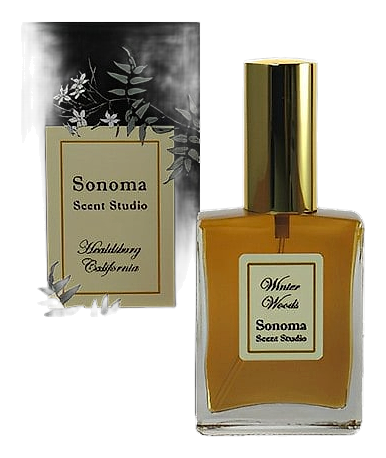
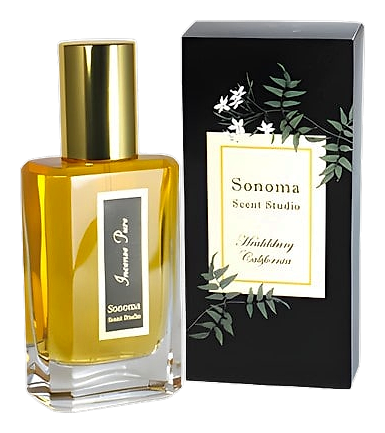
Sienna Musk arrived in 2008 during a pivotal shift in the niche fragrance world, when independent perfumers began challenging the dominance of commercial luxury houses. Sonoma Scent Studio, founded by Laurie Erickson in 2006, positioned itself within this indie wave, offering an alternative to both vintage oriental heavyweights and the minimalist fragrances that dominated the early 2000s. The 2008 composition reflected a broader cultural moment when consumers began seeking authentic, craft-oriented products over mass-market branding. Sienna Musk's warm spice-and-wood structure represented the approachable end of the oriental spectrum, making niche perfumery accessible to those intimidated by extreme ouds or animalic musks.