The Story
Why it exists.
The beginning
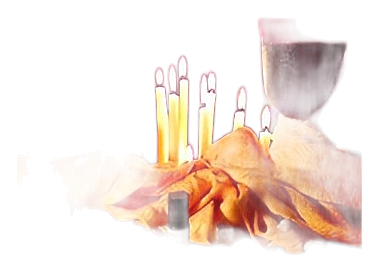
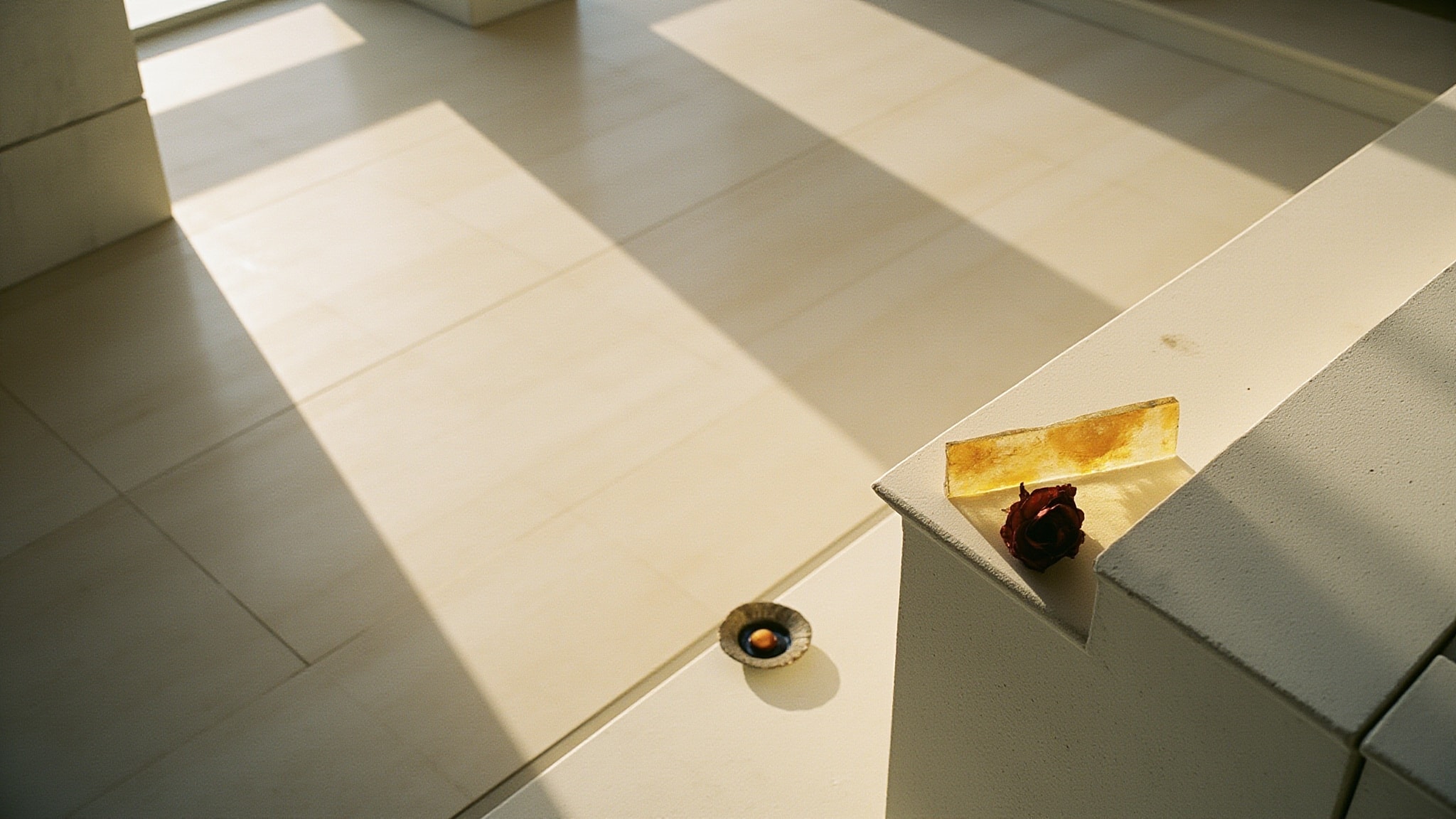
Angela St. John built Monastic in 2019 around a single image: the interior of a stone chapel, empty, late in the day, where cold walls meet the lingering warmth of spent candles. The composition is deliberately austere. No bright citrus, no gourmand sweetness, no modern flourishes. Just rose, resin, and the hush of enclosed space. The formula strips away every concession to approachability. There is no vanilla smoothing the edges, no bergamot lifting the top, no musk softening the landing. What stays is the architecture of devotion itself: the quiet authority of stone, the slow burn of incense, and a single rose that refuses to behave like a flower. The name does most of the work. Monastic. Not romantic, not theatrical, not designed to be smelled across a room. Angela St.
What makes Monastic unusual is the sheer density of its resin work. Labdanum, Omani frankincense, Peru balsam, and myrrh form the spine, with spikenard and patchouli anchoring the base. The rose absolute holds its place inside that resinous architecture without softening it. There's no sweetness to cushion the impact. The result reads less like a floral and more like an architectural study in scent: load-bearing resins, a single rose as the focal point, and the cold mineral impression of stone holding everything together. Each material carries weight.
The evolution
The first hour is the loudest it gets, and even then it's not loud by conventional standards. The mist note produces a cool, slightly damp atmosphere that smells closer to fog rolling through a stone cloister than any traditional top-note moment. The rose absolute surfaces within the first 15 minutes, but it arrives already darkened by labdanum, never reading as a fresh-cut flower. It smells like rose petals that have been pressed into old wood and forgotten in a drawer for a season. The frankincense weaves through both the opening and the early heart, providing a sharp, almost mentholated thread that never fully disappears, even as the composition darkens around it. By the two-hour mark the resins take over completely. Peru balsam and myrrh thicken the composition, pushing the rose into a supporting role.
Cultural impact
Monastic sits at the contemplative end of the rose-resin category. It carries a devotional weight that recalls the heavy liturgical incense of cathedral services rather than the airy florals of garden roses or the jammy sweetness of Bulgarian soliflores. The composition reads closer to a piece of religious art than a romantic gesture, something closer to an altarpiece than a love letter. Wearers drawn to it tend to be people who already own several roses and are looking for something that takes the note seriously rather than treating it as decoration.