The Story
Why it exists.
The beginning
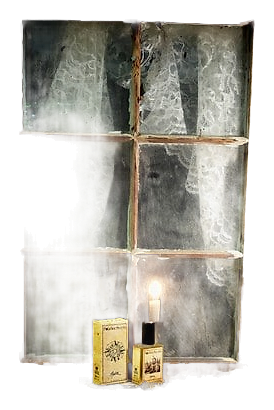
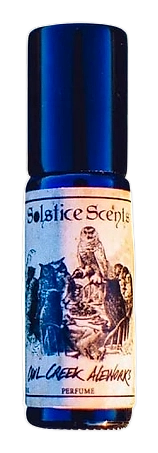
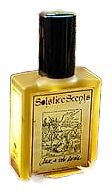
Jack and the Devil arrived in 2010 from the studio of Solstice Scents, composed by Angela St. John. The brand had been growing through the 2000s, and by the time this fragrance was released it had settled into a catalog built around concentrated perfume oils, with compositions released in small, carefully measured amounts suited to the indie perfume oil format. Jack and the Devil was part of that catalog, an autumn composition built around sugared pumpkin and dried tobacco leaf, with patchouli, oakmoss, amber, and vanilla rounding out the structure. The name plays on the old folk-tale tension of mischief and harvest, and the brand's tagline of trick, part treat, gives that duality a wink. It remains in production more than a decade later, which in indie perfumery is its own kind of proof.
What makes Jack and the Devil worth examining is the way it holds two opposing impulses in suspension. The gourmand side pulls toward pumpkin pie and warm baking spices, all sweetness and nostalgia. The patchouli-tobacco-oakmoss backbone pulls toward something earthier, older, almost liturgical. The composition resolves that tension through amber, which wraps the blend and keeps the sweetness from drifting off on its own.
The evolution
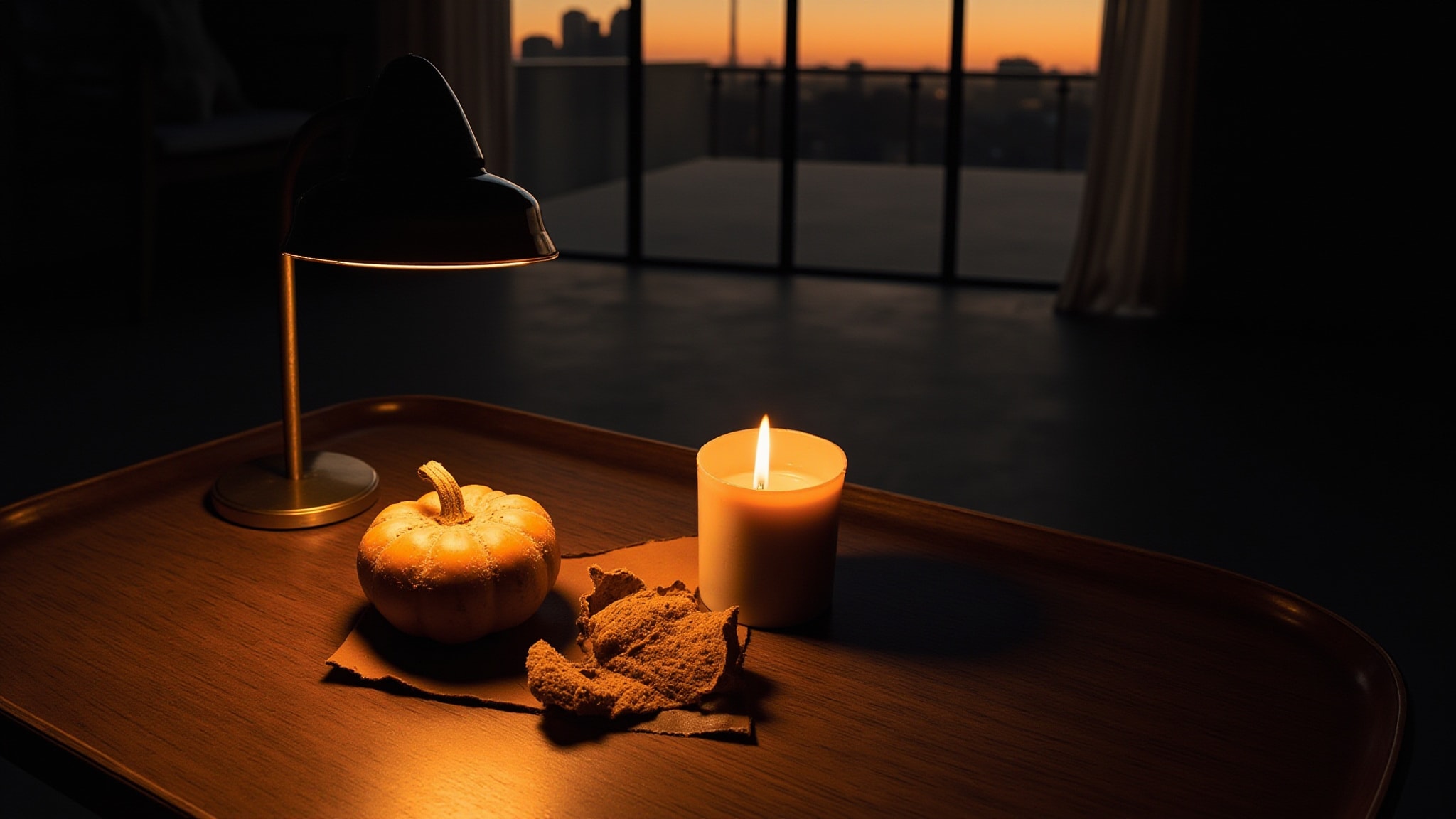
On cold sniff, the pumpkin and vanilla arrive first, sweet and almost confected, the kind of opening that makes you think of holiday candles. That sugary impression holds through the early stretch of the wear, with spices flickering underneath and patchouli hovering at the edges, waiting for its turn. As the opening softens, the tobacco leaf and aged patchouli push forward, and the composition darkens considerably. This is the phase where the fragrance stops being a bakery and starts being something more like an autumn evening, lit, spiced, slightly damp. The patchouli here is not the sharp, green material of a 1970s head shop but something rounder, almost chewy, with a fermented depth that reads closer to damp earth than to anything cosmetic.
Cultural impact
Jack and the Devil has earned a following among collectors who treat autumn fragrance as a seasonal ritual. It sits in the brand's catalog as a reference point for what an autumn gourmand can be, sweet enough to feel like indulgence, earthy enough to avoid the heavier pitfalls of the genre. Wearers tend to reach for it when the temperature drops and the light shifts, and it has become something of a staple for anyone whose fragrance wardrobe follows the turning of the year. The perfume has also picked up a kind of crossover audience, drawing in people who do not typically wear gourmands but respond to the tobacco and patchouli backbone.