The Story
Why it exists.
The beginning
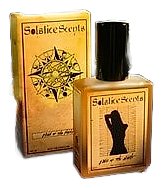
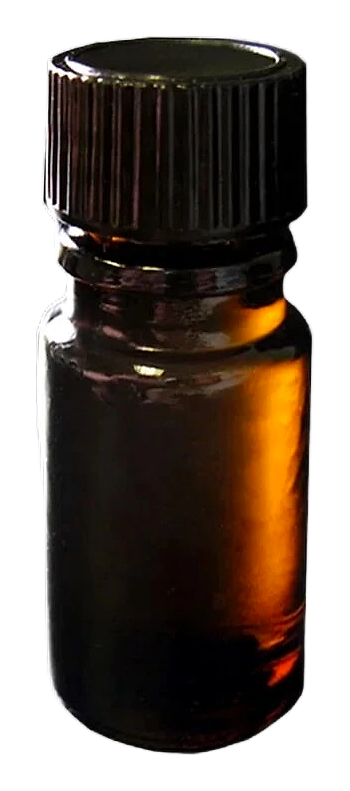
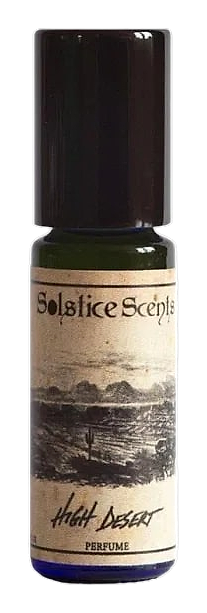
Angela St. John released High Desert in 2013, and the name does the work upfront. This is a scent built around the American Southwest, the kind of landscape where elevation strips everything back to bone-dry resin, scorched herbs, and minerals baked into the soil. High Desert reads as one of her most uncompromising place-portraits. Just the slow erosion of sun, sage, and stone rendered in oil. The composition leans on materials with weight: copal resin lending a dense, smoke-like intensity, Indian sandalwood for warmth without sweetness, and mitti attar to capture that specific scent of dry earth after a rare desert rain. There's nothing diluted about the opening, nothing rounded off for easy wearability.
What sets High Desert apart is the inclusion of mitti attar, a material that brings a baked-earth minerality uncommon in mainstream perfumery. It lends a dry, earthy depth that grounds the greener, smokier elements and gives the composition its unmistakable terrestrial pull. Pair that with nagarmotha, a root with a leathery dryness, and the composition pulls toward something genuinely grounded in place.
The evolution
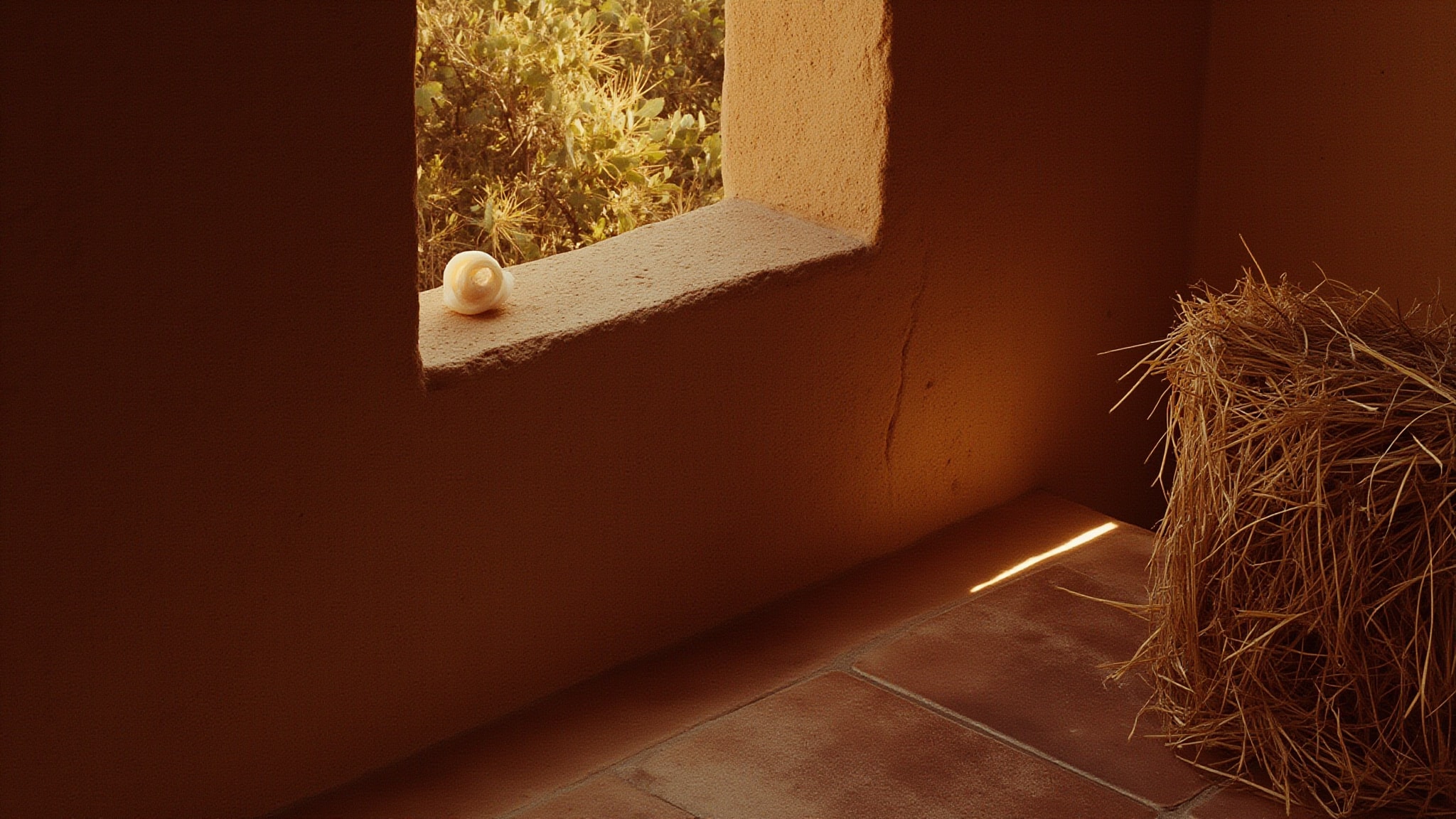
The first 30 minutes are where High Desert announces itself. Copal resin and white sage dominate, with that incense-like smoke curling up sharp and almost confrontational. There's green here too, the cactus and sweet clover lending a faintly vegetal sweetness that keeps the smoke from going acrid. Around the 1-hour mark, the composition pivots. The smoke softens, the Indian tobacco and hay step forward, and the mitti attar starts doing its strange mineral work. You get something that reads like the memory of moisture in baked clay without any actual rain. By hour 3, the base materials settle into their final argument: sandalwood for warmth, labdanum for that amber-resinous undertone, muhuhu adding a woody dryness, and the red musk threading everything together in a persistent low register.
Cultural impact
High Desert occupies a distinctive place in modern niche perfumery, a composition that uses mitti attar and copal with a directness most desert-themed releases avoid. It rewards the wearer more than the room, a mood piece that pulls you into a place rather than projecting outward for compliments. The fragrance reads as landscape art, something that recedes into atmosphere and stays there, quiet but persistent. There's a contemplative weight to it that sets it apart from lighter, more commercial desert scents. You reach for High Desert when you want your scent to feel like terrain, not accessory.