The Story
Why it exists.
The beginning
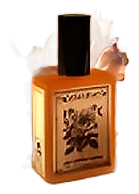
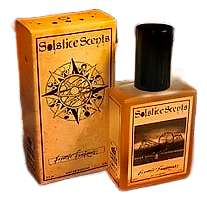
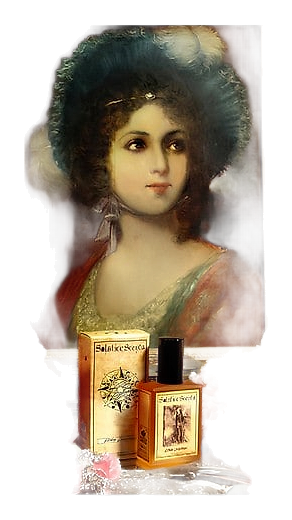
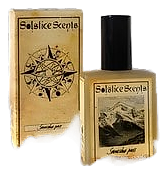
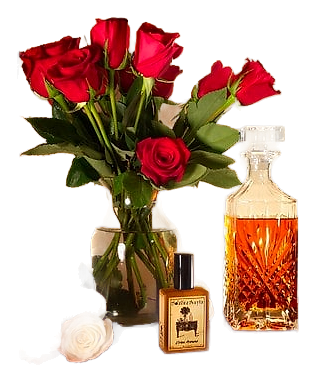
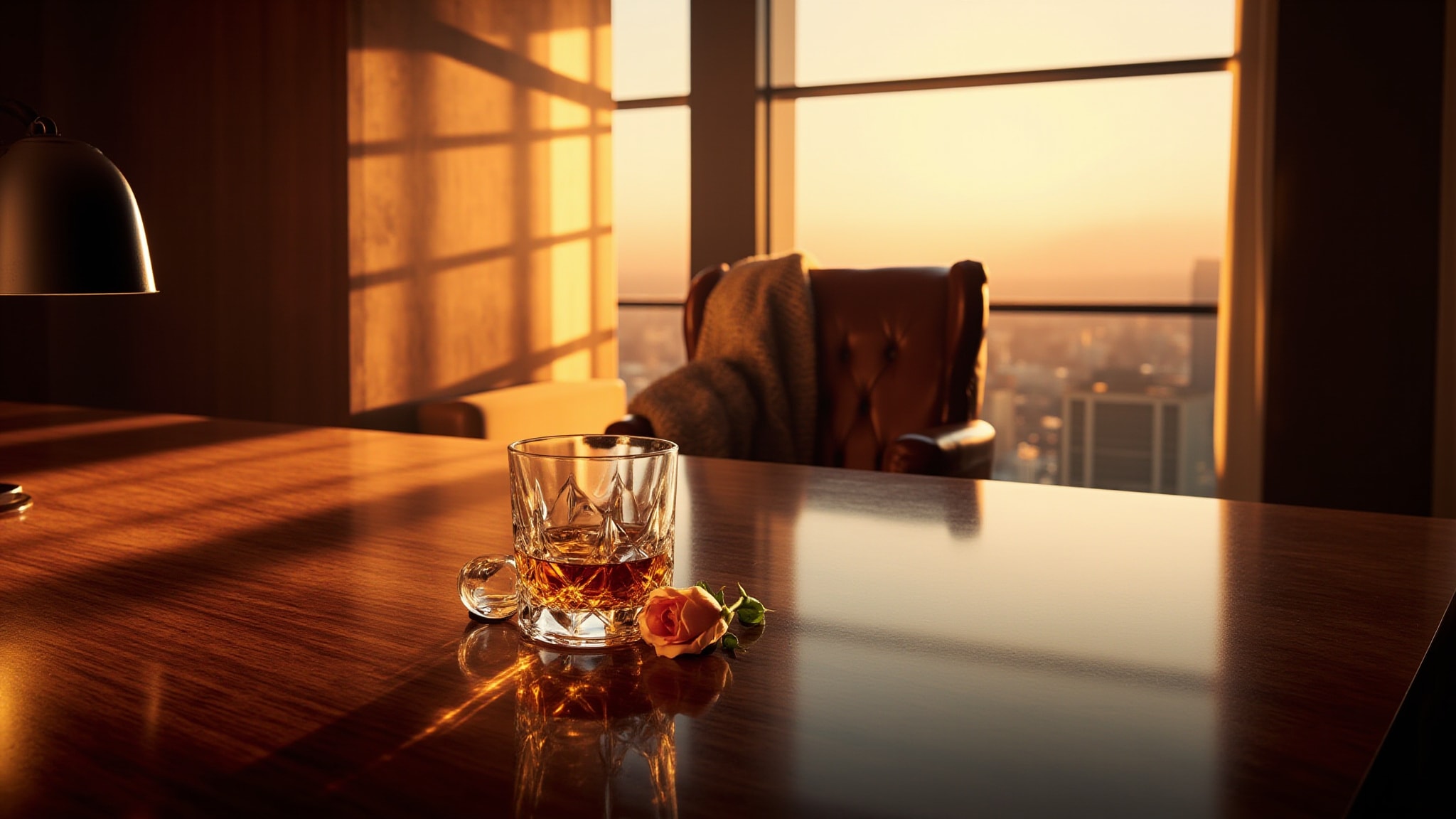
Estate Rosewood arrived in 2016 from the studio of Angela St. John, the perfumer behind Solstice Scents' quietly obsessive catalog. The house is known for shaping small-batch compositions with a patient, material-first sensibility, and Estate Rosewood sits comfortably within that body of work. At its center is the brand's Estate Vanilla, a rich base accord that gives the composition its custardy sweetness without overwhelming the woods. To that vanilla foundation, Angela layered tea rose, oak casks, tobacco, bourbon, rosewood, and hinoki wood. Each material takes its turn, then settles into the next, building a composition that borrows its atmosphere from old furniture, warm rooms, and the kind of evening where nobody checks the clock.
What makes Estate Rosewood unusual is its refusal to choose between gourmand sweetness and dry woodiness. The Estate Vanilla base does the heavy lifting, rich and custardy, but the rosewood and hinoki keep it from tipping into pure dessert. The bourbon reads as something warm and rendered, with slight caramel and raisin undertones that soften the sharper edges of the spirit. Solstice Scents sources sustainably-grown sandalwood at the heart, which adds a creamy warmth that bridges the floral and the woody notes with a smooth, almost milky glide.
The evolution
The first thirty minutes are where Estate Rosewood announces itself loudest. Tea rose and sweet vanilla open together, with bourbon underneath lending a warm, almost caramelized glow. Tobacco drifts in at the edges, aromatic and dry, not smoky. There's a faint trace of spice in the opening, just enough to keep the sweetness from going flat. The rosewood arrives quickly, with its lemony, slightly tea-like quality, giving the composition a polished furniture feel. By the two-hour mark, the Estate Vanilla has pushed forward and the bourbon has mellowed into something closer to spiced oak. The sandalwood emerges at the heart, creamy and unhurried. After four to five hours, what's left is a warm, golden drydown: vanilla, spent oak casks, a wisp of tobacco, and woods. No powdery amber, no synthetic sharpness. Just the quiet residue of a room that held something good.
Cultural impact
Estate Rosewood has earned its place through the particular atmosphere it creates rather than through any single standout note. The combination of tea rose, antique rosewood, and rendered bourbon gives it a distinct, almost furniture-polish character that separates it from the more typical vanilla-dominant releases in the wider fragrance landscape. The fragrance leans into a warm, woody gourmand profile, but the careful balance of woods and floral keeps it from feeling overly sweet or syrupy. Tea rose adds a nostalgic, slightly powdery lift that keeps the composition feeling alive even in its quietest moments.