The Story
Why it exists.
The beginning
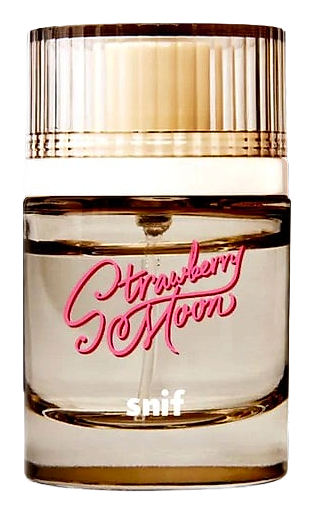
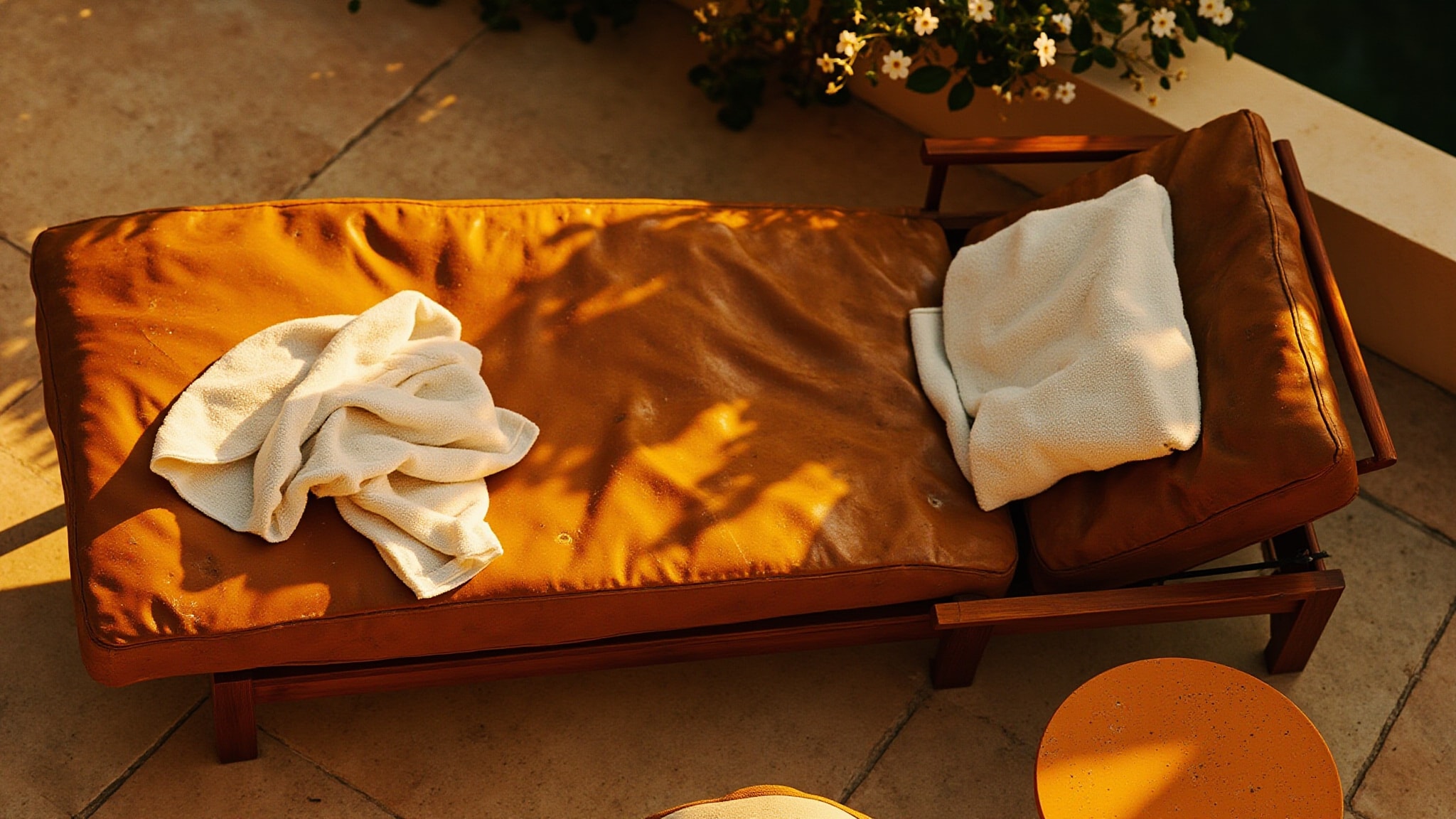
The Goodtime Hotel's retro swim club in South Beach gave Strawberry Moon its compass. Perfumer Ugo Charron built the fragrance around that tension, bright florals meeting sun-warmed leather. The composition balances fresh citrus brightness with a grounded, tactile base that evokes the feeling of late afternoon light on polished surfaces. Limited edition, released in 2022.
What makes Strawberry Moon unusual is the leather placement. In most fragrances, leather arrives late, anchoring the drydown. Here, it starts alongside the jasmine, sun-tanned from the first spray, not acquired later. The bergamot and pink pepper keep the florals from going heavy, while the vetiver and iris in the base add a powdery earthiness that stays close to the skin. The combination creates a fragrance that reads differently at arm's length than it does inches away.
The evolution
The opening hits bright, bergamot first, then jasmine settling in like warm air. Within the first hour, the leather surfaces. Not heavy, not aggressive. Worn. The saffron and pink pepper add a warmth that keeps the florals from floating away. By hour two, the jasmine has softened and the drydown takes over: vetiver, iris, and amberwood doing the quiet work of staying close. On some skin, the iris lingers into the next morning. The fragrance unfolds in clear stages, each phase distinct yet connected, so the transition from the bright opening through the textured heart into the deeper drydown feels inevitable rather than abrupt.
Cultural impact
Strawberry Moon arrived as a limited edition in 2022, riding a wave of renewed appetite for leisure, warmth, and social connection. The fragrance captures a specific feeling, the post-quarantine moment when people were ready to gather again and rediscover the simple pleasure of being together. The scent has a nostalgic undertone without feeling dated, blending contemporary freshness with something that speaks to longer, unhurried afternoons. It found its audience during a cultural shift, becoming part of conversations about what people wanted from their sensory experiences after time spent apart.