The Story
Why it exists.
The beginning
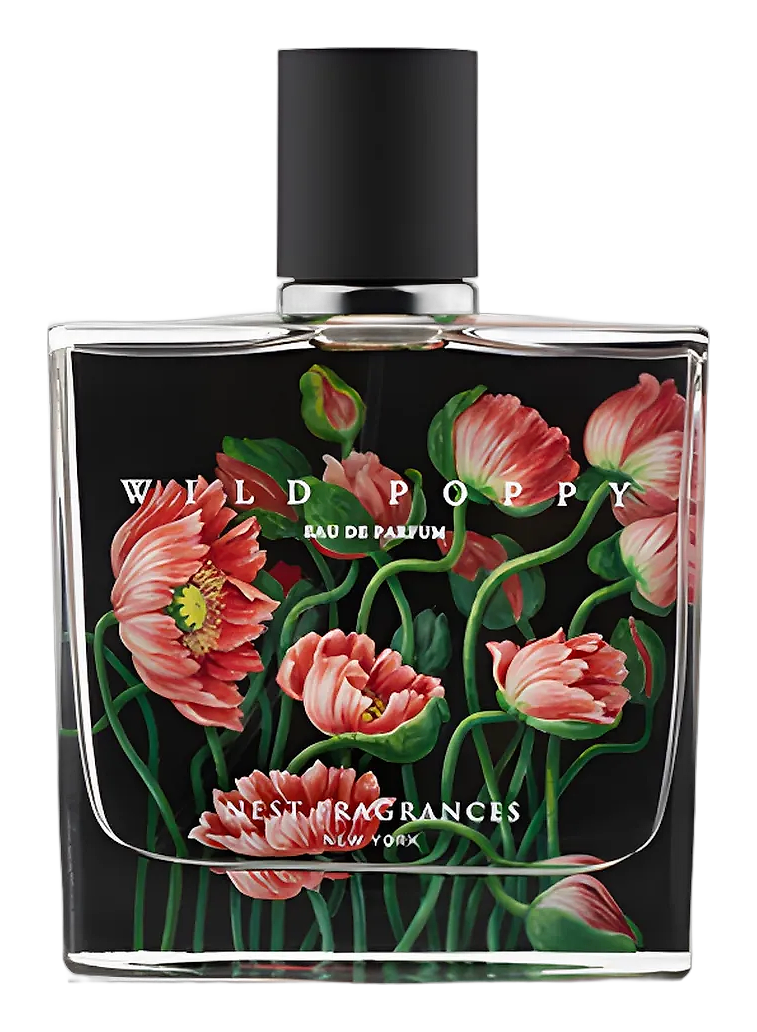
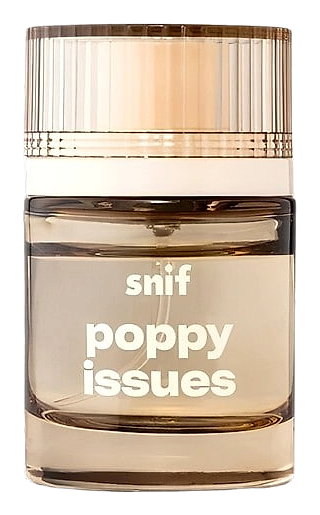
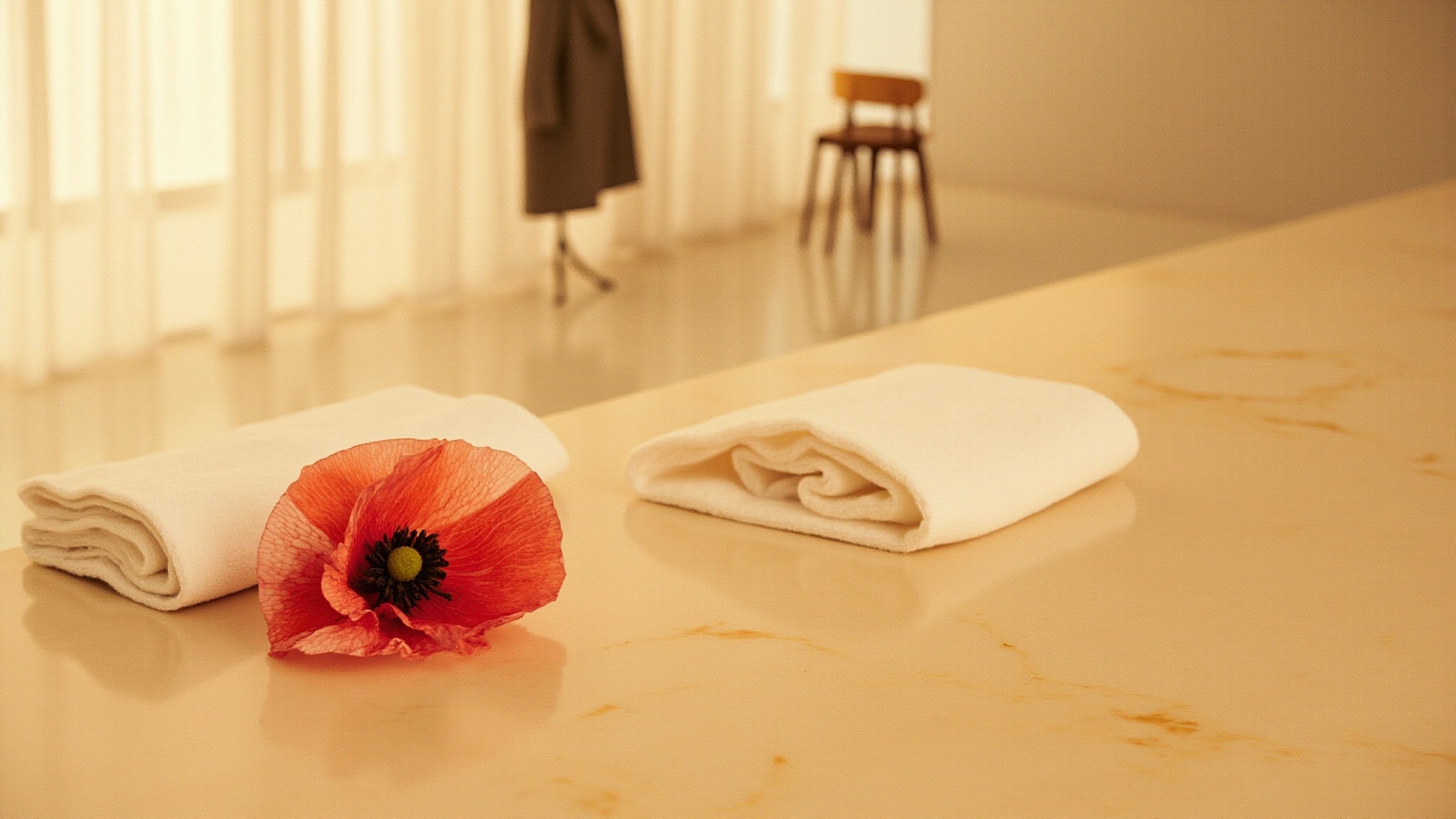
The name says it all. Poppy Issues leans into the red poppy flower, an herbal, slightly camphorated note that mainstream perfumery rarely touches. Where most florals reach for rose or jasmine, this one goes somewhere else entirely. The interplay between warm plum sweetness and the poppy's bitter edge creates an unexpected tension. Add saffron, warm, honeyed, just slightly medicinal, and the result is a fragrance that promises comfort but delivers something stranger, more alive. The yellow florals soften the edges into powdery warmth, but underneath there's always that slight prick of something real.
The red poppy is the key. Not the dried petals of the opium poppy, a different species entirely. But the note carries the same herbal, camphorated character that makes it read as almost medicinal next to traditional florals. Combined with plum's jammy depth and saffron's warm spice, it creates a sweet-floral composition that isn't afraid of its own edge. The yellow florals, marigold and mimosa, do the softening work, bringing powdery warmth that makes the whole thing feel feminine and approachable. But the poppy's bitterness never fully disappears. It's the tension that makes this work, sweet enough to comfort, strange enough to remember.
The evolution
The opening hits plum first, deep, jammy, immediately sweet. Then the red poppy arrives with its herbal, slightly camphorated edge. The two don't quite agree, and that's the point. French tagetes adds a green, almost bitter quality that keeps the sweetness from taking over. There's a musk underneath, warm and skin-close, but it doesn't announce itself yet. The heart is where the composition deepens. The red poppy and plum become richer, more jammy. Marigold and mimosa layer in that powdery yellow floral quality, soft, feminine, the kind of warmth that feels like a powder room. Amberwood adds woody warmth. The musk anchors everything, keeping it close to the skin. The drydown is where it settles. Amberwood and musk dominate, with just a trace of saffron's warm spice. The mimosa rounds the edges, soft and powdery. There's a faint sweetness from the plum, like it's been absorbed into the skin. It stays close, intimate, lasting into the evening. Moderate sillage means it never really fills the room, but those nearby will notice.
Cultural impact
The red poppy has long held symbolic weight in art and literature, representing remembrance, sacrifice, and passionate beauty. In perfumery, however, it remains startlingly rare. Most mainstream fragrances lean on rose, jasmine, or tuberose, leaving poppy as an underused gesture toward something wilder. Snif's decision to build an entire fragrance around red poppy places the brand within a broader movement of indie and niche houses pushing back against floral predictability. The combination with plum and saffron draws from Middle Eastern perfumery traditions where warm, jammy fruits meet exotic spices. French tagetes adds a garrulous herbal lift that most Western consumers have never encountered, making this a genuinely educational scent experience.