
The Story
Why it exists.
The beginning
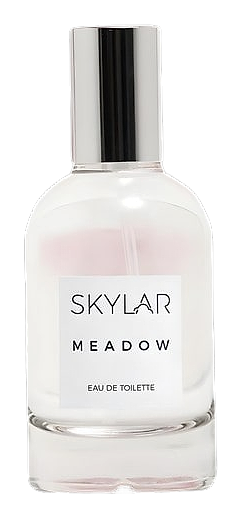
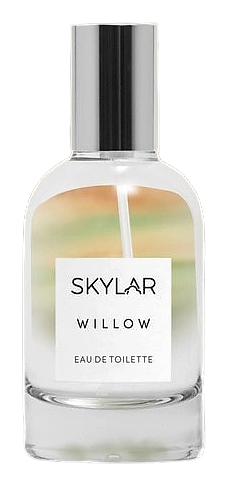
Skylar launched in 2017 with a straightforward idea: fragrance shouldn't come with a list of warnings. Cat Chen built the brand after her infant daughter reacted to conventional perfume ingredients, and that practical concern shaped everything, the hypoallergenic base, the vegan and cruelty-free standards, the clean chemistry approach that the brand calls home. Sarah Horowitz-Thran designed Willow in 2018 as a response to the noise. Not noise as in sound, noise as in complexity, projection, the performance of scent. She wanted something that felt like a morning forest: clear, quiet, present. The name came first. Then the notes built themselves around it.
Galbanum is an underused material, a resin with a green, almost medicinal freshness that smells like the air before rain arrives. Cedar brings warmth and structure, a wood that softens as it settles rather than sharpening into something demanding. Benzoin anchors the whole thing with a balsamic sweetness that feels almost skin-like, as if the wearer has been standing among trees long enough to carry them. Three materials. Each one earning its place. The restraint isn't accident, it's the point. Willow refuses to shout.
The evolution
The opening arrives cool and immediate. Galbanum hits bright, that sharp green bite that registers somewhere between cut stems and morning air. It stays there for thirty minutes, maybe forty-five, before cedar begins to assert itself, warm, quietly woody, the handoff from sharpness to softness happening without fanfare. The drydown is where this fragrance reveals itself. Benzoin emerges slow, resinous and faintly sweet, the kind of warmth that doesn't announce itself. By the third hour, it's skin-close and intimate, the kind of presence you notice only when you're close enough to hug someone. On fabric, it lingers longer, a ghost of green wood that never quite disappears.
Cultural impact
Willow arrived during the quiet luxury movement that reshaped fragrance preferences in the late 2010s, positioning itself against louder, performance-driven scents. Its clean-fragrance ethos tapped into growing demand for ingredient transparency and hypoallergenic products. Galbanum, a material with roots in classical perfumery, found renewed purpose here as brands explored green complexity without synthetic overload. Skylar built its identity on transparency, making Willow part of a broader conversation about what goes into fragrance and why it matters. The 2018 launch coincided with increased scrutiny of traditional perfume chemistry, giving clean brands cultural relevance. Willow helped normalize the idea that restraint could be intentional, not a limitation.