
The Story
Why it exists.
The beginning
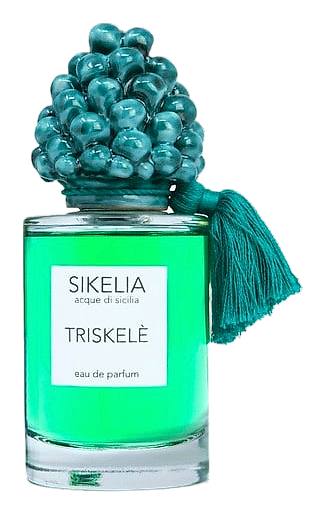
The triskelion, a three-legged spiral motif carved into ancient thresholds and sacred stone, has turned through centuries of Sicilian history, a symbol of motion, return, and cyclical forces that shape a landscape between sea and myth. For the creator of this fragrance, the question was simple: what does a spiral smell like? Not literally, but in the way that symbols translate into sensation. The answer arrived in materials the island has always produced in abundance: herbs from the hills, pressed fruit from hillside cellars, resinous elements dried in coastal air. These form the aromatic vocabulary of the fragrance, each ingredient chosen for its ability to evoke the place rather than merely reference it. The name Triskelé does not explain the fragrance.
What makes Triskelé unusual is structural, not just aesthetic. Wine and grapes as a founding note, not a cameo, not a whisper, but the opening move, requires the other elements to do real work. Rosemary's camphor-laced bite keeps it from becoming cloying, while petitgrain's bitter citrus prevents it from flattening into something merely sweet. The heart then has to justify that choice. Patchouli and myrrh deepen the ferment into resin, shifting the wine from fresh grape toward aged, balsamic, almost vinegar-dark.
The evolution
The opening is fast and green. Rosemary arrives within seconds, sharp, camphor-laced, Mediterranean in the truest sense. Beneath it, red wine unfolds in an acidic rush. This is not a polite fruit note. It is fermented, almost vinegary, with the sweetness of grape only barely present. Petitgrain complicates things further: bitter orange leaf that makes the whole opening smell like a market stall where someone left a wineglass next to a crate of herbs. Some people stop here. Those who stay enter a different fragrance. The heart belongs to patchouli and myrrh. The patchouli is green and slightly camphoraceous, not the earthy, chocolate-dark patchouli of the 1970s but something leaner, more Mediterranean. Myrrh adds a dark balsamic weight that anchors the wine without sweetening it. The wine note does not disappear. It deepens, becomes less about fruit and more about the fermented, slightly acidic character of aged wine. On some skin, this phase lasts three to four hours. On most, it carries through the first half of the wear. The drydown arrives quietly.
Cultural impact
Community response to Triskelé is divided. Some find the combination of wine and rosemary confrontational to the point of being unwearable, while others describe it as one of the most distinctive openings they have encountered. What is not in dispute is that it is memorable. In the broader context of Italian niche perfumery, Sikelia has carved a distinct position with its approach to fragrance composition.