The Story
Why it exists.
The beginning
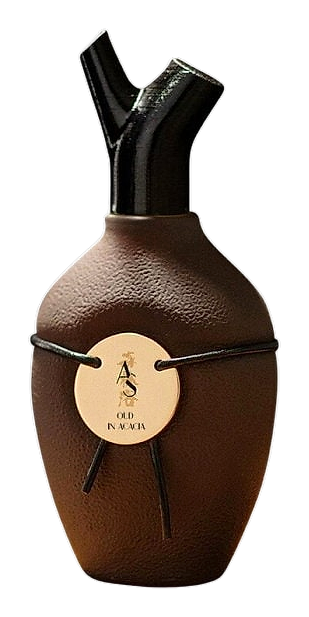
Oud in Acacia arrived in 2020 from perfumer Yves Cassar. The composition gathers some of the most expressive materials in the perfumer's palette and asks them to behave differently than they usually do. Rose, immortelle, and oud are ingredients that tend to dominate whatever composition they enter, each one loud enough to carry a fragrance on its own. Here, they have been arranged so that none of them takes the lead. Instead, they lean against each other, trading volume for something more restrained and more layered. The result is a fragrance that feels deliberate in its quietness, built around contrast rather than spectacle, and the balance it strikes between richness and restraint is what gives it its particular weight.
Oud in Acacia goes a quieter route than most rose-oud compositions. The immortelle takes on a structural role here, holding the composition together with a sweetness that suggests maple and dried herbs rather than anything confectionary. That sweetness lifts the rose without flattening it, keeping the floral upright and alive. Carrot seed and orris sit in the middle of the composition, dusty and powdery, acting as a bridge between the floral top and the resinous base.
The evolution
On skin, the opening is dense and waxy, with orange blossom and rose pressed so tightly together that it briefly recalls the heavier florals of an earlier era of perfumery. The immortelle surfaces soon after, and the whole composition pivots. What began as a pure floral turns warm, syrupy, and faintly medicinal, carrying the atmosphere of a bakery at dusk, all warm sugar and cooling ovens. As the hours pass, the oud finally makes its presence known, but it arrives as smoke rather than as anything animalic or barnyard. It threads through the rose instead of competing with it, lending a quiet resinous backbone to the sweetness. The cedar and vanilla settle underneath and stay there, anchoring the composition in dry wood and soft resin.
Cultural impact
Oud in Acacia sits in an unusual corner of the rose-oud conversation. Most compositions in this family aim for volume and impact, built around bold florals and assertive resins. This one threads a quieter needle, finding a middle ground between the louder Middle Eastern houses and the more restrained European niche tradition. The wearers who gravitate toward it tend to want the rose-oud character without the volume, and they tend to find it.