The Story
Why it exists.
The beginning
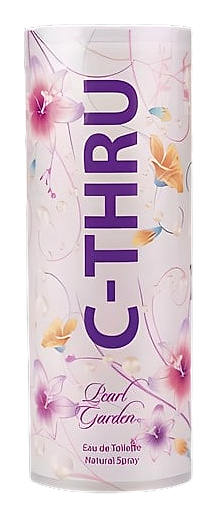
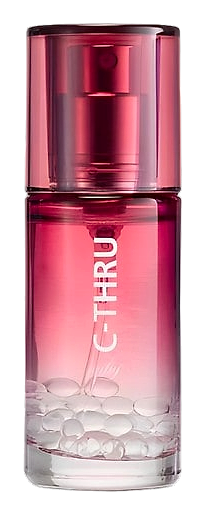
Ruby was part of the C-Thru trio launched in 2008, a collaboration between Sarantis and Estée Lauder. Named after gems, Blue Opal, Ruby, Purple Diamond, the collection marked something notable: the first time Estée Lauder entered the mass-market space. IFF handled the Ruby formulation specifically. The brand copy describes the fragrance directly: passionate, strong, full of self-esteem. That's the brief. That's what the scent had to deliver. The positioning was deliberate. The execution, precise.
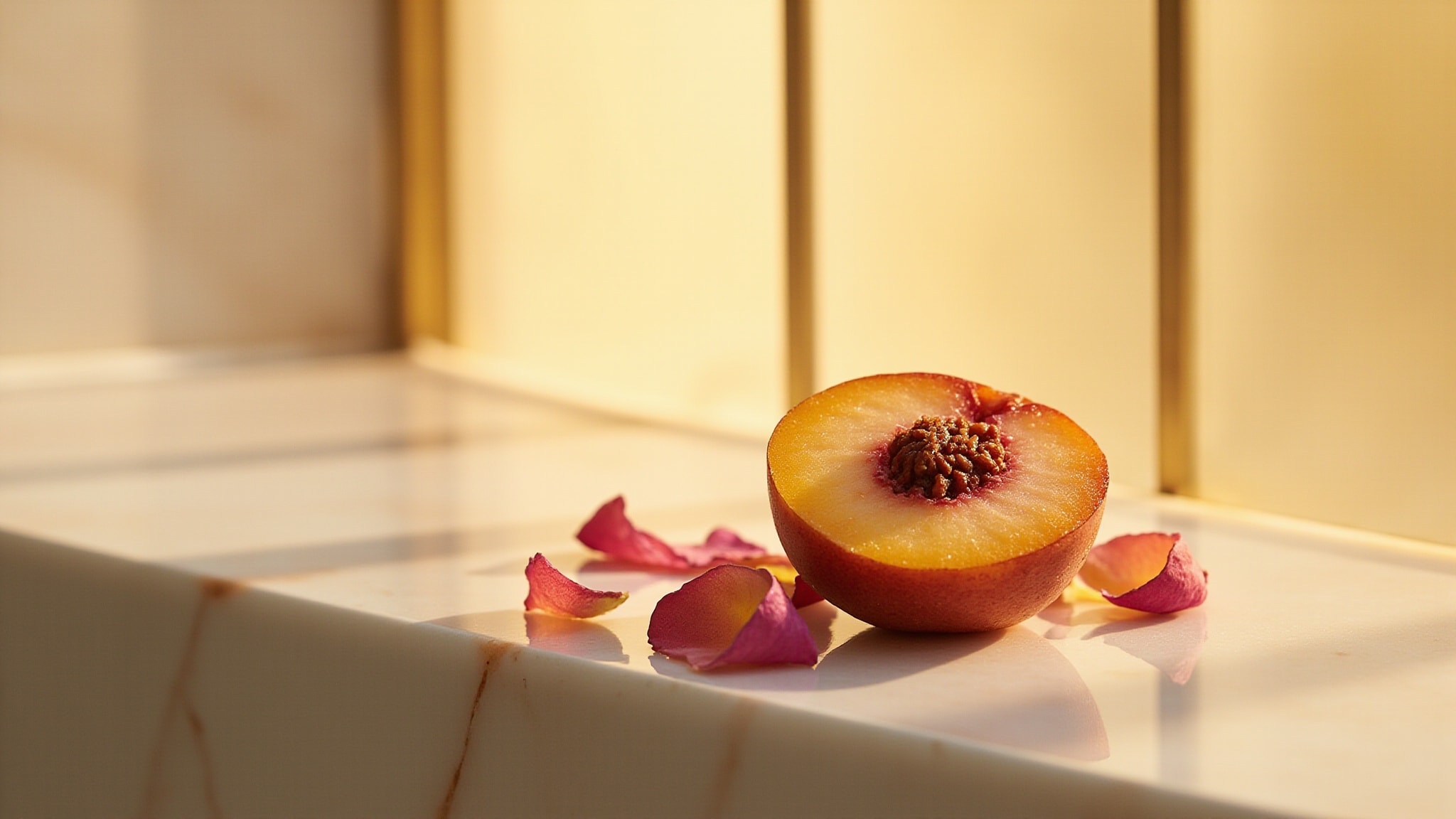
The structure is deliberately simple. Three bright top notes, bergamot, melon, peach, give the opening its energy. The citrus zing of bergamot lifts the sweetness of the melon and peach, creating an opening that feels both refreshing and inviting. Three florals in the heart, freesia, raspberry, rose, carry the personality. The rose doesn't merely support; it anchors the composition with a creamy, assertive presence that gives the heart its weight. One base note: sandalwood. Just a clear arc from fruit to flower to warmth.
The evolution
First hour: all fruit, all the time. Peach and melon collide with bergamot's citrus kick. It's effervescent. Maybe too sweet for some noses. Then the raspberry and freesia arrive, and the composition shifts. The rose doesn't bloom so much as assert itself, creamy, present, undeniably feminine. By hour two, the sandalwood base begins its work. The sweetness recedes. What remains is warm, intimate, close to skin. The drydown is softer than the opening promises, which either charms you or disappoints. Depends what you were expecting.
Cultural impact
C-Thru Ruby entered a crowded mass-market space in 2008 with a clear proposition: you don't need to spend designer money to smell like you mean it. The gem-themed trio targeted younger women moving beyond drugstore fragrances but not yet in luxury territory. Ruby specifically positioned itself on confidence, not subtlety, not elegance, but the kind of presence that walks into a room first. Whether it succeeded is a matter of taste. But the intent was never ambiguous.