The Story
Why it exists.
The beginning
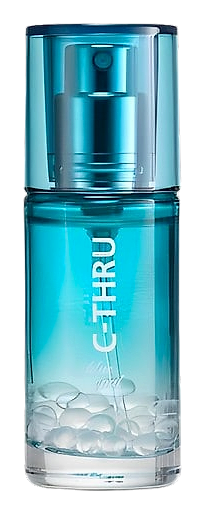
In 2008, Sarantis partnered with Estée Lauder and the Sarantis Group to create a trio of fragrances named after gems, Blue Opal, Ruby, and Purple Diamond. It was a notable move: one of the world's most prominent luxury beauty groups investing directly in mass-market scent. Blue Opal went to DSM-Firmenich, the Swiss fragrance house, to translate the brief. Spirituality and balance were the guiding words. Watermelon and red berries would open the composition. Lily and rose would form the heart. Leather would anchor it all, an unusual choice for a fruity aquatic, but that's where the balance lived.
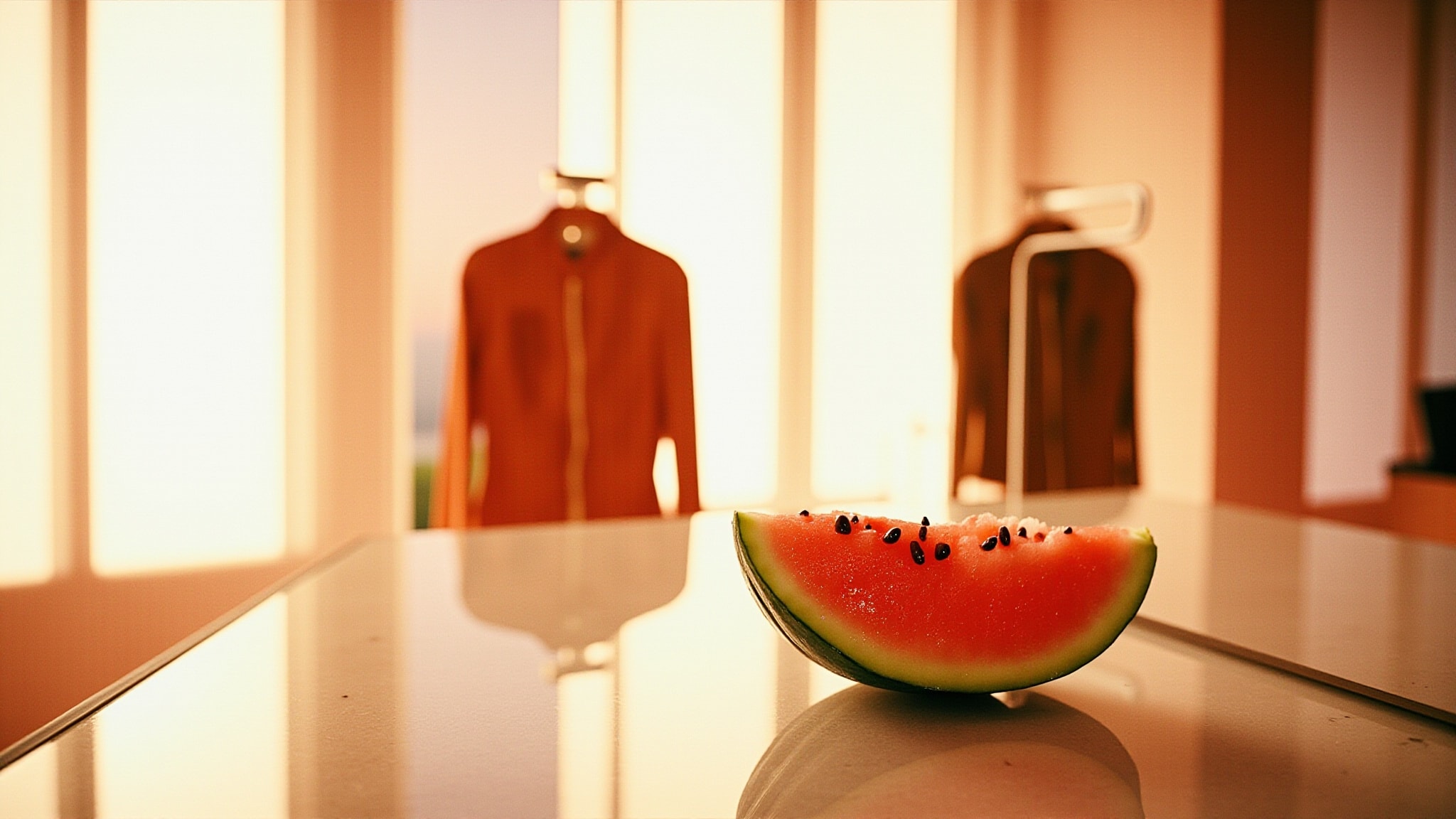
The watermelon note is doing something clever here. It's not marine or ozonic in the traditional sense, no synthetic sea breeze accord. Instead, it's watery and cool in a literal way, like biting into cold fruit on a hot day. Red berries add a faint tartness that keeps the sweetness honest. The surprise is the leather appearing in the base. Not overwhelming, this isn't a leather fragrance with fruit added. But present, warm, and just animalic enough to keep the florals from floating away entirely. It's the note that makes Blue Opal remember itself.
The evolution
The opening hits within seconds. Watermelon and red berries give an immediate cool sensation, like stepping out of water into warm air. The berries have a slight tartness that keeps things grounded. Within 30 minutes, the lily takes over, and the rose arrives to soften everything. The florals don't fight the fruit; they absorb it. After two hours, the leather begins to assert itself. Not harsh, not smoky, warm, soft, close. By the fourth hour, you're in the drydown. Watermelon is gone. The florals have faded to a whisper. The leather stays. This is the part wearers remember.
Cultural impact
C-Thru Blue Opal arrived in 2008 during a period when mass-market fragrances were expanding beyond traditional florals into fruity aquatics. The fragrance emerged as part of a strategic push by Sarantis Group and Estée Lauder to capture younger consumers seeking accessible luxury. Its unique watermelon and leather combination reflected the era's experimental spirit. By targeting first-time fragrance buyers with an affordable yet distinctive scent, Blue Opal democratized niche perfume experiences. The gem-themed trio marked a turning point in how prestige brands approached mass-market positioning, blending playful naming conventions with sophisticated blending techniques.