The Story
Why it exists.
The beginning
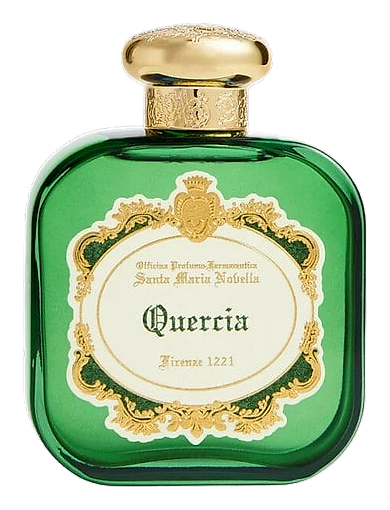
Quercia is Italian for oak. The name alone carries weight, centuries of shade, roots that outlast the buildings above them. Santa Maria Novella drew inspiration from the oak at the Medicean Villa di Castello, that particular tree whose canopy filters the Florentine light into something softer, more considered. The I Giardini Medicei collection this fragrance belongs to is an homage to that landscape: the gardens Catherine de' Medici would have walked through on her way to court, now a UNESCO site preserved in the city's memory. Quercia doesn't try to recreate the tree itself. It recreates what the tree gives: a place to stand when the city heat becomes too much.
What makes this work is the counterweight. Oak on its own risks heaviness, that dense, brooding quality that feels like homework. But the lavender cuts through before the earth can settle. Vetiver and patchouli come next, and they're not there to deepen the weight. They're there to add warmth to the wood, make it feel inhabited rather than abandoned. The result is a woody that breathes. The drydown is where the oak finally has room to be what it is: a material that's been standing since before the building was finished, now worn smooth by time and weather. This is what centuries smell like when they're not trying to impress you.
The evolution
The opening hits with lavender's clean cut, herbal without being sharp, Mediterranean without being aggressive. Thirty minutes in, the vetiver arrives, earthy and cool, followed by patchouli's warmth. The handoff isn't dramatic. It's a conversation. By hour two, the oak takes over, and the composition shifts from green to wood, from fresh to grounded. The sillage stays moderate throughout, this isn't a fragrance that fills a room so much as it lingers in it. At hour six, the oak is still there, dry and close to the skin. Some wearers report catching it the next morning, a faint warmth on the collar that makes you wonder how it got there. On skin that runs warm, the patchouli amplifies. On cooler skin, the lavender lingers longer than expected. Either way, eight hours is the floor, not the ceiling.
Cultural impact
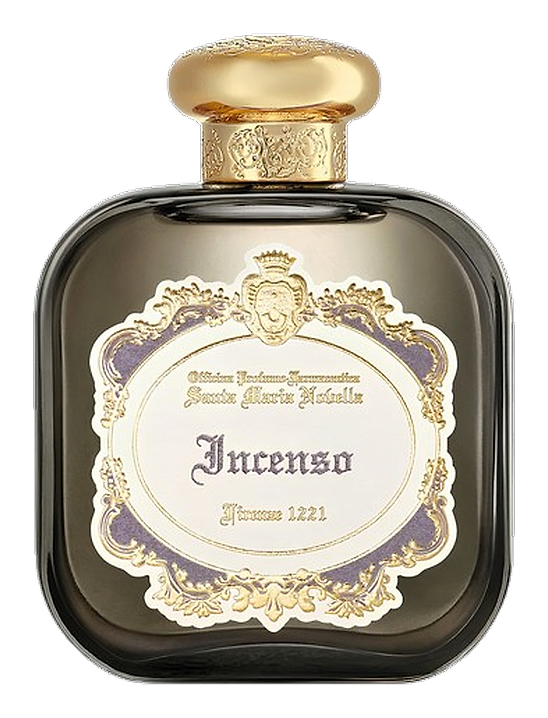
Santa Maria Novella's pharmacy in Florence has operated continuously since 1221, making it one of the oldest continuously operating pharmacies in the world. The Quercia fragrance draws from this deep well of botanical knowledge, honoring the oak tree at Villa di Castello in the Medici gardens, a living landmark that has witnessed six centuries of Florentine history. The 2024 release marks the house's continued engagement with their archival research methods, working from 14th-century workshop logs that document extraction techniques passed down through generations of apothecaries. This approach places Quercia within a lineage of botanical perfumery that predates modern fragrance industry conventions by centuries.