The Story
Why it exists.
The beginning
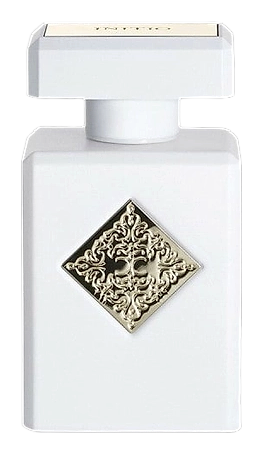
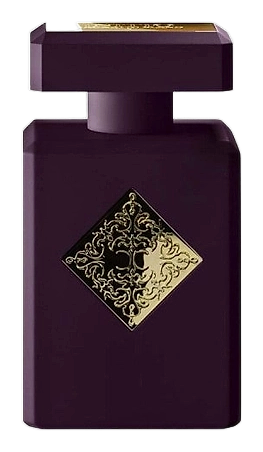
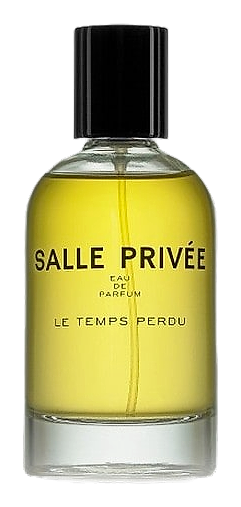
Le Temps Perdu means 'the lost time', a name that points toward the way certain scents can feel like they belong to memory itself. A fragrance built around the idea that time doesn't simply pass, it accumulates, waiting in the body for the right sensory trigger to unlock it. Not a nostalgic smell, not a literal one. Something abstract and warm that settles into skin and stays, becoming part of the wearer's own story over time. The kind of fragrance that, with wear, reveals itself as a quiet companion rather than a statement piece.
The composition relies almost entirely on modern aromatic molecules, ambrette seed absolute, ambroxan, Iso E Super, materials that behave differently from traditional naturals. They don't bloom or transform dramatically. Instead, they build a kind of olfactory skin, a warm layer that reads as closeness rather than announcement. The ambrette brings a nutty, slightly sweet musk quality; ambroxan contributes depth and a subtle animalic warmth; Iso E Super adds warmth and cedar without actually containing cedar.
The evolution
It opens warm. Ambrette arriving first, soft and slightly nutty, with none of the sharpness that usually announces a top note. For the first thirty minutes, you might check your wrist because it seems to have already disappeared, but it hasn't. The sillage is moderate. What follows is a long, quiet heart: ambroxan and Iso E Super taking over, building a skin-like warmth that doesn't project so much as hover. The animalic note some wearers mention isn't aggressive, it's the smell of warmth itself, barely there. By hour three, darker woods emerge: a dry, resinous base that keeps everything grounded.
Cultural impact
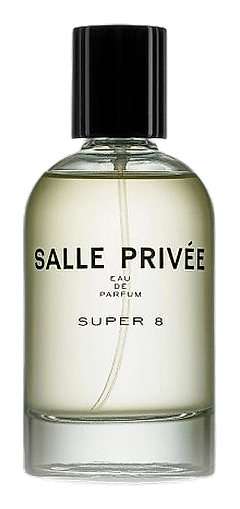
Le Temps Perdu arrived alongside other Salle Privée releases, sharing the same modernist restraint. Where niche perfumery often leans into abundance and complexity, this fragrance makes a case for subtraction. Its synthetic-musky character sets it apart from more traditional fragrance approaches, giving it a different place in the market. The brand's design-forward positioning appeals to people who approach fragrance as they would a piece of design or architecture, valuing considered composition over historical deference.