The Story
Why it exists.
The beginning
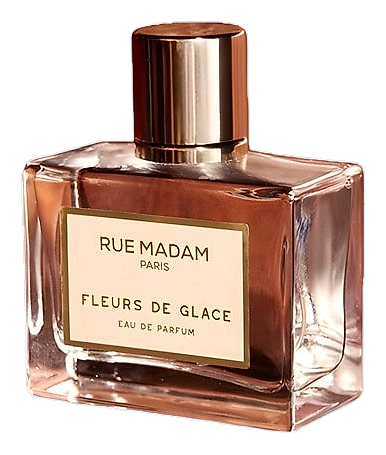
Fleurs De Glace arrived in 2023. The name translates to flowers of ice, and that paradox is the entire brief. Frozen florals are fragile, temporary things. How do you bottle something that's already slipping away? The fragrance attempts to capture that fleeting quality, translating the ephemeral nature of frost-kissed petals into scent form. It walks the line between delicate and enduring, between presence and absence.
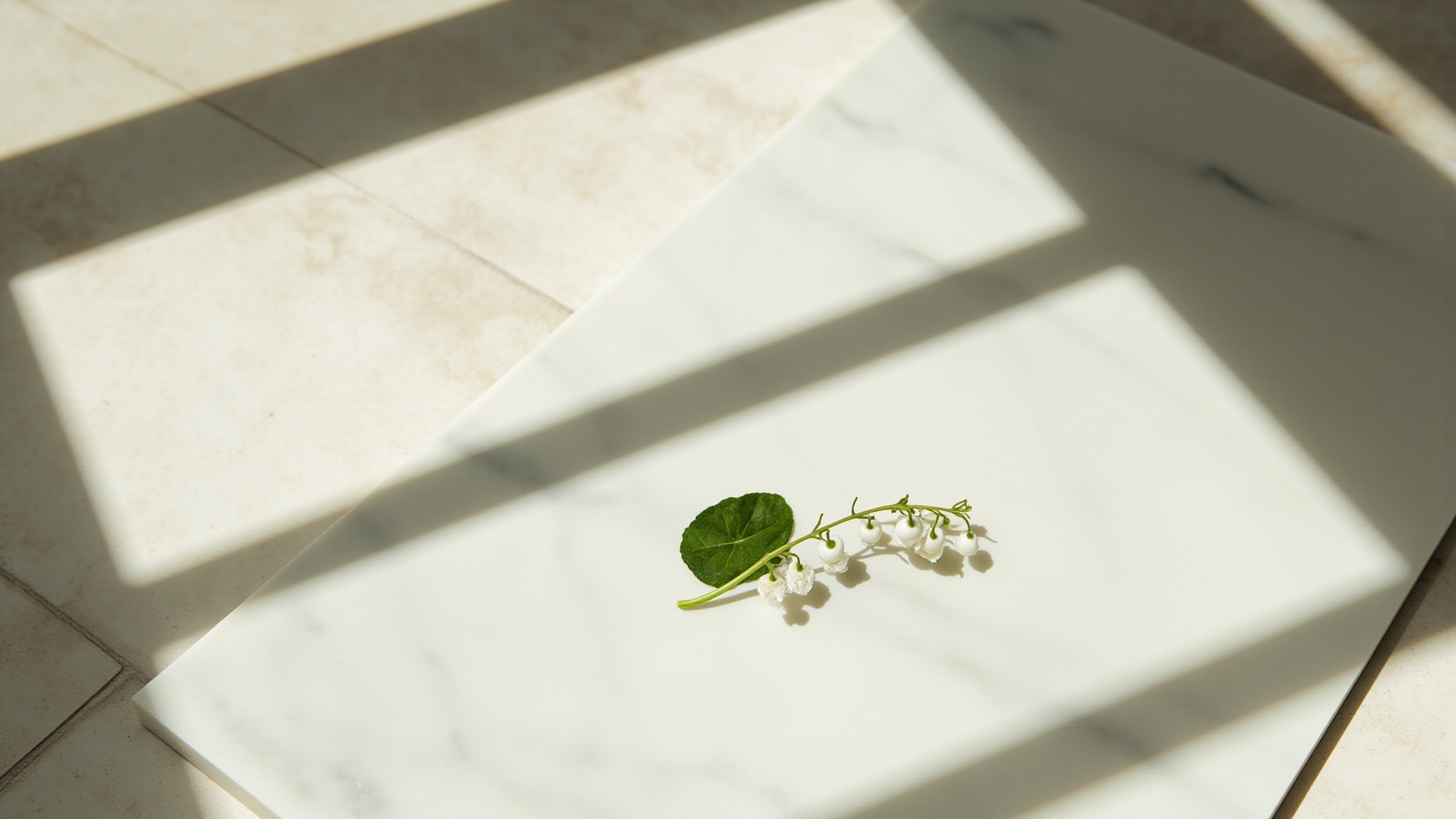
The answer lies in the unusual pairing of lily of the valley and tomato leaf. One offers the cool, almost metallic freshness of morning dew on petals, a scent that reads as clean but carries an undercurrent of green bitterness. The other brings an earthy, slightly waxy vegetable note that grounds the composition in something tactile and real. Together, they create a tension between the delicate and the organic that defines the fragrance's character. Neither note dominates. Both refuse to disappear.
The evolution
The opening hits sharp and immediate, a burst of green, cool, almost mentholated freshness. Lily of the valley arrives within minutes, lending its signature scent of petrichor and clean laundry. Tomato leaf lingers beneath, keeping things grounded. In the heart phase, the composition softens. The florals become more delicate, the green more textured. There's a slight waxiness to the tomato leaf that surfaces here, almost like the skin of a ripe fruit. The drydown is where Fleurs De Glace shows its restraint. The florals fade first, leaving only the green, slightly bitter edge of the tomato leaf. This lingers the longest, a cool, mineral, almost stem-like quality that stays close to the skin. The sillage registers as strong, meaning it does announce itself, but with quiet insistence rather than volume.
Cultural impact
Fleurs De Glace offers a green, aromatic composition that sidesteps the usual citrus or marine routes to freshness. The tomato leaf note is unusual enough to invite conversation, yet the overall composition stays within the bounds of daily wearability. Community response suggests strong sillage and a demographic split that hints at broad appeal across the gender spectrum. The longevity data shows a fairly even split between moderate and long-lasting wear, giving potential wearers flexibility in how they experience the fragrance over time.