The Story
Why it exists.
The beginning
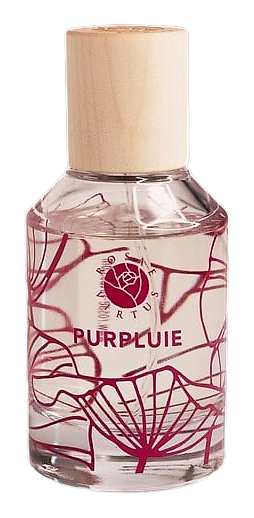
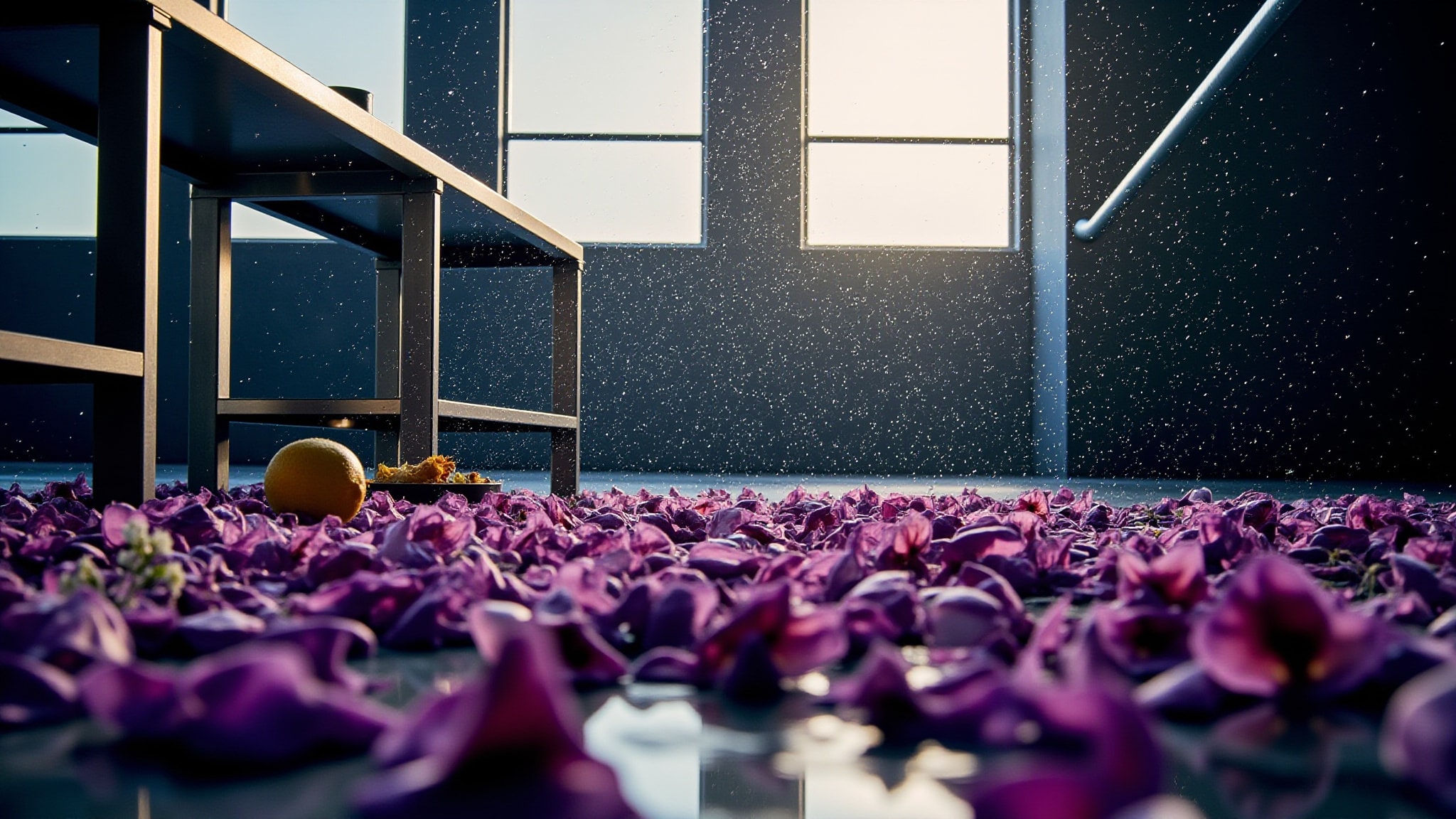
Purpluie arrived in 2025 as Rosae Virtus stepped beyond their defining rose collection. The house built its identity on seasonal Rosa expressions, four fragrances mapped to the calendar, but the 2025 expansion introduced two new directions. Purpluie takes its name from the interplay of purple and rain, evoking the chromatic shift of autumn leaves against wet ground. The botanical foundation runs through the entire structure: cool green notes, translucent florals, and an unexpected leather-suede depth that anchors what could have remained airy. The name itself suggests change, the moment when color deepens, pigments saturate, and what was bright becomes something more complex.
The note structure is unusual because it refuses to choose between brightness and depth. Green Notes, bergamot, and lemon open with genuine crispness, almost cold, the kind of freshness that suggests morning in a botanical garden. But the heart layer is where Purpluie separates itself from straightforward green-citrus territory. Jasmine and lily of the valley arrive softly, not as a declaration but as warmth building underneath. The leather and suede don't arrive from nowhere, they're part of the full pyramid from the beginning, waiting beneath the florals. By the time oakmoss and patchouli anchor the base, the fragrance has completed a shift from cool observation to something worn and personal.
The evolution
The opening announces green notes and citrus with precision, bergamot, lemon, pink pepper, and white woods arriving together in a crisp, almost cold combination. The impression is clean and botanical, the kind of freshness that reads as natural rather than constructed. This phase lasts well into the first hour without significant change, the citrus staying sharp and the green notes maintaining their cool character. White florals begin asserting themselves at the 45-minute mark, jasmine and lily of the valley emerging alongside the suede. The florals don't overpower, they're translucent, almost dewy, kept in check by the leather accord that has been building quietly underneath. This is the fragrance's most interesting phase: the tension between brightness and depth, florals and suede, garden and skin. By the third hour, the leather has fully arrived. Oakmoss and patchouli ground the composition while ambergris and tonka bean provide warmth and a slightly salty, creamy depth.
Cultural impact
Purpluie arrived at a moment when niche perfumery was recalibrating its relationship with transparency. Rosae Virtus, anchored in its Colli Euganei botanical heritage, built the fragrance around a philosophy of visible provenance, each material traceable to source, each seasonal harvest informing composition. This stood in contrast to houses relying on abstraction and auteur mystique. The white floral-leather construction also bucked the trend toward maximalist releases flooding the market, offering instead a study in restraint that critics and consumers found increasingly rare. Enthusiasts who gravitated toward Purpluie did so not for novelty but for coherence: a fragrance that felt both deliberate and lived-in, botanical yet composed.