
The Story
Why it exists.
The beginning
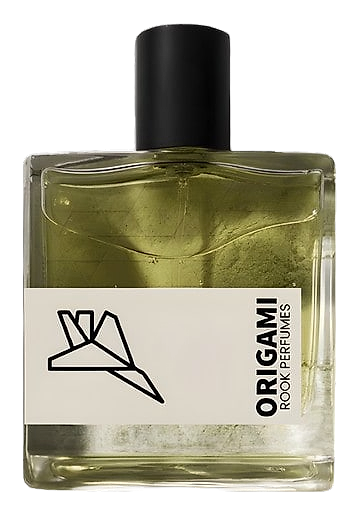
RSX: Origami began as a commission. Nadeem Crowe created it for an actress and dear friend who was in rehearsals for a play called Wildfire Road, a story about airline passengers taking a flight to Japan where, predictably, nothing goes smoothly. She needed a fragrance to wear on stage that could hold three ideas at once: the composure of the air stewardess she was playing, the smoke of the wildfire that upends everything, and the destination itself, Japan. Three briefs that don't obviously belong together. The solution wasn't a literal translation of any of them, it was the space between. Smoke and ceremony, folded into something wearable.
Chinese cedar forms the architectural backbone here. It's dry, slightly camphoraceous, and undeniably Japanese in character. Jasmine sits at the heart, not the romantic, sweet kind, but something more grounded. Indolic. Almost animal. Matcha bridges these two with its bitter, vegetal precision, translating the idea of Japanese tea ceremony into scent rather than replicating it literally. The perfumer's choice to work with wood smoke as an accent rather than a declaration, that's restraint as craft. It keeps the jasmine from cloying and the cedar from reading as mere lumber. What emerges is quieter than a smoky fragrance usually aspires to be, and more structured than a floral.
The evolution
The opening is smoke and green tea in almost equal measure, wood smoke rising, matcha bitter and bright underneath. It doesn't fight. The smoke reads as aesthetic, almost mild, rather than campfire aggressive. Ten minutes in, jasmine arrives. Not soft. There's an indolic weight to it that keeps the smoke honest instead of letting it float into abstraction. White musk smooths the transition. Chinese cedar builds underneath, dry and architectural. By hour two, the jasmine and smoke settle into something shared, they've worked out their argument and found a middle ground. The drydown is cedar-dominant, with white musk creating a soft powdery cloud around it. Smoke fades to memory. On skin, expect 4-6 hours of presence, though the cedar and powder can linger into the next morning on fabric.
Cultural impact
Origami exists because a performer needed something specific for the stage, but the fragrance found a wider audience drawn to its unusual architecture. Smoke used as restraint rather than statement. Tea as texture, not theme. The theatrical origin gives it a natural audience among performers and those drawn to fragrance as narrative. It's niche without being difficult, distinctive without being alien. The kind of fragrance that earns descriptions like 'the one where the smoke behaves.'