The Story
Why it exists.
The beginning
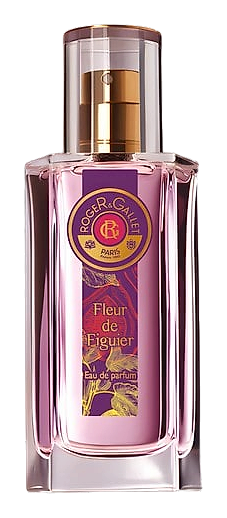
Francis Kurkdjian joined Roger & Gallet in 2015 with a clear mandate: take the Fleur de Figuier that had arrived as an EDT two years earlier and give it more weight. The 2013 version had established the brief, a Mediterranean fig that wasn't just green leaves and watery fruit, but something with real presence. Kurkdjian understood the assignment. The EDP would be richer, more concentrated, the fig's milky sweetness amplified without tipping into confection. What he delivered was a fragrance that smelled like the moment between afternoon and evening, when the sun drops but the warmth lingers.
The fig note is the whole point, and Kurkdjian built it in layers. Fig nectar opens with a sweetness that reads almost candied, not jam, not syrup, but the clean intensity of the fruit itself. Fig blossom adds a floral undertone that keeps it from being too literal. Fig leaf grounds the top with a green edge that anchors the composition before the heart takes over. Then patchouli and violet wood arrive, adding a velvety darkness that transforms the composition from fruity to something with actual depth.
The evolution
The opening arrives clean and immediate, fig nectar with a brightness that hits before you can second-guess it. Within minutes the green leaf note threads through, keeping the sweetness honest. Then the handoff: the fruitiness recedes and patchouli arrives, bringing its earthy, slightly bitter edge alongside violet wood. The combination is unexpectedly velvety, more silk than soil. What follows is a slow fade rather than a dramatic shift. The fig note softens, becoming less distinct fruit and more general warmth. Musk rises to meet it, creating a skin-close drydown that lingers without projecting.
Cultural impact
Fig fragrances typically lean into green, vegetal territory, emphasizing the leaf and stem over the fruit itself. Fleur de Figuier took a different angle: sweet, creamy, almost lactonic fig with a patchouli drydown that gave it staying power. The result was a fragrance that offered something distinct from the typical fig scent profile, one that leaned into the fruit's softer, rounder qualities rather than its verdant ones.