The Story
Why it exists.
The beginning
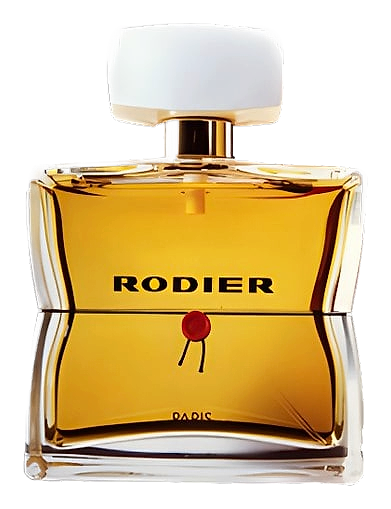
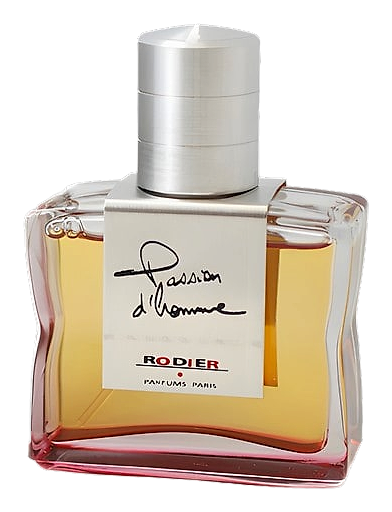
Passion d'Homme arrived in 1999 from Rodier, a French fashion house whose perfume work carried the same direct, considered tone found in its clothing. Olivier Riquelme composed it as a men's fragrance with a clear center: coffee, supported by woody notes and framed by warm, spicy, smoky accords. There is no elaborate origin story attached to the name. Instead, the composition speaks in materials and atmosphere, placing a familiar roasted note inside a more formal, woody frame.
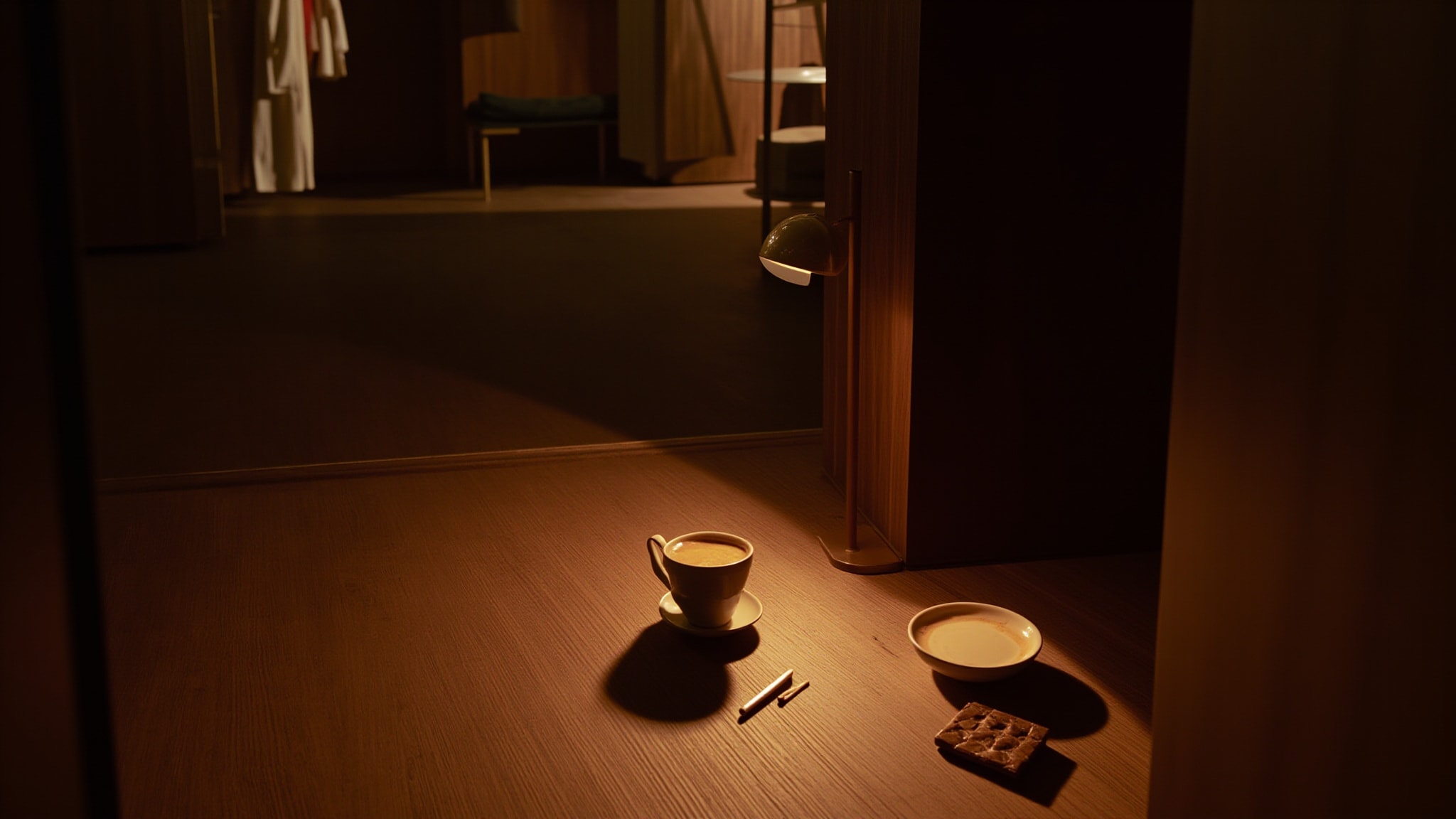
The combination matters because coffee can make a fragrance feel casual, sweet, or immediately breakfast-like. Here, its roasted depth is set beside wood and the broader language of warm spice and smoke. That contrast gives the scent a little distance from the obvious gourmand lane. It feels less like a café scent and more like the last drink after dinner, when the room is quieter and the conversation has stopped performing.
The evolution
The first impression is dark and warm, with coffee establishing a rounded, roasted center. As it settles, the woody notes take over, giving the sweetness a drier, more tailored frame. The warm and spicy side adds a quiet flicker of movement, while the smoky accord keeps the composition from becoming too neat or innocent. On skin, the arc is measured rather than dramatic: a close, polished presence that should remain noticeable for roughly 4-6 hours, then soften into a woody coffee trace. It leaves the impression of a well-kept coat, a warm evening, and a scent that knows when to lower its voice.
Cultural impact
Passion d'Homme arrived in 1999 during a period when men's fragrances were openly exploring gourmand and roasted notes, moving beyond the fresh-aquatic wave of the late 1990s. By pairing coffee with a woody-spicy backbone, Rodier contributed a quieter, more introspective register to that conversation, one that favored warmth and texture over brightness. The scent now sits within an active collector conversation around late-90s masculine orientals, repeatedly name-checked by enthusiasts who value its restrained sweetness. Its persistence in niche databases and secondhand demand suggests a small but loyal following rather than mainstream ubiquity, and it remains a recognizable touchstone for fans of darker coffee-led compositions.