




Heritage
A house, in its own words
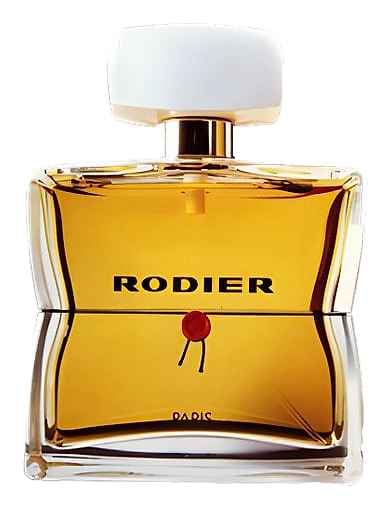
Rodier traces its origins to Paris in 1852, when Auguste Rodier established the house with a focus on exceptional weaving techniques. The Rodier family's contribution to textile craftsmanship positioned the house within France's established luxury fashion sector. Auguste Rodier's innovations in fabric production reportedly gained recognition for their quality and technical achievement, though documentation of specific accolades or industry recognition during his tenure remains limited in accessible sources. The house operated as a respected fashion manufacturer throughout the late nineteenth and twentieth centuries, building a client base appreciative of its craftsmanship traditions before considering expansion into related creative territories. The decision to enter perfumery in the late 1990s reflected a common trajectory among heritage fashion houses seeking to extend their brand identity beyond original product categories. Rodier's 1998 fragrance launch marked the first occasion the house presented its aesthetic values through the medium of scent, a strategic move that placed the brand among European fashion houses with established or emerging fragrance divisions. The house's consistent identity across fashion and fragrance collections suggests a deliberate effort to maintain continuity in design philosophy, though public archival documentation of this transition remains sparse. Rodier's approach to perfumery appears to have prioritized accessibility and wearability over experimental or avant-garde composition. The house's fragrance releases from 1998 to 2008 demonstrate a preference for approachable scent profiles designed to appeal to a broad audience rather than exclusively niche or specialist fragrance enthusiasts. This positioning aligned with the brand's broader fashion identity, which historically served customers seeking quality without ostentatious display. The naming conventions for Rodier fragrances reflect a straightforward approach, with the original Rodier serving as the flagship and subsequent releases identified through descriptive French terminology indicating gender designation, intensity variations, or thematic inspiration. The presence of gourmand-inspired compositions such as Gourmandise De Rodier suggests the house embraced popular fragrance trends of the late 1990s and early 2000s, when sweet, edible accords dominated much of the mass luxury market. Rather than positioning fragrances as collectible rarities or artistic statements, Rodier appears to have conceived its scent line as functional accessories complementing the clothing and lifestyle the brand represented.