
The Story
Why it exists.
The beginning
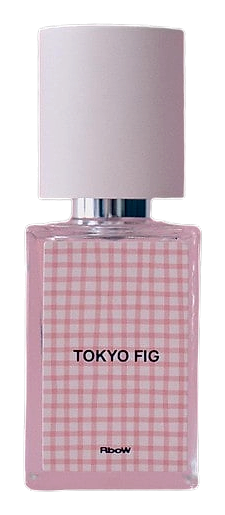
RboW has a habit of naming scents after places that exist between two worlds. Tokyo fits that pattern perfectly, the megalopolis where the air carries unexpected complexity. Tokyo Fig began as a study in contrast: the green, slightly bitter character of fig against the bright pop of mandarin, grounded by the mineral lift of salt. The Korean house approaches scent as a way to capture something specific and personal, a quality that listeners recognize when they encounter it.
The inclusion of salt, that mineral, almost oceanic note, transforms fig from something soft into something with edges. Mandarin adds a citrus brightness that reads more urban than tropical. The jasmine in the heart doesn't overwhelm; it softens the composition into something powdery and intimate. What results is a fragrance that moves beyond the expected, shifting fig into territory that feels both familiar and surprising.
The evolution
The opening hits green first, fig leaf, not fig fruit. There's mandarin's brightness cutting through, and underneath it all, salt. It smells like the moment before you bite into something fresh. The green softens over time as the composition evolves. Jasmine arrives next, but it's not loud jasmine. It's jasmine that knows how to be quiet. The sandalwood adds warmth without weight, though some noses might detect a slight tartness alongside it. By the time the fragrance settles, you're in the drydown: ambroxan and white musk, soft and close to the skin. Moss adds an earthy undertone that prevents it from going completely clean. The sillage remains restrained, staying near the wearer rather than announcing itself to the room.
Cultural impact
RboW approaches fragrance as a conceptual medium, collectors find depth in what's deliberately limited. The brand balances bright, citrus-forward compositions with quieter woody statements. This range demonstrates an understanding of contrast and a willingness to explore unexpected pairings.